
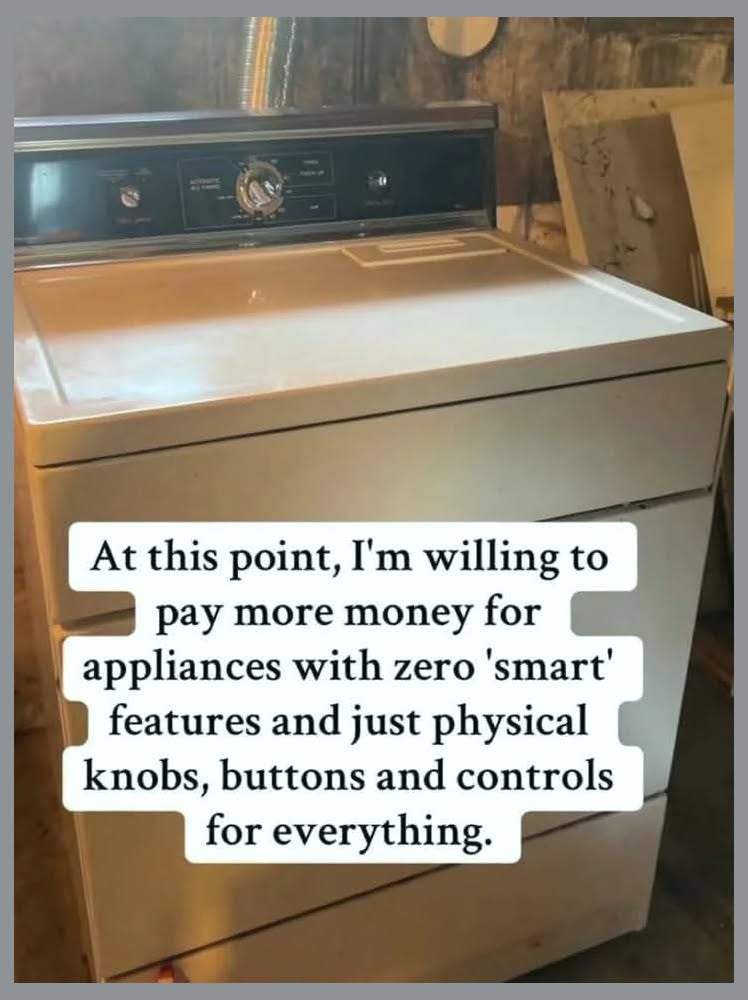
Modern home appliances are packed with Wi-Fi connectivity, digital touchscreens, and automated smart cycles. While smart tech promises convenience and remote monitoring, many homeowners are feeling appliance fatigue, longing for classic machines built with simple dials, sturdy buttons, and mechanical controls.
The preference for straightforward appliances isn’t just nostalgia—it comes down to reliability, repairability, and long-term cost.
In this appliance buying guide, we will analyze why mechanical appliances remain popular, evaluate smart feature drawbacks, review total cost of ownership, and provide buying tips for reliable home appliances.
The Appeal of Mechanical Appliances
Classic mechanical controls rely on analog switches and electro-mechanical timers rather than computerized circuit boards.
1. Superior Repairability and Parts Availability
Mechanical switches and dials are simple components that local technicians can quickly diagnose and fix using affordable replacement parts.
2. Physical Feedback and Tactile Usability
Knobs and physical switches offer clear tactile feedback, allowing users to start cycles instantly without navigating digital menus, touchscreens, or phone apps.
3. Resistance to Power Surges
Analogue appliances feature fewer microprocessors, making them far less susceptible to damage from electrical power surges or voltage drops.
Downsides of Smart Appliance Features
Adding complex digital electronics to everyday appliances introduces new vulnerability points.
- Computer Control Board Failures: Digital motherboards and touch panels are often the first components to fail in modern appliances, requiring expensive professional board replacements.
- Software and Connectivity Bugs: Wi-Fi modules, firmware updates, and companion app disconnections can freeze appliance controls unexpectedly.
- Shorter Product Lifespans: Complex micro-electronics combined with moist, high-vibration environments (like inside washing machines) often reduce overall machine longevity compared to vintage units.
Financial Breakdown: Total Cost of Ownership
Evaluating long-term costs highlights why simple appliances often save money over time.
- Initial Purchase Price: Basic commercial-grade or analogue-style units often carry a lower upfront price than high-end smart models loaded with LCD displays.
- Maintenance Costs: Replacing a mechanical timer knob costs around $20 to $50, whereas replacing a proprietary digital control motherboard can easily exceed $250 to $400 in parts and labor.
Practical Tips for Buying Reliable Appliances
- Look into Commercial or Heavy-Duty Lines: Commercial-grade laundry units designed for laundromats or rental units prioritize simple mechanical controls and durability.
- Protect Smart Units with Surge Protectors: If buying digital appliances, install whole-home or individual outlet surge protectors to shield sensitive control boards.
- Keep It Simple: Choose models with fewer digital bells and whistles to minimize potential points of failure over the machine’s lifetime.
Conclusion
While smart appliances offer modern conveniences, traditional mechanical machines deliver unmatched reliability, simpler repair options, and long-term value. Choosing simpler appliances with physical dials and controls keeps household chores straightforward and maintenance hassle-free.
Frequently Asked Questions (FAQ)
Are mechanical appliances still being manufactured today?
Yes. Several brands continue to manufacture basic mechanical or commercial-grade washers, dryers, and refrigerators featuring physical control knobs for long-lasting durability.
Why do smart appliance control boards fail so often?
Control boards in appliances are exposed to constant heat, humidity, and vibrations. Over time, these environmental factors cause solder joints to crack and electronic components to burn out.
Do smart features really save energy?
Smart appliances can optimize energy use by running cycles during off-peak electricity hours, but basic mechanical units operate with similar power efficiency during standard washing cycles.
