
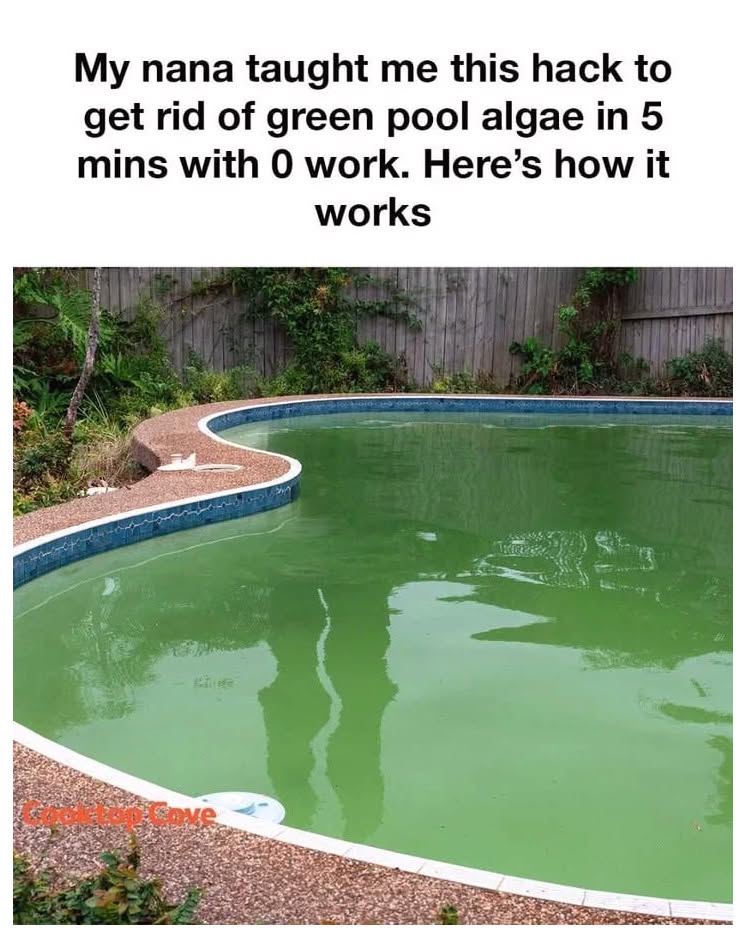
A green, cloudy pool is one of the most frustrating challenges pool owners face during warm months. Viral social media posts often promise quick shortcuts, claiming you can eliminate green pool algae in five minutes with zero effort using household tricks.
While sudden chemical treatments can start working quickly, clearing a pool fully requires proper water chemistry balancing, shock treatments, and filtration over 24 to 48 hours rather than an instantaneous overnight miracle.
In this comprehensive pool maintenance guide, we will examine how to clear green pool algae efficiently, break down effective treatment steps, analyze maintenance costs, and provide essential safety tips for pristine pool water.
The Science of Green Pool Algae
Understanding what causes algae blooms ensures long-term pool clarity.
1. Why Pool Water Turns Green
Green algae (Chlorophyta) thrive when free chlorine levels drop below optimal thresholds (typically below 1 to 3 ppm), allowing microscopic spores to multiply rapidly in warm weather and sunlight.
2. The 5-Minute Myth vs. Biological Reality
- The Claim: Adding a quick household remedy removes green algae in 5 minutes.
- The Reality: While pouring liquid pool shock or algaecide takes only minutes of effort, breaking down algae cell walls, oxidizing organic debris, and filtering dead algae out of the water requires active circulation for at least 12 to 24 hours.
Step-by-Step Guide to Clearing Green Pool Water
Follow these proven steps to restore clear, safe swimming water:
1. Test and Adjust pH and Alkalinity
Before shocking the pool, adjust pH levels to between 7.2 and 7.4. High pH lowers chlorine efficiency, preventing shock treatments from killing algae effectively.
2. Shock the Pool (Superchlorination)
Add a high dose of calcium hypochlorite or liquid pool shock. Severe green algae blooms often require double or triple the standard dosage to reach break-point chlorination.
3. Run the Filter Continuously
Keep the pool pump and filtration system running 24 hours a day until the water clears. Backwash or clean filter cartridges regularly to clear trapped dead algae.
4. Brush Walls and Vacuum
Brush pool walls and floor thoroughly to disrupt algae clinging to surfaces, then vacuum dead white/gray sediment directly to waste or filter.
Financial and Budget Considerations for Pool Care
Managing pool water proactive prevents expensive chemical overhauls.
- Chemical Treatment Costs: Standard pool shock treatment supplies cost $20 to $50 per application, compared to hundreds of dollars spent draining and refilling a severely neglected pool.
- Filter Maintenance: Keeping filters clean reduces strain on pool pump motors, extending equipment life and lowering monthly electricity costs.
Practical Tips for Preventing Algae Growth
- Maintain Consistent Free Chlorine: Test water weekly and keep free chlorine levels between 1.0 and 3.0 ppm at all times.
- Monitor Cyanuric Acid (Stabilizer): Maintain cyanuric acid levels between 30 and 50 ppm to protect chlorine from UV breakdown while preventing “chlorine lock.”
- Run the Pump Daily: Ensure pool water circulates for 8 to 12 hours daily during peak summer seasons.
Conclusion
While no treatment magically clears green pool algae in 5 minutes, quick action with proper shock treatments, balanced pH, and continuous filtration yields sparkling results within a day or two. Consistent maintenance routines keep your pool inviting and safe all season long.
Frequently Asked Questions (FAQ)
What is the fastest way to get rid of green pool algae?
Superchlorinating (shocking) the pool with liquid chlorine or granular calcium hypochlorite while maintaining a pH of 7.2 to 7.4, accompanied by continuous filtration, is the fastest safe method.
Can you clear a green pool using household bleach?
Unscented liquid household bleach contains sodium hypochlorite (typically 6% to 9% concentration), which is chemically similar to liquid pool shock. However, liquid pool shock features higher concentrations (10% to 12.5%), making it far more cost-effective for large volumes.
Is it safe to swim in a green pool?
No. Swimming in a green pool is unsafe because algae harbor harmful bacteria, and poor water clarity poses severe safety risks by obscuring the bottom of the pool.
