
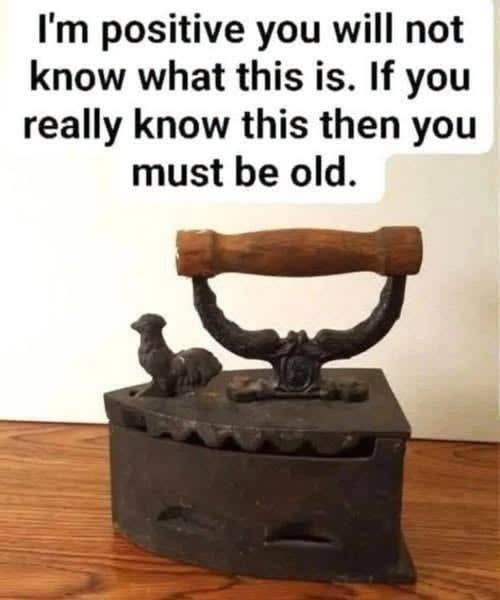
Long before the invention of electric home appliances, automatic steam settings, and non-stick ceramic soleplates, maintaining crisp, wrinkle-free clothing was a physically demanding, labor-intensive household chore. Throughout the 19th and early 20th centuries, households relied on heavy cast-iron tools heated by external energy sources to press garments and domestic linens.
Among the most distinctive vintage tools of this era is the charcoal-heated iron—often recognized by its hollow cast-iron body, wooden handle, air vents, and animal-shaped front latch. In this historical overview and domestic preservation guide, we will explore how charcoal irons worked, trace the evolution of laundry technology, examine antique restoration considerations, and look at how historic home skills connect with long-term financial wisdom.
What Is an Antique Charcoal Iron?
A charcoal iron (also known as a box iron or coal iron) is a heavy, self-heating flatiron designed to press fabric using internal thermal heat. Unlike solid “sadirons” that required constant reheating on top of a hot stove or hearth, charcoal irons contained their own portable heat source.
Key Components of a Vintage Charcoal Iron
- Hollow Iron Body: Serves as a mini furnace to hold burning charcoal embers.
- Hinged Lid and Latch: Features a top cover—frequently secured with a decorative rooster-shaped or bird-shaped brass latch—that swings open to allow charcoal placement.
- Ventilation Slots: Side holes or air vents located along the bottom chamber ensure oxygen flow to keep the glowing coals burning.
- Wooden Handle Mount: Raised wooden grips insulate the user’s hands from extreme conductive heat generated by the iron body.
How Charcoal Irons Worked: Step-by-Step
Using a charcoal iron required careful preparation, proper ventilation control, and physical endurance to manipulate heavy cast iron safely.
+---------------------------+---------------------------------------+---------------------------------------+
| Operational Step          | Process Mechanics                     | Primary Function                      |
+---------------------------+---------------------------------------+---------------------------------------+
| Loading Embers            | Place glowing hardwood charcoal inside| Provides continuous internal heat    |
| Airflow Management        | Open air vents / blow through holes   | Controls combustion rate & temp level |
| Heat Distribution         | Heavy cast-iron base retains heat     | Delivers smooth, weighted pressing    |
+---------------------------+---------------------------------------+---------------------------------------+
1. Preparing the Coals
Home cooks or domestic workers would light hardwood charcoal in a fireplace or stove until red hot, then transfer glowing embers into the hollow chamber using iron tongs.
2. Regulating Temperature and Ash Safety
To prevent ash or soot from blowing out onto clean white garments, users relied on integrated chimney flues or bottom draft vents. Waving or fanning the iron boosted oxygen intake, increasing overall heat output when pressing heavy cottons or denims.
Comparing Historical Garment Pressing Tools
The evolution of iron design highlights human innovation in solving daily household challenges.
+-----------------------------------+------------------------------------------------------------------------+
| Tool Type                         | Operational Features & Limitations                                     |
+-----------------------------------+------------------------------------------------------------------------+
| Solid Sadiron                     | Cast-iron block; requires continuous stove reheating; heavy handle     |
| Charcoal Box Iron                 | Internal ember chamber; longer heat retention; requires ash management |
| Early Electric Iron (1880s–1920s) | Constant electricity; initial lack of accurate thermostat controls    |
+-----------------------------------+------------------------------------------------------------------------+
Preserving Antique Cast Iron and Historic Collectibles
Antique charcoal irons are popular historical collectibles, display pieces for rustic interior design, and historical museum artifacts. Proper preservation keeps vintage metalwork protected against rust and degradation.
Restoration and Care Guidelines
- Remove Surface Rust: Use mild abrasive pads or vinegar baths to clean surface oxidation without stripping original metal patina.
- Apply Protective Coatings: Coating clean cast iron with beeswax, mineral oil, or specialized metal paste prevents air exposure and moisture buildup.
- Store in Low-Humidity Environments: Keep vintage iron artifacts in climate-controlled spaces to protect raw iron from seasonal humidity spikes.
Historical Resourcefulness, Home Economics, and Financial Wisdom
Studying historical domestic tools provides a fascinating perspective on resourcefulness, efficiency, and long-term asset management. The transition from manual labor tools to modern labor-saving appliances dramatically altered household economics, freeing up time for education, career development, and personal wealth generation.
+-------------------------------+-----------------------------------+-----------------------------------+
| Domestic Era                  | Historical Manual Household Era   | Modern Automated Household Era    |
+-------------------------------+-----------------------------------+-----------------------------------+
| Labor Intensity               | High daily manual effort          | Automated convenience             |
| Time Allocation               | Hours dedicated to basic tasks    | Expanded personal time for income |
| Financial Growth Potential    | Limited discretionary freedom     | High potential for investment growth|
+-------------------------------+-----------------------------------+-----------------------------------+
Understanding how technology creates efficiency encourages modern households to manage time and financial resources wisely. Reinvesting time saved into career advancement, home equity management, emergency savings funds, and retirement accounts helps ensure lasting financial independence and family stability.
Conclusion
The antique charcoal iron stands as a testament to historical ingenuity and human resourcefulness. While modern electric irons and steamers have replaced these heavy cast-iron relics, charcoal irons remain fascinating symbols of early home engineering and domestic life.
Whether preserved as decorative vintage decor or studied as historic artifacts, these unique tools remind us of the incredible progress made in everyday household technology over the last century.
Frequently Asked Questions (FAQ)
Why do many charcoal irons have a rooster on the latch?
The rooster shape was a popular decorative and functional design element in 19th-century metal casting. Beyond aesthetics, the rooster’s comb provided an easy, heat-resistant grip point to lift the hot latch safely.
How heavy were antique charcoal irons?
Most cast-iron charcoal irons weighed between 5 to 10 pounds (2.2 to 4.5 kg). The heavy weight was intentional, as gravity helped press out stubborn fabric wrinkles without requiring extreme pressing force from the user.
Were charcoal irons dangerous to use indoors?
Yes, using burning charcoal indoors created carbon monoxide risks and required excellent room ventilation. Accidental sparks or flying ash could also burn delicate fabrics or pose minor fire hazards if handled carelessly.
Are antique charcoal irons valuable today?
Value varies widely based on age, condition, rarity, and decorative details. Common models sell among collectors for modest amounts, while rare 19th-century brass or ornate carved models can command higher vintage market values.
