
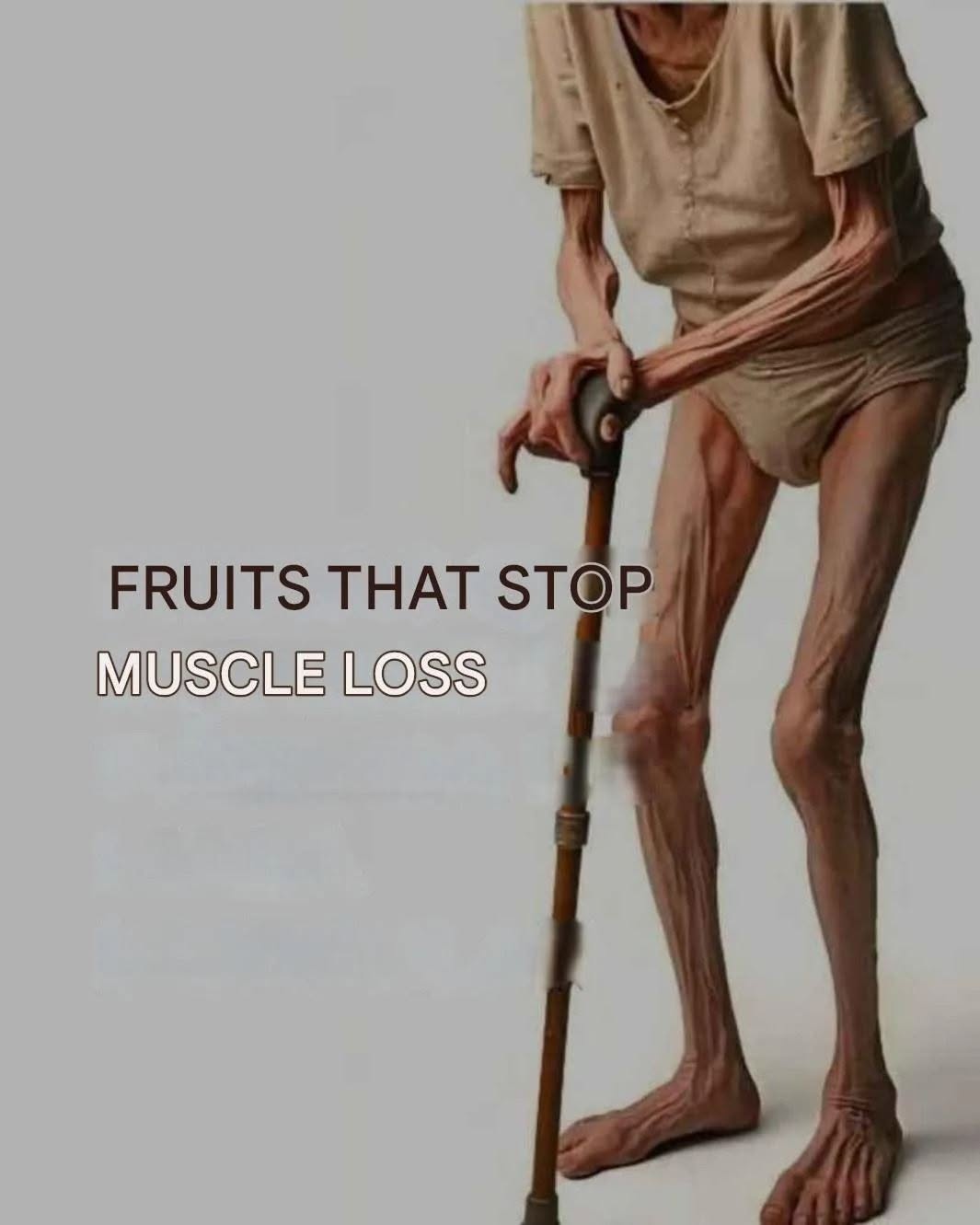
As adults age, maintaining muscle mass, strength, and mobility becomes a vital component of long-term health and vitality. Age-related muscle loss, medically known as sarcopenia, naturally begins around age 30 and can accelerate after age 60 if proactive steps are not taken. While resistance exercise and adequate protein intake remain the foundational pillars of muscle preservation, dietary antioxidants, micronutrients, and anti-inflammatory compounds found in specific fruits play a powerful supporting role.
Incorporating nutrient-dense fruits into a balanced diet helps combat systemic inflammation, reduce oxidative stress, and supply essential vitamins that promote cellular repair. In this comprehensive wellness and nutrition guide, we will explore key fruits that support muscle health, examine the biological mechanisms behind muscle preservation, and share practical lifestyle strategies to stay strong at any age.
The Role of Fruit Micronutrients in Muscle Preservation
While fruits are not primary protein sources, they deliver specialized compounds that protect muscle tissue from breakdown and support metabolic recovery.
1. Potassium and Acid-Base Balance
High-protein diets and processed foods can increase metabolic acid load in the body. Potassium-rich fruits assist in neutralizing excess acidity, which helps prevent the body from breaking down lean muscle tissue to release neutralizing amino acids.
2. Polyphenols and Antioxidant Defense
Physical exertion and aging increase cellular oxidative stress, leading to free radical damage in muscle fibers. Antioxidants like anthocyanins, flavonoids, and vitamin C neutralize free radicals, reducing muscle soreness and promoting efficient tissue repair.
Key Fruits That Support Muscle Health and Recovery
Integrating a colorful variety of fruits into daily meals ensures a broad spectrum of muscle-supporting nutrients.
+---------------------------+---------------------------------------+---------------------------------------+
| Fruit Category            | Key Nutrient / Compound               | Primary Muscle Support Benefit        |
+---------------------------+---------------------------------------+---------------------------------------+
| Bananas                   | Potassium & Vitamin B6                | Prevents cramps & aids protein metabol|
| Tart Cherries & Berries   | Anthocyanins & Vitamin C              | Reduces oxidative stress & soreness   |
| Oranges & Citrus          | Vitamin C & Hesperedin                | Boosts collagen synthesis & repair    |
| Avocados                  | Healthy Monounsaturated Fats & Potassium| Supports nutrient absorption & energy|
+---------------------------+---------------------------------------+---------------------------------------+
Bananas
Bananas are a classic athletic staple packed with easily digestible carbohydrates, potassium, and vitamin B6. Potassium supports muscular contractions and nerve transmission, while vitamin B6 plays a critical role in protein synthesis and glycogen breakdown for workout energy.
Tart Cherries and Berries
Blueberries, strawberries, blackberries, and tart cherries are loaded with potent antioxidants called anthocyanins. Consuming tart cherry juice or fresh berries post-workout helps accelerate muscle recovery, lowers systemic markers of inflammation, and minimizes muscle tissue degradation.
Citrus Fruits (Oranges, Grapefruits, Lemons)
Citrus fruits provide high concentrations of vitamin C, an essential cofactor for collagen synthesis. Collagen provides structural support to tendons, ligaments, and skeletal muscle fascia, keeping joints resilient and reducing risk of physical injury.
Avocados
Botanically classified as a fruit, avocados offer rich amounts of healthy monounsaturated fats, dietary fiber, and more potassium than bananas. Healthy fats aid in absorbing fat-soluble vitamins (A, D, E, and K) critical for cell repair and overall hormonal balance.
Comprehensive Strategies for Preventing Muscle Loss
While fruit consumption provides vital antioxidant and mineral support, optimal muscle maintenance requires a multi-faceted wellness strategy.
+-----------------------------------+------------------------------------------------------------------------+
| Prevention Pillar                 | Actionable Lifestyle Recommendation                                    |
+-----------------------------------+------------------------------------------------------------------------+
| Progressive Resistance Training   | Lift weights or perform bodyweight exercises 2–3 times per week        |
| Optimized Protein Distribution    | Aim for 25–30g of high-quality protein per major meal                   |
| Hydration & Sleep                 | Drink adequate water daily & prioritize 7–9 hours of restorative sleep |
+-----------------------------------+------------------------------------------------------------------------+
1. Progressive Resistance Exercise
Strength training is the single most effective intervention against age-related muscle loss. Engaging in resistance exercises—such as squats, push-ups, weightlifting, or resistance band routines—signals muscle fibers to rebuild, adapt, and maintain mass.
2. Adequate Protein Intake
Pairing antioxidant-rich fruits with high-quality protein sources (such as eggs, poultry, fish, tofu, or legumes) provides the essential amino acids required for muscle protein synthesis ($MPS$).
3. Rest and Hydration
Adequate sleep supports the natural release of growth hormone, enabling cellular tissue repair. Proper hydration ensures efficient nutrient transportation to working muscle cells and maintains electrolyte balance during physical activity.
Long-Term Health, Healthcare Planning, and Financial Vitality
Prioritizing physical strength and preventive healthcare in midlife directly yields long-term personal and financial independence. Maintaining functional mobility reduces healthcare costs, minimizes dependency risks, and enhances overall quality of life during retirement years.
+-------------------------------+-----------------------------------+-----------------------------------+
| Health & Wellness Approach    | Proactive Muscle & Health Care    | Passive Aging & Sedentary Care    |
+-------------------------------+-----------------------------------+-----------------------------------+
| Mobility & Independence       | High physical autonomy & agility  | Increased risk of falls & injuries|
| Long-term Medical Expenses    | Lower medical & caretaking fees   | Higher prescription & care costs  |
| Retirement Lifestyle Quality  | Active, energetic retirement years| Restricted mobility & activity    |
+-------------------------------+-----------------------------------+-----------------------------------+
By making consistent investments in healthy nutrition, regular physical activity, comprehensive health insurance coverage, and preventive medical checkups, individuals safeguard both their physical well-being and financial security. Preserving health equity ensures that retirement funds remain available for leisure, travel, family support, and long-term wealth building.
Conclusion
Preventing muscle loss is a holistic endeavor that combines progressive strength training, sufficient protein intake, and nutrient-dense, antioxidant-rich fruits like bananas, berries, and citrus.
By taking proactive control of your daily nutrition, staying physically active, and supporting your body with essential micronutrients, you can preserve strength, vitality, and mobility for a vibrant, independent life.
Frequently Asked Questions (FAQ)
Can eating fruit alone prevent muscle loss?
No. While fruits provide vital antioxidants, vitamins, and minerals that protect cells and support recovery, preventing muscle loss requires resistance training and adequate dietary protein intake.
How much protein should older adults consume daily?
Most nutrition experts recommend that older adults aim for approximately 1.0 to 1.2 grams of protein per kilogram of body weight daily (or higher for those engaging in regular strength training) to support muscle maintenance.
Is the sugar in fruit bad for muscle health?
No. The natural sugars (fructose and glucose) in whole fruits come packaged with fiber, vitamins, and water, providing a steady release of energy without the dramatic blood sugar spikes associated with processed refined sugars.
When is the best time to eat fruit for muscle recovery?
Eating fruit shortly before or after a resistance workout is ideal. Post-workout fruit consumption rapidly replenishes glycogen stores in muscle tissue and delivers antioxidants right when cellular repair begins.
