
Introduction
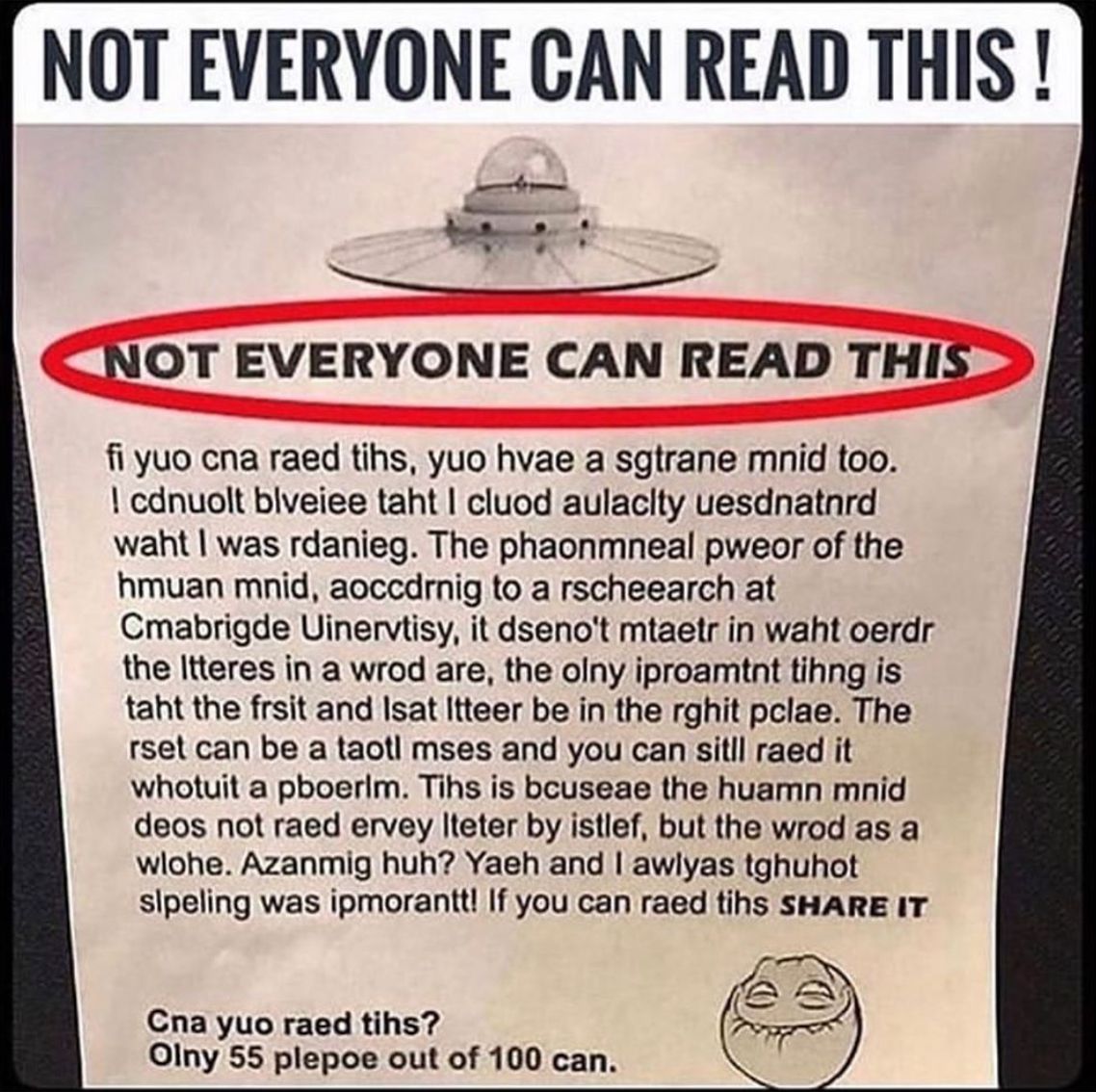
Viral internet memes, cognitive illusions, and jumbled-letter text challenges frequently circulate across social media, inviting users to test how their brains process language. Designed specifically to spark curiosity and drive high comment engagement, these puzzles demonstrate fascinating quirks of human reading comprehension. When encountering an image stating “NOT EVERYONE CAN READ THIS!” featuring paragraphs with mixed-up letters, readers immediately try to decode the message to see if their mind is up to the task.
Evaluating psychological and linguistic puzzles closely mirrors examining cognitive processing, pattern recognition, and data interpretation. In this comprehensive guide, we explore the science behind how our brains read scrambled text, examine the famous Cambridge University urban legend, and share practical tips for solving linguistic brain teasers.
Decoding the Scrambled Text Phenomenon
The secret to reading jumbled text lies in how the human visual cortex and brain recognize words as holistic shapes rather than spelling out every single letter individually.
1. Breaking Down the Mechanics
- First and Last Letters: As long as the first and last letters of a word remain in their correct positions, the brain can easily process and understand the word even if the internal letters are completely scrambled.
- Contextual Clues: Sentence structure, grammar, and surrounding context allow our minds to fill in the gaps effortlessly without pausing to spell-check.
- The Cambridge Myth: While viral posts often attribute this phenomenon to a formal “research at Cambridge University,” linguists note that it is actually a simplified version of real psycholinguistic research regarding word recognition.
2. Why It Feels Like a Superpower
When people successfully read the paragraph on the first try—despite words like sgrtane mnid or phaonmneal pweor—it creates an “aha!” moment that makes the puzzle irresistible to share with friends and followers.
Practical Tips for Solving Linguistic Puzzles
- Scan the Whole Word: Instead of sounding out individual letters phonetically, let your eyes capture the entire word shape.
- Use Context: If a scrambled word looks confusing, look at the rest of the sentence to let context reveal the intended meaning.
- Engage Online: Sharing clever reading tests is a fantastic way to spark friendly debate and see who in your network can decode the text the fastest.
Interesting Facts About Reading Comprehension
- Human beings typically read by recognizing whole word configurations rather than decoding letters sequentially, which is why speed reading is possible.
- Typoglycemia is the unofficial internet term given to the ability to read scrambled words.
- Brain teasers involving text manipulation consistently rank among the most viral types of content on social media.
Conclusion
While viral social media reading tests designed to test your cognitive speed often use exaggerated claims about who can read them, understanding the science of whole-word recognition explains why our brains decode scrambled text so easily!
Frequently Asked Questions
Can everyone read scrambled text?
Most fluent readers can read scrambled text easily, provided the first and last letters of the words remain in their correct places.
Is the Cambridge University research claim true?
Not quite—while the underlying cognitive principle of whole-word recognition is scientifically accurate, the specific viral text layout is an internet urban legend rather than a formal Cambridge study.
Why does the brain understand jumbled words?
The brain processes words as visual units and uses surrounding sentence context to predict and understand meaning instantly.
