
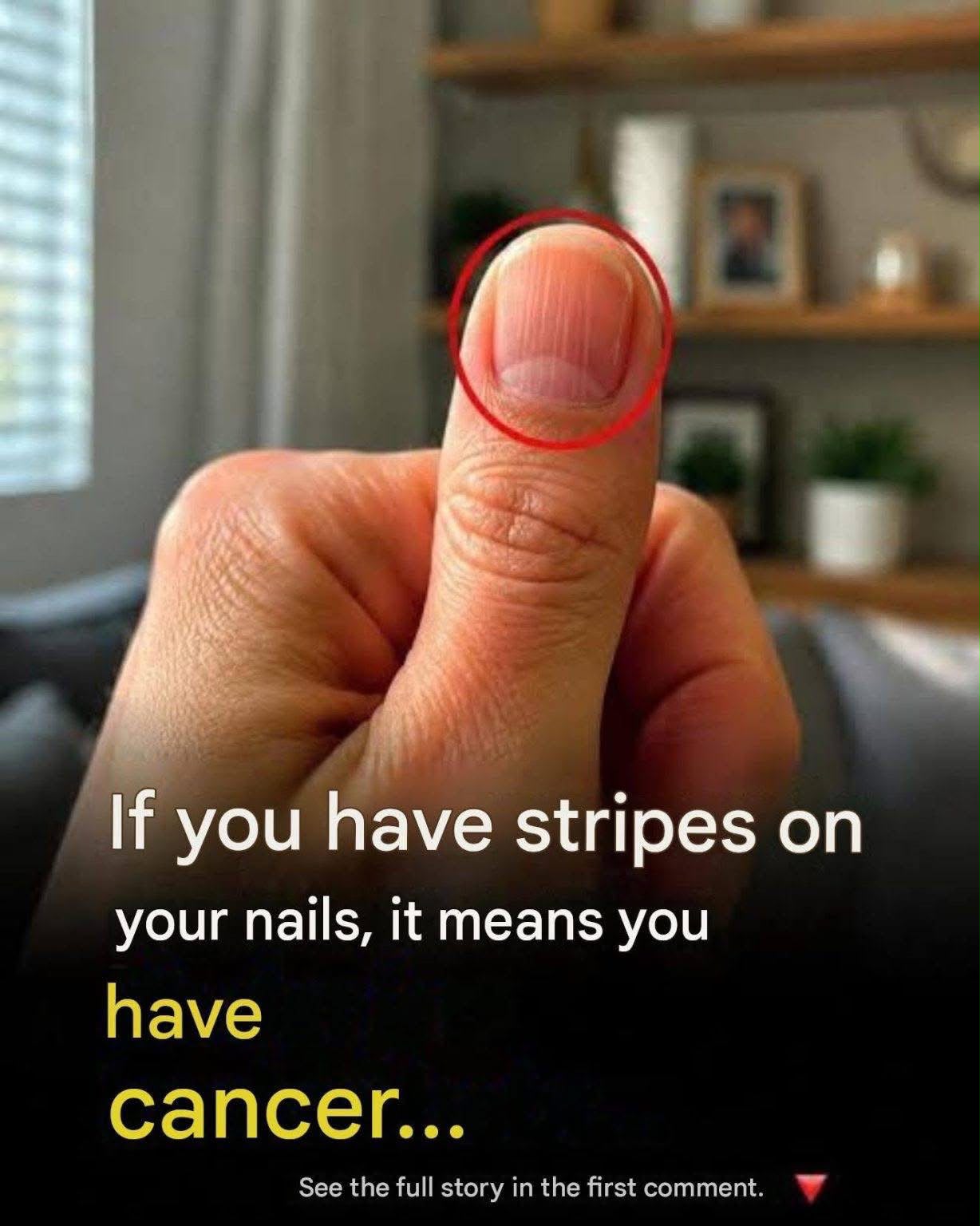
Viral health posts shared across social media have a powerful way of commanding attention by stoking immediate fear and curiosity. When an image boldly claims, “If you have stripes on your nails, it means you have cancer…”, it instantly triggers alarm bells for anyone who happens to glance down at their hands and notice a subtle vertical ridge. While fingernails can indeed provide valuable clues about overall health and underlying medical conditions, sweeping generalizations on the internet rarely tell the whole story. Let’s take a close, evidence-based look at what nail stripes actually mean, the common causes of nail changes, and how to differentiate between harmless quirks and true medical concerns.
Understanding Nail Anatomy and Common Vertical Ridges
For most people who notice lines running from the cuticle to the tip of the nail, these are known medically as vertical ridges. Far from being a sign of a dangerous disease, vertical ridging is an extremely common, natural part of the aging process.
- The Aging Process: Just as skin develops fine lines over time, the matrix beneath the nail can change as we age, causing vertical ridges to form naturally.
- Minor Dryness: Dryness in the hands, frequent hand-washing, or exposure to harsh cleaning chemicals can make nail ridges more prominent and visible.
- Nutritional Factors: Mild nutritional deficiencies or general dehydration can occasionally affect the smooth texture of the nail plate, though this is usually temporary.
When Nail Changes Require Attention
While vertical ridges are typically harmless, other types of nail changes do warrant a closer look by a healthcare professional or dermatologist.
- Horizontal Ridges (Beau’s Lines): Deep depressions running horizontally across the nail often indicate that nail growth was temporarily interrupted by a severe illness, high fever, physical trauma, or extreme stress.
- Dark Vertical Bands: Unlike faint vertical ridges, a single dark brown or black stripe running down the nail bed can sometimes be a sign of subungual melanoma—a serious form of skin cancer that develops under the nail. However, this is relatively rare and requires a professional clinical evaluation rather than immediate panic.
- Color and Texture Shifts: Pitting, spooning, or significant discoloration can point to underlying systemic conditions like iron-deficiency anemia, thyroid disorders, or psoriasis.
Health, Wellness, and Medical Guidance
Navigating health information online requires a balance of vigilance and common sense. When unusual symptoms or physical changes appear, consulting qualified professionals is always the safest route.
The Role of Medical Specialists
Dermatologists and primary care physicians specialize in evaluating skin, hair, and nail abnormalities. If you notice a persistent, unusual change in your nails—such as a dark pigmentation band or chronic splitting—a doctor can perform a physical examination and determine whether further diagnostic testing is necessary.
Preventive Health and Self-Care
- Keep Nails Moisturized: Regularly applying hand cream and cuticle oil helps prevent dryness, cracking, and exaggerated nail ridges.
- Maintain Balanced Nutrition: Eating a nutrient-dense diet rich in vitamins, minerals, and proteins supports strong, healthy nail growth.
- Avoid Harsh Chemicals: Wearing gloves while cleaning or handling chemicals protects the hands and nail beds from unnecessary damage.
Conclusion: Separating Internet Fear-Mongering from Medical Reality
The claim that any stripe on your nail automatically signifies cancer is an oversimplification designed to generate clicks and shares on social media. While paying attention to your body is important, harmless vertical ridges are a normal part of aging for millions of people. By relying on facts, maintaining healthy self-care habits, and consulting medical professionals for genuine concerns, you can keep your health—and your peace of mind—on solid ground.
FAQ Section
Q: Do stripes on your nails always mean you have cancer? A: No. The vast majority of nail stripes are harmless vertical ridges associated with normal aging, dryness, or minor changes in the nail bed.
Q: What is the difference between vertical ridges and dark pigment stripes?
A: Vertical ridges are normal, textured lines running from the cuticle to the tip. A dark brown or black vertical stripe under the nail can sometimes indicate a more serious condition like subungual melanoma and should be checked by a doctor.
Q: Can stress or illness cause changes in nail texture?
A: Yes. Severe illness, high fever, or intense physical stress can cause horizontal depressions called Beau’s lines as nail growth temporarily slows down.
Q: How can I keep my nails smooth and healthy?
A: Keeping your hands and cuticles moisturized, eating a balanced diet rich in essential nutrients, and protecting your hands from harsh chemicals will support strong nail health.
Q: When should I see a doctor about my fingernails?
A: You should consult a healthcare provider or dermatologist if you notice persistent discoloration, a dark band under the nail, chronic splitting, or sudden changes in nail shape.
