
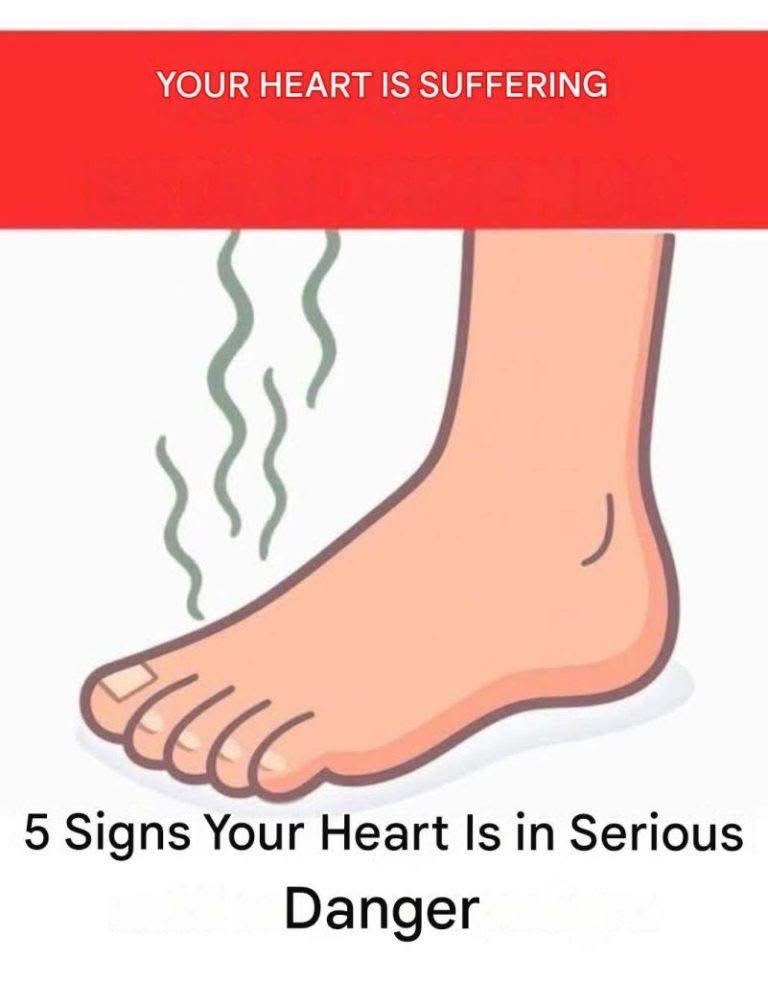
Health alerts shared across social media have a unique way of grabbing our attention by highlighting hidden dangers and urgent physical symptoms. When an illustration warns that “Your heart is suffering” and lists “5 signs your heart is in serious danger” alongside an image of a foot, it immediately sparks concern about cardiovascular well-being. Heart disease remains a leading health concern globally, making early awareness of symptoms and preventive care vital. Let’s explore the critical indicators of cardiovascular stress, how the body signals heart trouble, and how to maintain a healthy heart for life.
Understanding Cardiovascular Health and Warning Signs
The cardiovascular system supplies oxygen and nutrients to every part of the body, meaning that when the heart is in distress, it can manifest symptoms in unexpected ways. While chest pain is the most famous indicator, other subtle physical signs should never be ignored.
- Chest Discomfort and Pressure: The most classic sign of heart trouble includes pressure, tightness, squeezing, or pain in the center of the chest that lasts more than a few minutes.
- Shortness of Breath: Feeling unusually breathless during routine physical activities or while resting can indicate that the heart is struggling to pump efficiently.
- Swelling in the Lower Extremities: Fluid retention resulting in swelling in the legs, ankles, or feet can sometimes point toward congestive heart failure.
- Fatigue and Weakness: Overwhelming, unexplained exhaustion or a sudden inability to perform daily tasks can signal poor cardiac output.
- Dizziness or Lightheadedness: Sudden drops in blood pressure caused by inefficient heart function can lead to dizziness or fainting spells.
Health, Wellness, and Preventive Cardiology
Protecting your heart requires consistent lifestyle habits and proactive medical management.
Key Steps for Heart Protection
- Monitor Blood Pressure and Cholesterol: Regular check-ups help catch hypertension and high cholesterol before they cause arterial damage.
- Adopt a Heart-Healthy Diet: Focus on whole grains, leafy greens, lean proteins, and healthy fats while reducing sodium, processed sugars, and trans fats.
- Stay Physically Active: Engaging in regular aerobic exercise—such as brisk walking, swimming, or cycling—strengthens the heart muscle and improves circulation.
- Avoid Tobacco Products: Quitting smoking drastically reduces cardiovascular inflammation and lowers the risk of plaque buildup in the arteries.
Legal and Financial Health Planning
As individuals age or manage chronic conditions, preparing for medical needs involves more than physical wellness. Establishing healthcare proxies, living wills, and durable power of attorney ensures that medical decisions are properly handled during emergencies.
Conclusion: Staying Proactive About Your Heart
While viral social media warnings aim to spark health consciousness, understanding actual cardiovascular risks requires reliable medical knowledge and professional clinical evaluation. Never ignore persistent symptoms like chest discomfort, severe fatigue, or unexplained swelling. Stay informed, prioritize healthy daily habits, and always consult a healthcare provider for personalized medical guidance.
FAQ Section
Q: What are the most common warning signs of heart trouble? A: Common signs include chest pressure or pain, shortness of breath, unusual fatigue, swelling in the legs or feet, and sudden dizziness.
Q: Why might heart issues cause swelling in the lower extremities?
A: When the heart’s pumping efficiency declines, blood flow slows down, causing fluid to back up in the circulatory system and leak into surrounding tissues, particularly in the legs and ankles.
Q: How can I naturally lower my risk of heart disease?
A: Maintaining a balanced diet, exercising regularly, keeping blood pressure and cholesterol in check, avoiding smoking, and managing stress significantly reduce heart disease risk.
Q: When should chest pain be treated as a medical emergency?
A: Any sudden chest pressure, tightness, or pain that radiates to the arm, neck, or jaw—especially when accompanied by shortness of breath or nausea—requires immediate emergency medical care.
Q: How often should I get my heart health checked by a doctor?
A: Adults should have their blood pressure and cholesterol checked regularly during routine annual physical exams, or more frequently if advised by a physician.
