
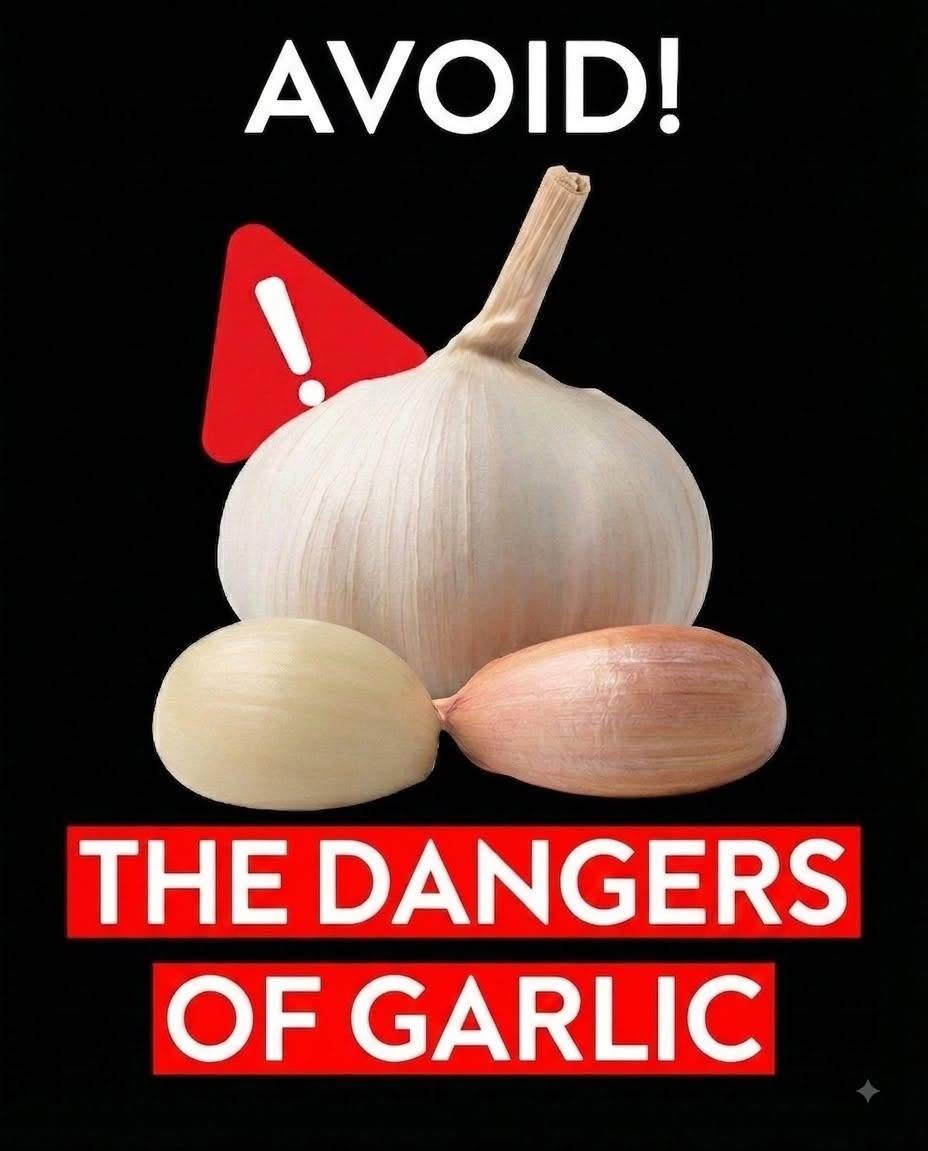
Garlic (Allium sativum) is celebrated globally for its culinary versatility and culinary medicine history, praised for boosting immunity and supporting heart health. However, sensational social media graphics often display a bulb of garlic with prominent warning signs under bold text reading: “AVOID! THE DANGERS OF GARLIC”.
While garlic is safe and nutritious for most people, excessive intake or specific medical conditions can trigger adverse effects and dangerous drug interactions. In this comprehensive health guide, we analyze the potential dangers of garlic, examine who should exercise caution, review health insurance and medical guidance, and highlight safe consumption practices.
1. Blood Thinning and Bleeding Risks
One of the most critical side effects of garlic relates to its impact on blood clotting:
- Anticoagulant Properties: Garlic contains sulfur compounds like allicin and ajoene, which inhibit platelet aggregation and thin the blood.
- Surgical Considerations: Consuming large amounts of raw garlic or high-dose garlic supplements prior to surgery increases the risk of excessive bleeding during and after procedures.
- Medication Interactions: Combining garlic supplements with prescription blood thinners (such as warfarin, aspirin, or clopidogrel) can dangerously intensify their blood-thinning effects.
2. Gastrointestinal Distress and Acid Reflux
For individuals with sensitive digestive systems, garlic can cause noticeable physical discomfort:
- Heartburn and GERD: Garlic relaxes the lower esophageal sphincter, allowing stomach acid to flow upward into the esophagus and triggering painful heartburn.
- FODMAP Sensitivities: Garlic is extremely high in fructans, a type of soluble fiber that ferments in the gut, causing bloating, gas, severe cramping, and diarrhea in people with Irritable Bowel Syndrome (IBS).
- Raw Garlic Irritation: Consuming raw garlic on an empty stomach can irritate the gastric lining, causing nausea, stomach cramps, and burning sensations.
3. Drug Interactions Beyond Blood Thinners
Garlic supplements can alter how the liver processes various medications, affecting their potency and safety:
- Protease Inhibitors and HIV Medications: Garlic can accelerate the breakdown of certain antiviral drugs (such as saquinavir), significantly reducing their effectiveness in the bloodstream.
- Blood Pressure Medications: Because garlic naturally lowers blood pressure, combining high-dose garlic extract with anti-hypertensive drugs can cause blood pressure to drop to dangerously low levels (hypotension).
- Birth Control Pills: Certain garlic compounds may increase the breakdown of estrogen, potentially reducing the efficacy of oral contraceptives.
4. Medical Consultation, Health Insurance, and Safe Consumption
Navigating dietary supplements requires evidence-based medical advice and proper healthcare oversight:
- Consulting Primary Care Physicians: Before taking high-dose garlic supplements, consult a doctor or clinical nutritionist—especially if you manage chronic medical conditions.
- Insurance Coverage for Integrative Care: Many health insurance plans cover consultations with registered dietitians and annual preventive blood panels to monitor liver function and blood clotting markers.
- Safe Culinary Amounts: Using fresh or cooked garlic in standard culinary recipes generally poses minimal health risks while providing wholesome flavor and antioxidant benefits.
Fascinating Facts About Garlic Science
- Allicin Formation: Allicin, the primary bioactive compound in garlic, isn’t active until garlic cells are crushed or chopped, triggering an enzymatic reaction!
- Allicin Sensitivity to Heat: Cooking garlic immediately after chopping destroys the enzyme responsible for creating allicin; letting crushed garlic rest for 10 minutes before heating preserves its beneficial compounds.
- Ancient Medicine: Archaeological records show that ancient Egyptian laborers were given daily rations of garlic to maintain physical strength and ward off illness during pyramid construction.
Frequently Asked Questions (FAQ)
Is raw garlic dangerous to eat every day?
For healthy individuals, moderate raw garlic intake is safe. However, eating multiple raw cloves daily can cause digestive upset, acid reflux, and increased bleeding risks.
Should I stop eating garlic before surgery?
Yes. Surgeons and anesthesiologists generally recommend discontinuing high-dose garlic supplements and excessive raw garlic consumption at least 7 to 14 days before scheduled surgery.
Who should avoid garlic supplements entirely?
People taking prescription anticoagulants, individuals undergoing upcoming surgery, those with severe GERD or IBS, and patients on specific antiviral medications should avoid concentrated garlic supplements unless cleared by a physician.
Conclusion
While headlines warning against garlic can sound alarming, garlic remains a beneficial, nutrient-rich food for the vast majority of people. By understanding its potential interactions with medications, digestive conditions, and surgery, you can safely enjoy garlic’s culinary and health benefits while protecting your overall well-being
