
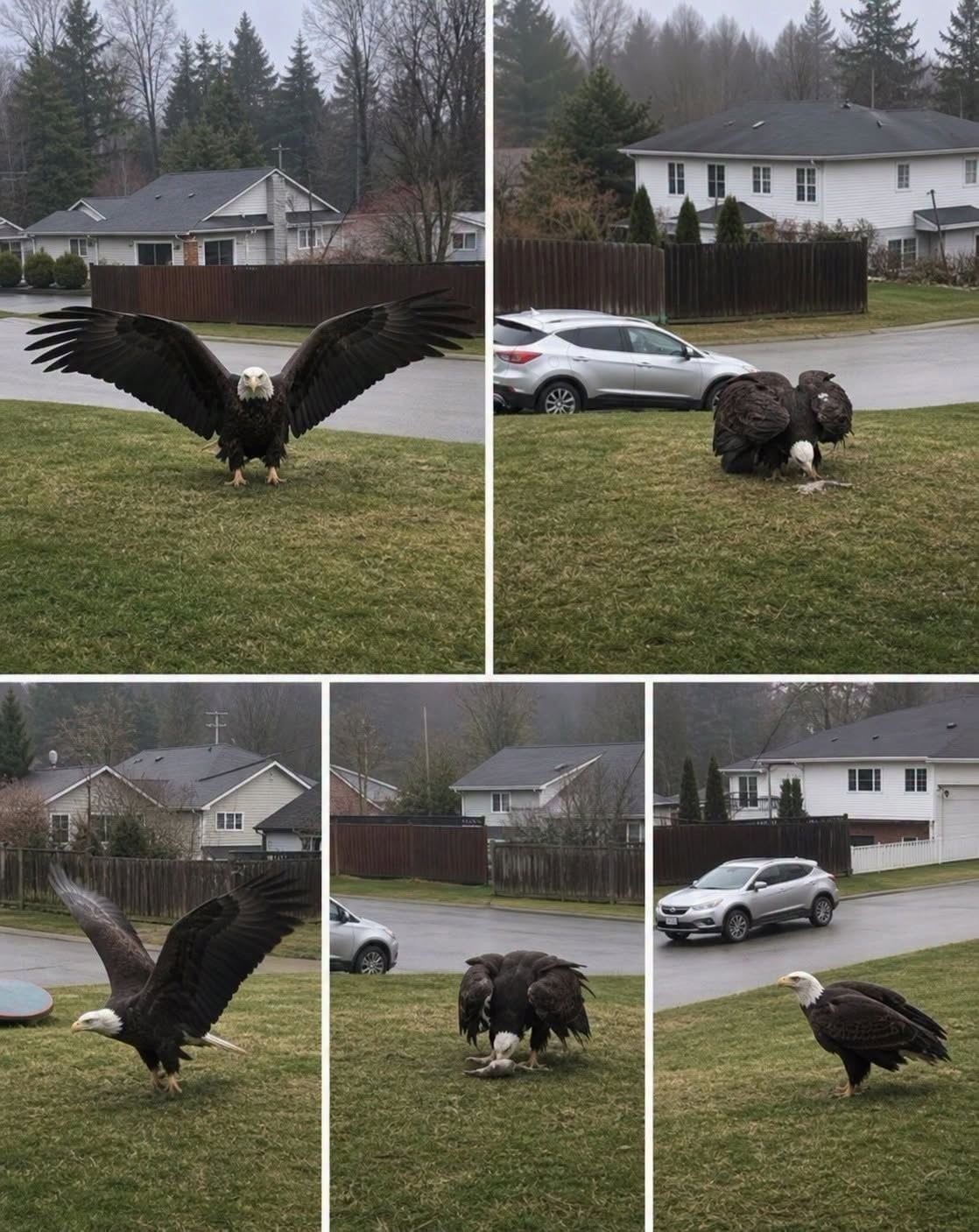
As suburban communities expand and natural habitats shift, human encounters with wildlife have become increasingly common. From deer grazing in neighborhood yards to majestic birds of prey perching on residential rooftops or lawns, sharing spaces with wild animals offers a unique window into the natural world.
While most wildlife prefers to avoid human contact, occasional close encounters can spark curiosity, surprise, and sometimes concern. Understanding how to coexist peacefully with local fauna ensures the safety of both humans and animals.
This comprehensive guide explores the reasons wildlife ventures into residential areas, how to safely observe wild animals, the importance of protecting natural habitats, and practical tips for handling unexpected backyard visitors.
Why Wildlife Ventures into Suburbia
Animals enter suburban neighborhoods primarily driven by the search for resources that support their survival.
Availability of Food and Shelter
- Food Sources: Unsecured garbage cans, fallen fruit from trees, outdoor pet food, and local rodent populations attract various birds and mammals.
- Habitat Corridors: Green spaces, parks, and suburban trees often act as natural migration and hunting corridors for wildlife moving between larger wild areas.
When majestic predators or large birds appear in residential settings, observing them from a respectful distance is essential to prevent stress or defensive behavior.
Safe Coexistence and Observation Guidelines
Encountering wild animals up close requires patience, caution, and respect for their natural instincts.
Best Practices for Backyard Wildlife Viewing
- Keep a Respectful Distance: Never approach, corner, or attempt to feed wild animals, especially large birds of prey or mammals.
- Secure Attractants: Keep pet food indoors and ensure household waste is tightly secured in animal-proof containers.
- Protect Domestic Pets: Supervise pets outdoors, especially during dawn and dusk when many wild animals are most active.
Practical Tips for Managing Wildlife Encounters
If a wild animal chooses your yard as a temporary resting or feeding spot, follow these practical steps:
- Stay Calm and Observe: Give the animal plenty of space to move away on its own without interference.
- Keep Children and Pets Inside: Prevent curious kids or pets from approaching the animal to avoid accidental defensive reactions.
- Contact Local Authorities: If an animal appears injured, sick, or trapped, reach out to local animal control or wildlife rehabilitation organizations rather than intervening yourself.
- Document Safely: If you wish to take photos, use a zoom lens from a safe distance rather than moving closer.
Interesting Facts About Wildlife Adaptability
- Urban Adaptation: Many species of birds and mammals have successfully adapted to suburban environments, taking advantage of elevated perches, abundant food sources, and fewer natural predators.
- Avian Vision: Birds of prey, such as eagles and hawks, possess extraordinary visual acuity—often several times sharper than human vision—allowing them to spot movement from great distances.
- Ecological Balance: Local wildlife plays an essential role in maintaining balanced ecosystems, including natural pest control and seed dispersal.
Conclusion
Encountering wildlife in residential areas is a reminder of the rich biodiversity that exists alongside our daily lives. By practicing patience, respecting animal boundaries, and maintaining secure property habits, we can foster safe and harmonious coexistence with nature.
FAQ Section
Q: Why do wild birds or animals sometimes land in residential yards? A: They are usually searching for food, water, a safe resting spot, or hunting prey like rodents found in suburban areas.
Q: Is it safe to approach a wild bird of prey if it looks calm? A: No. Even if an animal appears calm, approaching too closely can cause severe stress and trigger defensive behavior.
Q: What should I do if I find an injured wild animal? A: Contact a local wildlife rehabilitation center or animal control agency for professional assistance.
Q: How can I discourage unwanted wildlife from visiting my yard? A: Secure trash cans, remove fallen fruit, bring pet food indoors, and eliminate standing water sources.
Q: Are suburban wildlife visits increasing? A: Yes, as residential areas expand into natural habitats, interactions between humans and local wildlife have become more frequent.
Q: How can I safely photograph backyard wildlife? A: Use a telephoto or smartphone zoom lens from a safe distance indoors or behind a secure barrier to avoid disturbing the animal.
