
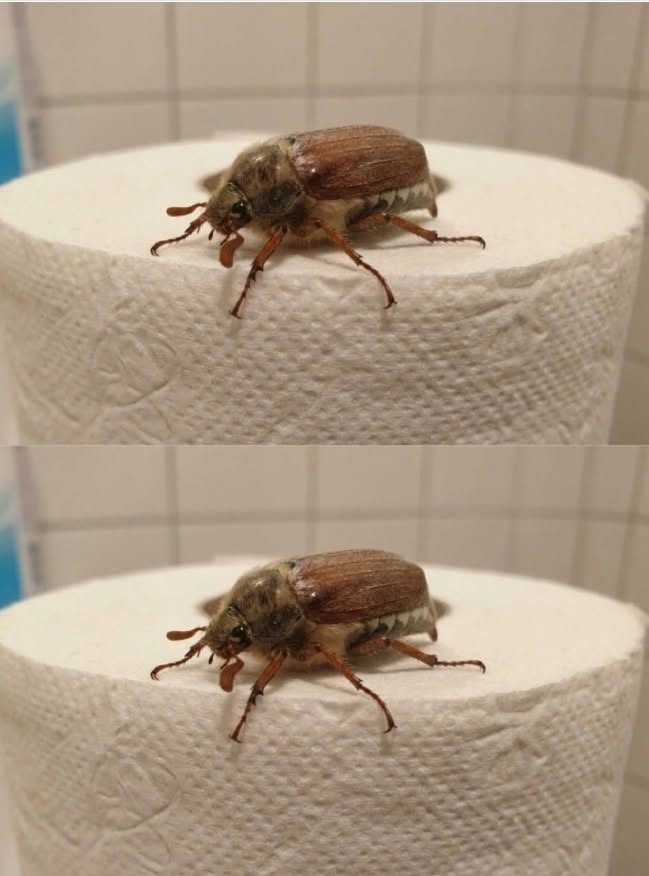
Maintaining a clean, comfortable, and pest-free home is a priority for every homeowner. However, no matter how meticulously a house is kept, various insects and creepy-crawlies occasionally find their way indoors. From harmless outdoor wanderers seeking shelter to seasonal pests attracted by warmth, light, or moisture, encountering bugs around the house is a common part of domestic life.
Understanding why certain insects enter living spaces, how to identify them, and what proactive measures you can take helps keep your home comfortable without unnecessary alarm.
This comprehensive guide explores the behavior of common household insects, eco-friendly prevention strategies, the importance of home sealing, and practical tips for maintaining a pest-free environment.
Why Insects Enter Our Living Spaces
Insects are driven primarily by basic survival instincts: the search for food, water, shelter, and favorable temperatures.
Seasonal Migration and Weather Shifts
- Seeking Shelter: During sudden drops in temperature, heavy rainfall, or extreme seasonal shifts, many outdoor insects seek refuge inside warm buildings.
- Attraction to Light and Moisture: Bathrooms, kitchens, and basements frequently attract insects due to high humidity, water sources, and indoor lighting.
While many indoor visitors are entirely harmless and accidental intruders, knowing how to manage them effectively ensures peace of mind.
Natural Prevention and Home Maintenance
Preventing pests from entering your home relies heavily on exclusion techniques and maintaining a clean environment.
Securing Entry Points
- Seal Cracks and Gaps: Inspect window frames, doorways, and foundation cracks, sealing any gaps with caulk or weatherstripping.
- Install Fine Mesh Screens: Ensure windows and ventilation shafts are fitted with intact insect screens to allow fresh air in while keeping bugs out.
- Manage Moisture: Fix leaky plumbing promptly and use exhaust fans in bathrooms to reduce humidity levels that attract moisture-loving pests.
Practical Tips for Managing Indoor Pests
When you encounter an unexpected insect indoors, handling the situation calmly and efficiently is key:
- Identify Before Reacting: Learn to distinguish between harmless beneficial insects and genuine household pests.
- Use Gentle Removal Methods: Instead of relying on harsh chemicals for stray bugs, gently catch and release them outdoors using a cup and a piece of paper.
- Keep Food Sealed: Store pantry items in airtight containers to avoid attracting ants, beetles, or rodents.
- Maintain Yard Clearance: Trim bushes, trees, and tall grass away from your home’s exterior walls to eliminate natural bridges for insects.
Interesting Facts About Household Insects
- Ancient Coexistence: Insects are among the oldest inhabitants of Earth, having populated the planet for over 400 million years—long before humans appeared.
- The Role of Biodiversity: While some insects are viewed as pests indoors, the vast majority play critical ecological roles outdoors, including pollination, decomposition, and serving as food for wildlife.
- Sensory Perception: Many common beetles and flying insects navigate using light sources, which is why they frequently gather around outdoor porch lights or windows at night.
Conclusion
Encountering an occasional insect in your home is a normal occurrence that can be easily managed with basic preventative maintenance and a calm approach. By sealing entry points, managing indoor moisture, and understanding insect behavior, you can maintain a comfortable, welcoming, and secure living space.
FAQ Section
Q: Why do bugs suddenly appear inside the house? A: Insects usually enter seeking shelter from extreme weather, warmth, moisture, or food sources found indoors.
Q: Are all household insects harmful? A: No. Many insects found indoors are harmless wanderers that accidentally strayed inside and pose no threat to humans or property.
Q: How can I stop bugs from getting into my bathroom? A: Use exhaust fans to reduce humidity, fix leaky pipes promptly, and ensure windows have tight-fitting screens.
Q: What is the best way to remove a beetle from the house? A: You can safely capture it using a small container and a piece of cardboard, then release it outdoors.
Q: Do chemical sprays need to be used for every bug? A: Not necessarily. For occasional accidental intruders, physical removal or exclusion methods are often much simpler and safer than using chemical insecticides.
Q: How often should I inspect my home’s exterior for gaps? A: Conducting a seasonal check around doors, windows, and foundations once or twice a year helps catch and seal potential entry points early.
