
Introduction
Human biology is full of fascinating complexities, and medical researchers have spent decades studying how our genetics influence our overall health, disease susceptibility, and lifespan. From understanding why certain blood types react differently to infections to exploring the connections between genetics and longevity, health science continually uncovers intriguing insights.
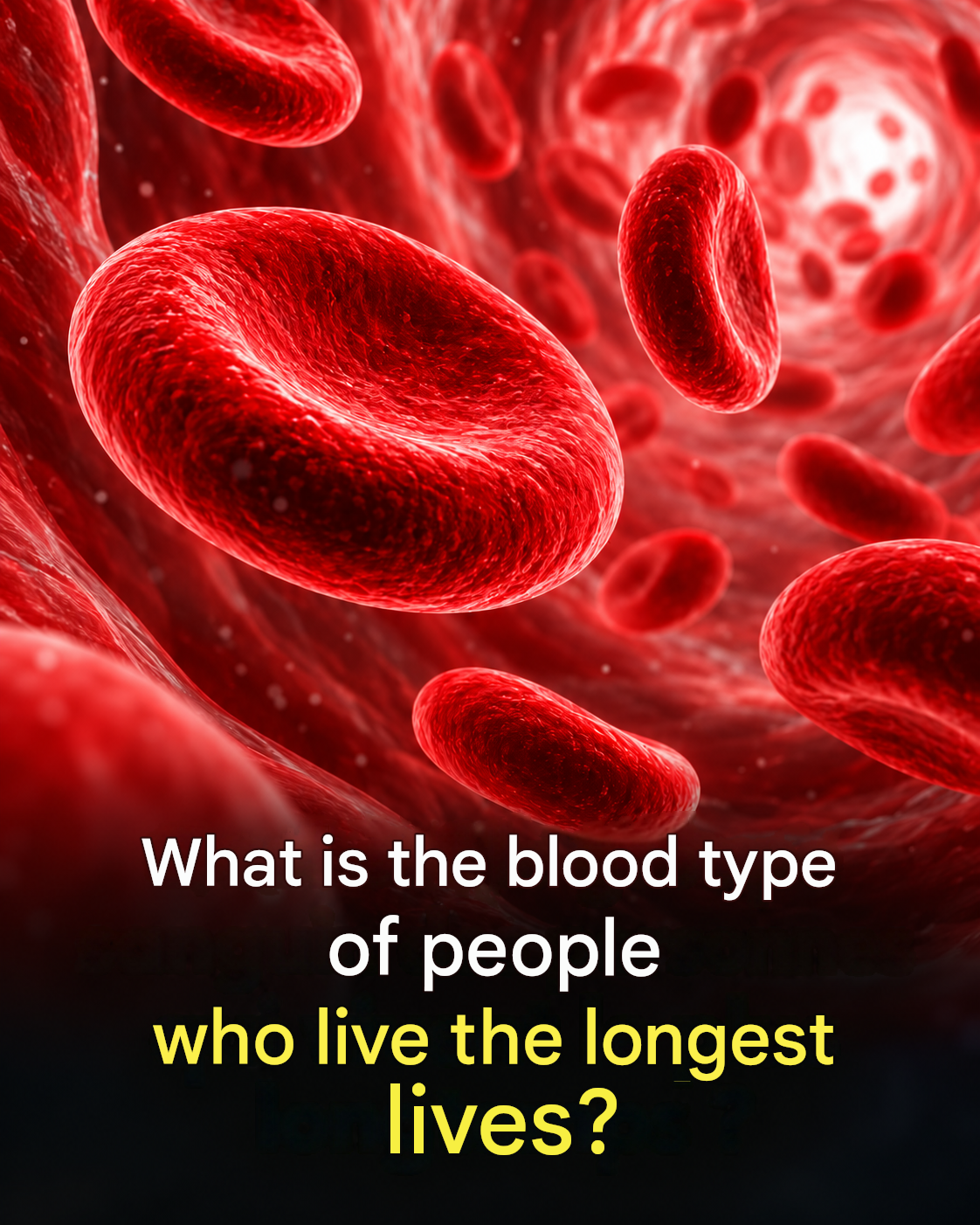
A viral health topic currently capturing attention online asks a compelling question: what is the blood type of people who live the longest lives? While pop culture often circulates myths about specific blood types guaranteeing extreme longevity, scientific reality involves a much more nuanced look at genetics, lifestyle, and cardiovascular wellness.
The Science of Blood Types and Human Health
Blood types are determined by the presence or absence of specific antigens on the surface of red blood cells. These classifications—most commonly grouped into the ABO system and Rhesus (Rh) factor—play a critical role in immunology and medicine.
Key Connections Between Blood Types and Health
- Cardiovascular Risk Factors: Medical studies have shown that individuals with non-O blood types (A, B, and AB) may have a slightly higher risk of certain cardiovascular conditions, such as blood clots or heart disease.
- Infectious Disease Susceptibility: Historical and epidemiological research indicates that different blood types exhibit varying vulnerabilities to certain viral and bacterial infections.
- The Role of Genetics: While blood type is an inherited genetic trait, overall longevity is determined by a complex combination of genetics, diet, physical activity, and access to healthcare rather than a single biological factor.
Longevity, Lifestyle, and Preventive Healthcare
Achieving a long, healthy life relies far more on daily habits and medical prevention than on inherited blood group classifications.
Essential Pillars of Longevity
- Balanced Nutrition: Consuming a diet rich in whole foods, lean proteins, antioxidants, and healthy fats supports long-term cellular health.
- Regular Physical Activity: Maintaining an active lifestyle strengthens cardiovascular function, preserves muscle mass, and promotes metabolic health.
- Proactive Medical Care: Routine screenings, managing blood pressure, and staying up to date with preventive healthcare are proven ways to extend healthspan.
Interesting Facts About Blood Groups
The history of blood typing is filled with remarkable scientific milestones:
- Discovery of ABO System: Karl Landsteiner discovered the ABO blood group system in 1900, earning a Nobel Prize and revolutionizing safe blood transfusions.
- Global Distribution: O-positive is the most common blood type worldwide, while AB-negative is generally the rarest.
- Dietary Myths: Despite popular trends claiming specific diets should be tailored to blood types, comprehensive scientific reviews have found no clinical evidence supporting blood-type-based diets.
Practical Tips for Promoting Long-Term Wellness
If you want to maximize your health and longevity, focus on proven, actionable lifestyle habits:
- Prioritize Heart Health: Monitor your cholesterol and blood pressure regularly, especially if you have a family history of cardiovascular issues.
- Manage Stress: Incorporate mindfulness, adequate sleep, and relaxation techniques into your daily routine to lower chronic inflammation.
- Stay Hydrated: Drink plenty of water throughout the day to support optimal cellular function and circulation.
Conclusion
While exploring whether blood types influence lifespan makes for a fascinating scientific discussion, true longevity is built on healthy daily habits, preventive care, and overall wellness. By focusing on what you can control—such as diet, exercise, and medical checkups—you can pave the way for a healthier, longer life.
FAQ Section
Is there a single blood type that guarantees a longer life?
No, scientific research shows that while certain blood types have slight correlations with specific health risks, overall longevity depends on lifestyle, environment, and overall genetics.
Why do non-O blood types have different health risks?
Studies suggest that proteins and antigens found in A, B, and AB blood types may be associated with slightly higher levels of certain clotting factors and inflammatory markers.
Does your blood type affect your diet?
Comprehensive scientific studies have found no evidence that eating according to your blood type provides any health benefits or weight loss advantages.
What are the most important factors for living a long life?
Key factors include maintaining a healthy cardiovascular system, eating a balanced diet, exercising regularly, avoiding smoking, and receiving routine medical care.
