
Introduction
Personal hygiene and intimate health are fundamental aspects of overall well-being, yet they are often surrounded by stigma, mystery, and misinformation. Many people experience changes in their body’s natural scent at some point in their lives, which can prompt questions about what is normal and when it might indicate an underlying health concern.
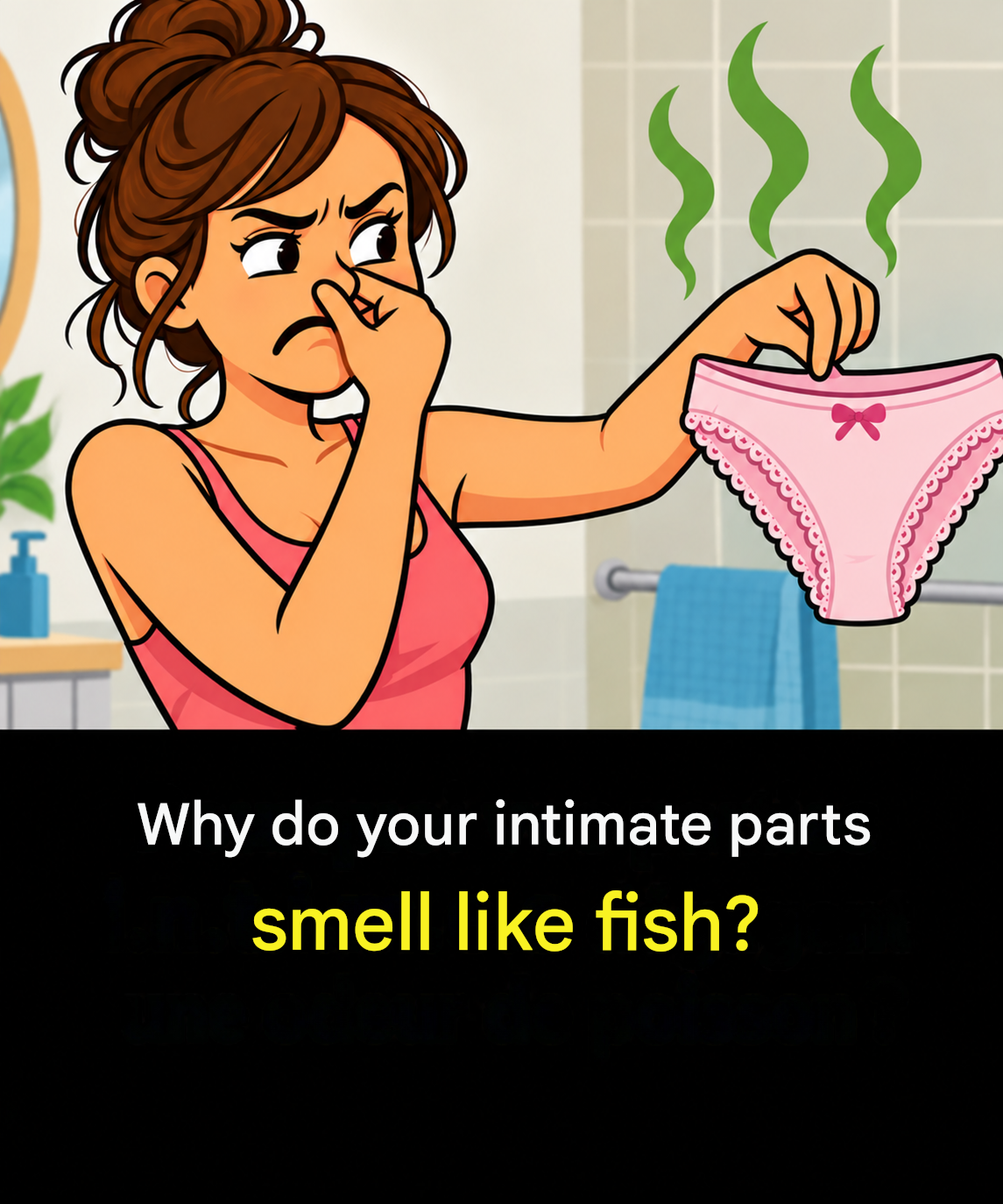
A common topic of discussion in wellness spaces explores why intimate areas can sometimes develop a distinct odor, such as a fish-like scent. Addressing these topics with medical facts, proper hygiene education, and empathy helps dispel embarrassment and encourages proactive health management.
The Science of Vaginal Microbiome and Body Chemistry
The human body is home to trillions of microorganisms that maintain a delicate balance necessary for health. In female intimate health, the microbiome plays a crucial protective role.
Key Factors in Intimate Balance
- Lactobacilli Bacteria: A healthy environment is predominantly populated by Lactobacilli bacteria, which maintain an acidic pH level to ward off harmful pathogens.
- Bacterial Imbalance: When the natural balance is disrupted—often when good bacteria decrease and anaerobic bacteria multiply—changes in discharge and odor can occur.
- Common Conditions: The most frequent cause of a fish-like odor is bacterial vaginosis (BV), a very common and treatable condition resulting from microbial overgrowth.
Hygiene, Medical Care, and Preventive Wellness
Maintaining optimal intimate health involves understanding proper self-care practices and knowing when to consult a healthcare professional.
Essential Wellness Practices
- Gentle Cleansing: The intimate area is self-cleaning; using harsh soaps, douches, or scented products can disrupt the natural pH and worsen imbalances.
- Breathable Fabrics: Wearing breathable cotton underwear and avoiding tight, synthetic garments helps reduce moisture buildup and bacterial growth.
- Professional Diagnosis: If unusual odors, itching, or persistent irritation occur, visiting a gynecologist or primary care physician ensures an accurate diagnosis and proper treatment, such as prescribed antibiotics or gels.
Interesting Facts About Body Odor and Microbiology
The science behind human scents and microbial ecosystems reveals fascinating insights:
- Natural Body Scents: Every individual has a unique natural scent influenced by genetics, diet, hormones, and skin microflora.
- Prevalence of BV: Bacterial vaginosis is one of the most common vaginal conditions for women of reproductive age, affecting millions worldwide.
- Historical Hygiene: Understanding of the human microbiome has revolutionized modern medicine, shifting practices away from aggressive sterilization toward preserving healthy bacterial ecosystems.
Practical Tips for Daily Intimate Care
Supporting your body’s natural defenses involves simple, sustainable, and gentle daily habits:
- Avoid Douching: Never douche or use internal cleansing products unless explicitly recommended by a medical professional, as it washes away beneficial bacteria.
- Stay Hydrated and Eat Well: A balanced diet rich in probiotics and proper hydration supports overall immune and microbial health.
- Wear Loose Clothing: Opt for loose-fitting clothing during workouts and sleep to keep the area dry and well-ventilated.
Conclusion
Experiencing changes in intimate odor can be concerning, but it is usually a sign of a common, treatable imbalance such as bacterial vaginosis. By practicing gentle hygiene, avoiding harsh chemical douches, and seeking professional medical guidance when needed, you can maintain optimal intimate health and well-being.
FAQ Section
What causes a fish-like intimate odor?
A fish-like odor is most commonly caused by bacterial vaginosis (BV), an imbalance in the natural vaginal microbiome.
Is bacterial vaginosis a sexually transmitted infection?
No, BV is not classified as a sexually transmitted infection, though sexual activity can sometimes influence the balance of vaginal bacteria.
How is bacterial vaginosis treated?
BV is typically treated with prescription antibiotics or specialized gels provided by a healthcare professional.
Can using scented soaps help eliminate odors?
No, scented soaps, washes, and douches often irritate the delicate tissue and disrupt pH balance, which can actually worsen unusual odors.
