
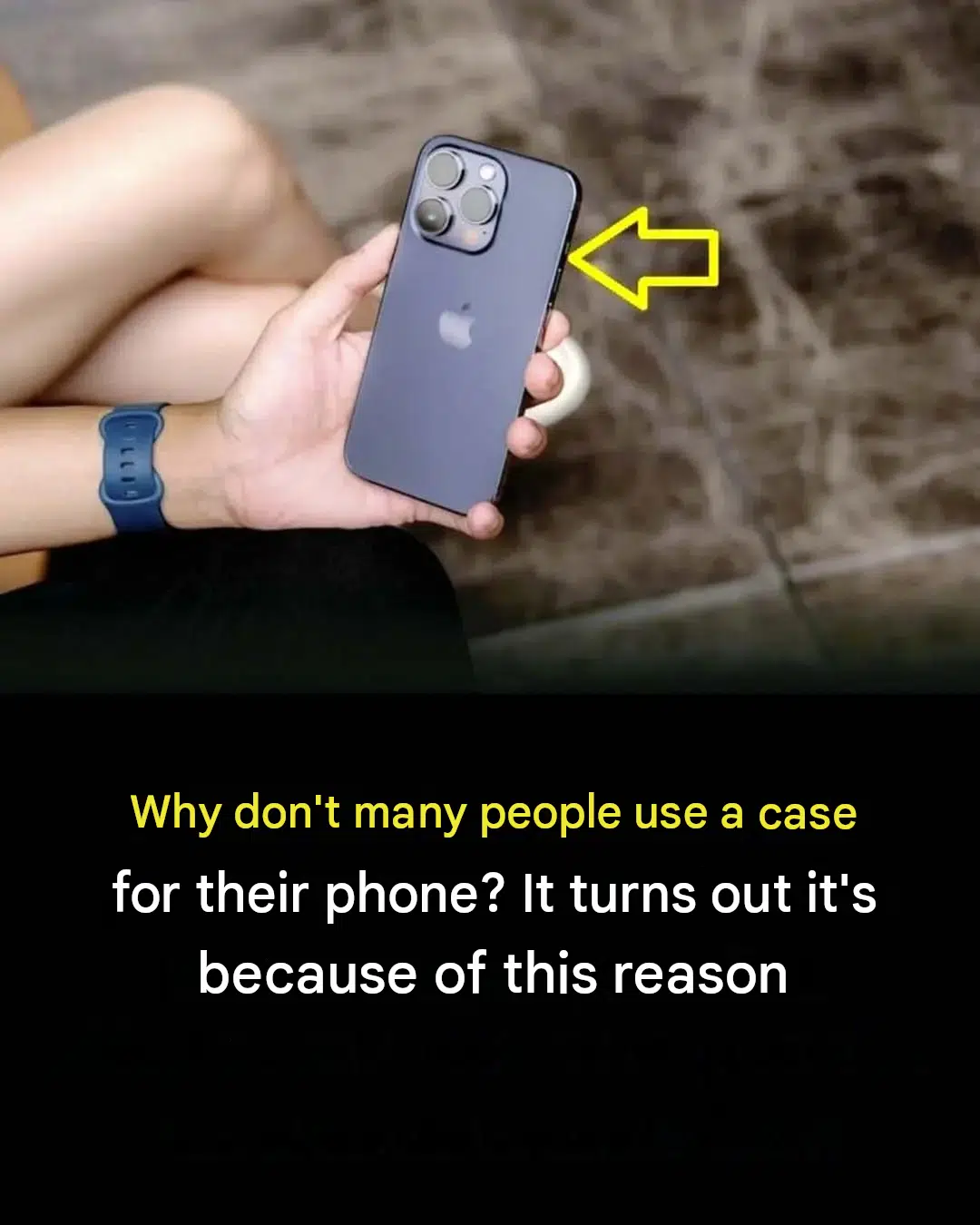
When purchasing a brand-new smartphone, the very first accessory most people buy alongside it is a protective case and a tempered glass screen protector. Given that modern smartphones often cost upwards of a thousand dollars, protecting that investment from accidental drops, scratches, and daily wear seems like common sense. Yet, a dedicated group of smartphone users proudly choose to go “case-less,” walking around with sleek, unprotected devices.
Why would anyone risk damaging an expensive piece of technology by leaving it bare? Industrial design, ergonomics, and material science offer clear insights into why minimalism has captured a loyal following among mobile users. In this comprehensive article, we explore the reasons why many people choose to ditch their phone cases, alongside the financial, insurance, and maintenance factors involved.
The Philosophy of Going Case-Less: Design and Ergonomics
Modern smartphones are marvels of modern engineering and aesthetics. Manufacturers spend millions of dollars and countless hours refining materials like aerospace-grade titanium, matte glass, curved ceramic, and brushed aluminum.
1. Experiencing Original Industrial Design
- Aesthetic Appeal: Premium smartphones are designed to feel sleek and look visually striking; putting them inside a bulky plastic or silicone case hides their true form factor.
- Tactile Feedback: Users who prefer bare phones enjoy the authentic texture of cool metal and textured glass rather than synthetic rubber or plastic.
2. Reduced Bulk and Improved Pocketability
Adding a heavy-duty protective case significantly increases the physical thickness and width of a smartphone. A bare phone slides easily into tight jeans pockets, small purses, or car mounts without catching on fabric or adding unnecessary weight.
3. Superior Thermal Dissipation
When playing graphic-intensive mobile games, running heavy applications, or fast-charging, modern smartphones generate internal heat. Thick rubber or plastic cases can act as thermal insulation traps, keeping heat inside the device. Operating case-less allows heat to dissipate more freely from the chassis.
Financial, Legal, and Insurance Considerations
Choosing to go without a phone case introduces distinct financial trade-offs that every user must weigh against the aesthetic benefits.
1. Extended Device Warranties and Insurance
- Phone Insurance Plans: Many case-less enthusiasts rely on comprehensive device protection plans (such as AppleCare+ or carrier insurance), which cover accidental drops and screen replacements for a modest deductible fee, removing the daily anxiety of accidental damage.
- Trade-In Value vs. Repair Costs: While a pristine, unblemished phone yields higher trade-in value when upgrading to a new model every year or two, some users prefer enjoying the unhindered device experience now rather than preserving it for the next owner.
Essential Best Practices for Case-Less Users
If you decide to join the minimalist movement and carry your smartphone without a case, adopting a few smart habits will help minimize risks:
- Apply a Screen Protector: Pair your bare phone with a high-quality tempered glass screen protector to guard against surface scratches and minor face-down impacts while keeping the back and sides raw.
- Mind Your Surfaces: Avoid placing your phone on abrasive stone countertops, rough concrete, or vibrating tables where it could slide off easily.
- Secure Your Grip: Practice mindful handling, especially when taking photos or using the phone one-handed in crowded outdoor environments.
Fascinating Facts About Smartphone Manufacturing
- Ceramic Shield and Tough Glass: Modern smartphone displays feature advanced chemical strengthening (such as Corning’s Ceramic Shield), making them vastly more drop-resistant than glass from a decade ago.
- Titanium Transitions: The shift toward lightweight titanium frames in flagship phones has reduced overall weight while maintaining high structural rigidity, making bare devices feel even more balanced in the hand.
Conclusion
While going without a phone case certainly carries a higher risk of cosmetic scratches or drop damage, the appeal of experiencing a smartphone’s original design, slim profile, superior thermal performance, and premium materials drives many users to ditch the case entirely. Whether you prefer rugged protection or minimalist elegance, understanding both sides helps you choose the best style for your daily routine.
Frequently Asked Questions (FAQ)
Does going case-less ruin a phone’s resale value?
If you drop the phone and crack the screen or dent the aluminum frame, it will significantly lower its trade-in or resale value. However, careful users who avoid major drops can maintain a clean device.
Do phones overheat inside protective cases?
Yes, certain thick or multi-layered protective cases can trap heat during intensive tasks like gaming or fast charging, whereas bare phones dissipate heat more efficiently.
Are modern phones durable enough to survive without a case?
While modern glass and titanium alloys are tougher than ever, they are still vulnerable to shattering or scratching when dropped onto hard surfaces like concrete or tile.
What is the best compromise if I don’t like bulky cases?
If you want to avoid bulk while still adding basic scratch protection, ultra-thin minimalist skins, bumper frames, or aramid-fiber ultra-slim cases offer a great middle ground.
