
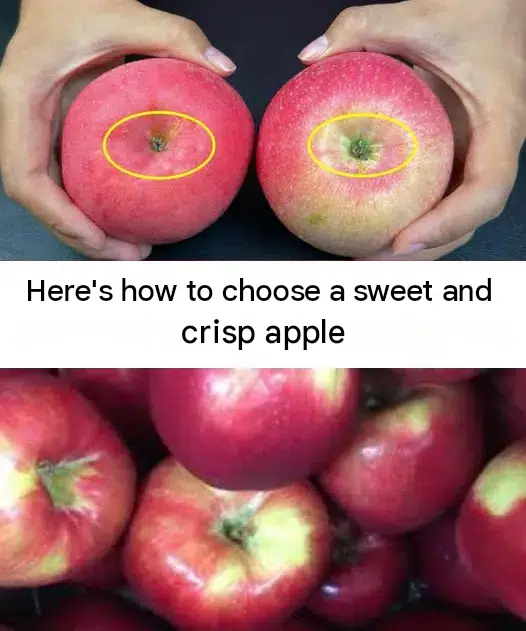
Walking through the produce aisle of a local grocery store or farmers market, shoppers are greeted by vibrant displays of colorful apples. From bright reds and deep maroons to speckled greens and golden yellows, apples remain one of the most popular and healthy fruits in the world. However, selecting an apple that is truly sweet, juicy, and satisfyingly crisp can sometimes feel like a game of chance. One bite into a mealy, soft, or overly tart apple can instantly ruin a healthy snack or fresh recipe.
Understanding how to evaluate produce quality, identify the best fruit characteristics, and select peak-harvest apples transforms grocery shopping into an exact science. By paying attention to specific visual and physical cues—such as stem depth, color patterns, firmness, and skin texture—shoppers can consistently pick the highest-quality fruit every single time.
Visual Cues: What the Stem Cavity Reveals
When professional fruit graders and experienced produce selectors evaluate apples, they look closely at specific indicators around the stem end—often called the stem basin or blossom end.
1. Depth of the Stem Cavity
- Deep and Wide Cavities: Apples that feature a deep, well-defined depression around the stem typically indicate that the fruit received optimal sunlight and nutrients on the tree, resulting in a more developed flavor profile and higher natural sugar content.
- Shallow Basins: Shallower depressions can sometimes indicate early harvesting before the fruit reached full maturity.
2. Skin Coloration and Undertones
- Background Color: Look past the bright red blush to examine the background skin tone. A yellowish or creamy background tint indicates a ripe, sweet apple, whereas a harsh green background tone suggests the fruit was picked too early and may taste tart or starchy.
- Russeting: Small, brownish, cork-like patches around the stem (known as russeting) are completely natural and often signal rich, concentrated varietal flavors rather than a defect.
+-------------------------------------------------------------------+
|               APPLE SELECTION VISUAL GUIDE                        |
+-------------------------------------------------------------------+
| Indicator             | Sign of High Quality / Sweetness          |
+-----------------------+-------------------------------------------+
| Stem Basin            | Deep, broad depression with rich coloring |
| Background Skin Tone  | Creamy yellow undertone (not bright green)|
| Firmness              | Hard, dense feel with zero soft bruising  |
| Weight                | Heavy for its size (high water/juice)     |
+-----------------------+-------------------------------------------+
Key Physical Tests for Crispness and Freshness
Appearance is only half the battle; physical testing ensures the fruit inside is crisp and juicy.
1. The Firmness Test
Gently squeeze the apple in the palm of your hand. A premium, crisp apple should feel exceptionally hard, dense, and solid. If the skin yields even slightly to pressure, or feels spongy, the apple is aging, losing moisture, and becoming mealy.
2. The Weight-to-Size Ratio
Pick up two apples of similar physical size in opposite hands. The heavier apple contains higher water content, more internal juiciness, and fresher pulp, while a lighter apple has likely dried out over time on storage shelves.
3. Surface Texture and Shine
Freshly harvested apples often feature a natural protective wax coating or a clean, matte sheen. Avoid apples that feel excessively sticky (unless organic natural waxes were applied) or look dull and wrinkled around the stem.
Popular Apple Varieties and Their Flavor Profiles
Different apple cultivars offer distinct balances of sweetness, acidity, and crunch. Knowing which variety matches your culinary preference ensures a great eating experience.
| Apple Variety | Flavor Profile | Texture / Crunch | Best Uses |
| Honeycrisp | Sweet with a balanced tartness | Extremely crisp and juicy | Fresh snacking, salads |
| Fuji | Very sweet, low acidity | Firm and crisp | Raw eating, baking |
| Granny Smith | Tart and tangy | Firm and crisp | Baking, pies, balancing salads |
| Gala | Mildly sweet, aromatic | Fine-grained and crisp | Snacking, applesauce |
| Pink Lady | Sweet-tart, effervescent | Very crisp and dense | Snacking, cheese pairings |
The Nutritional Value and Health Benefits of Apples
Beyond their delicious taste and refreshing crunch, apples offer remarkable nutritional benefits backed by modern health science.
- Rich in Dietary Fiber: A medium apple contains around 4 to 5 grams of fiber, including pectin, a soluble fiber that supports digestive health, helps regulate blood sugar levels, and promotes cardiovascular wellness.
- Powerful Antioxidants: Apples are packed with polyphenols and vitamin C, which help neutralize free radicals, reduce systemic inflammation, and support cellular health.
- Hydration and Weight Management: Composed of roughly 85% water, apples provide high volume with low caloric density, making them an ideal snack for satisfying sweet cravings while supporting healthy weight management.
+-------------------------------------------------------------------+
|               NUTRITIONAL HIGHLIGHTS OF APPLES                    |
+-------------------------------------------------------------------+
| [ Soluble Pectin Fiber ] ---> [ Supports Digestion & Heart Health ] |
| [ Vitamin C & Polyphenols ] -> [ Antioxidant & Cellular Defense ]   |
| [ High Water Content ]    ---> [ Natural Hydration & Satiety ]    |
+-------------------------------------------------------------------+
Practical Tips for Storing Apples at Home
Even the crispest apple can turn soft quickly if stored improperly. Follow these guidelines to maximize shelf life:
- Refrigeration is Key: Store apples in the refrigerator crisper drawer. Cold temperatures slow down the natural production of ethylene gas, preserving crunch and freshness up to ten times longer than room-temperature storage.
- Keep Away from Other Produce: Apples emit ethylene gas, which can cause nearby vegetables and sensitive fruits (like bananas and leafy greens) to ripen and spoil prematurely.
- Inspect Regularly: Check your stored apples weekly and remove any bruised or rotting fruit immediately so decay doesn’t spread to neighboring apples.
Conclusion
Choosing a sweet, crisp apple does not have to be left to chance. By evaluating stem cavity depth, background skin undertones, physical firmness, and weight, you can easily identify the highest-quality fruit at the grocery store. Combined with proper refrigeration and a knowledge of different varietal flavor profiles, enjoying fresh, crunchy, and delicious apples has never been easier.
Frequently Asked Questions (FAQ)
How can I tell if an apple is crisp before buying it?
Look for an apple that feels exceptionally heavy for its size and has a firm, hard texture when gently squeezed. Avoid any fruit that yields to pressure or feels soft.
What does the background color of an apple tell me?
The background skin color reveals ripeness. A creamy yellow or golden undertone indicates a ripe, sweet apple, whereas a bright, harsh green undertone suggests the fruit was harvested prematurely.
Are russet patches on an apple skin a bad sign?
No. Russeting (the brownish, rough patches around the stem) is completely natural and often points to rich, concentrated varietal flavors rather than a defect.
How should I store apples to keep them crisp?
Store apples unwashed in the crisper drawer of your refrigerator. The cold environment slows down ripening and keeps them crunchy for weeks.
Why do apples make other fruits spoil faster?
Apples produce ethylene gas, a natural plant hormone that accelerates ripening and decay in nearby sensitive fruits and vegetables.
