
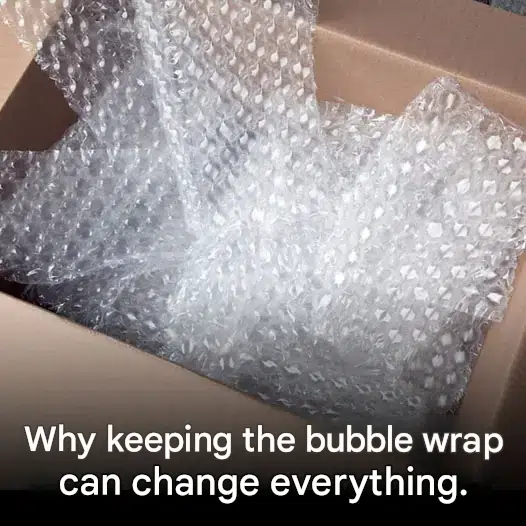
Every time an online order, fragile shipment, or delivery arrives at your doorstep, unpacking the contents usually leaves behind a mountain of packaging waste. Among the packing materials, bubble wrap stands out as both a universal protective shield and an irresistible urge to pop the air pockets. While many people immediately toss bubble wrap into the recycling bin or trash can without a second thought, saving your bubble wrap can actually change everything when it comes to home organization, shipping, gardening, and energy conservation.
Reusing household packing materials is a smart, sustainable way to reduce waste while unlocking clever alternative uses for items you already own. Understanding the hidden potential of bubble wrap transforms ordinary packaging into a versatile household asset.
The Ingenious Everyday Uses for Saved Bubble Wrap
Beyond its primary purpose of cushioning fragile items during transit, bubble wrap possesses unique physical properties—such as trapped air pockets, flexibility, and thermal insulation—that make it useful for numerous practical applications around the home.
1. Superior Plant and Garden Protection
During unexpected late-season frosts or freezing winter nights, outdoor potted plants and delicate perennials are highly vulnerable to cold damage.
- Thermal Insulation: Wrapping the exterior of ceramic pots or garden containers with a layer of bubble wrap provides an effective thermal barrier that protects plant roots from freezing temperatures.
- Greenhouse Lining: Gardeners can use bubble wrap to line small backyard greenhouses or cold frames to trap ambient solar heat during cooler months.
2. Preventing Home Storage Damage
When storing seasonal clothing, holiday decorations, or fragile glassware in attics, basements, or garages, items are frequently subjected to moisture, dust, and pressure.
- Cushioning Storage Bins: Lining the bottom and sides of storage boxes with bubble wrap prevents heavy items from shifting and cracking.
- Protecting Delicate Surfaces: Wrapping wooden furniture legs or antique picture frames in bubble wrap prevents scratching and moisture transfer while stored away.
3. DIY Home Insulation and Draft Blocking
The trapped pockets of air inside bubble wrap make it an exceptional lightweight insulator.
- Window Insulation: In older homes with drafty window panes, applying a light mist of water to the glass and pressing bubble wrap against it creates a temporary double-glazing effect that helps block cold drafts and retain indoor heat.
- Pipe Freezing Prevention: Wrapping exposed plumbing pipes in unheated basements or garages with bubble wrap helps prevent freezing during sudden winter temperature drops.
+-------------------------------------------------------------------+
|               CREATIVE HOUSEHOLD USES FOR BUBBLE WRAP             |
+-------------------------------------------------------------------+
| Application Area      | How Bubble Wrap Helps                     |
+-----------------------+-------------------------------------------+
| Gardening             | Insulates potted plant roots from frost   |
| Home Storage          | Cushions fragile items and prevents dents |
| Energy Efficiency     | Acts as temporary window draft insulation |
| Shipping & Mailing    | Saves money on future packaging supplies  |
+-------------------------------------------------------------------+
The Benefits of Reusing Packaging Materials
Keeping and reusing packing supplies like bubble wrap offers tangible financial and environmental benefits:
- Cost Savings: Purchasing new packaging rolls, packing peanuts, and mailing supplies for shipping items or selling goods online can become expensive. Keeping clean bubble wrap on hand ensures you always have free shipping supplies ready.
- Environmental Sustainability: Reusing plastic materials extends their lifecycle, reducing single-use plastic waste and lowering your household’s overall environmental footprint.
Practical Tips for Storing and Organizing Bubble Wrap
To prevent saved bubble wrap from becoming cluttered chaos in your closets or garage, follow these organizational tips:
- Roll, Don’t Fold: Neatly roll sheets of bubble wrap tightly into cylinders and secure them with rubber bands or twine to save maximum space.
- Sort by Size: Keep smaller sheets separate from large industrial rolls so you can easily select the right size when packing fragile items.
- Keep Clean and Dry: Only save clean, undamaged bubble wrap that has not been soiled or punctured, ensuring it remains effective for future insulation or shipping needs.
Conclusion
The next time you unwrap a package, think twice before throwing away the protective plastic. By saving your bubble wrap, you unlock a wide array of practical household hacks—from protecting garden plants and insulating drafty windows to cushioning stored valuables and saving money on shipping supplies.
Frequently Asked Questions (FAQ)
Why should I save my bubble wrap instead of throwing it away?
Saving bubble wrap gives you free, high-quality cushioning material for shipping items, protecting fragile belongings during storage, insulating plants from frost, and blocking window drafts.
Can bubble wrap really help insulate windows?
Yes. Pressing bubble wrap against single-pane glass windows creates an extra layer of trapped air insulation that reduces heat loss during cold winter months.
How can I store saved bubble wrap without making a mess?
Roll the bubble wrap tightly into compact cylinders rather than folding it, and store them upright in a large bin, box, or designated closet space.
Is bubble wrap safe to use around garden plants?
Yes, wrapping pots in bubble wrap helps shield delicate roots from freezing temperatures, but ensure you remove or adjust the wrap when warmer spring weather arrives.
