
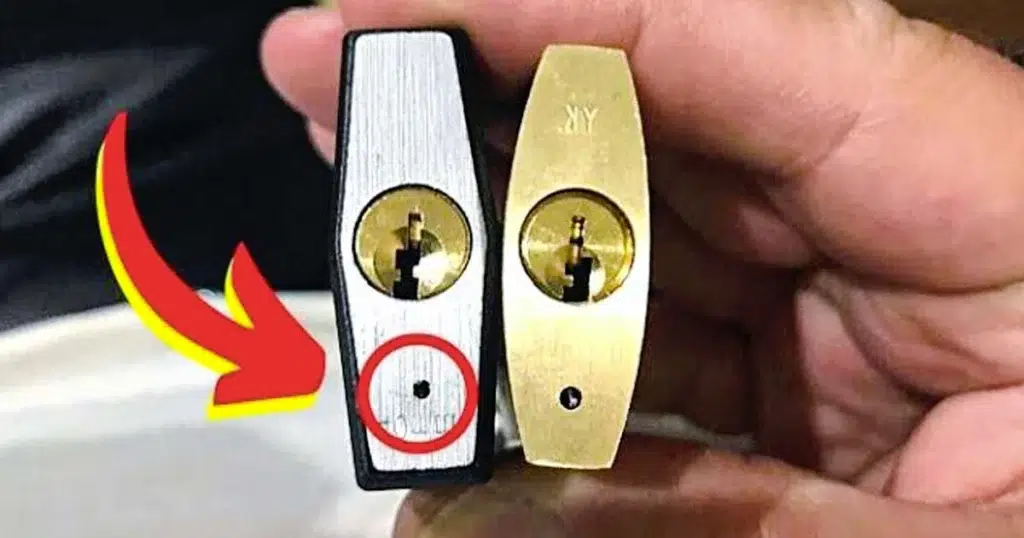
Padlocks are among the most universal security devices in the world. We use them every day to secure storage lockers, luggage straps, gates, bicycles, and toolboxes. They are designed to withstand physical force, cutting tools, and harsh outdoor weather conditions. Yet, if you examine the bottom of almost any standard brass or laminated padlock close to the keyhole, you will notice a tiny, unassuming little hole.
Most people never pay attention to it, and those who do often assume it’s just a manufacturing defect or a decorative detail. In reality, that tiny hole serves a vital engineering and maintenance purpose.
In this comprehensive guide, we will explore the real reasons why padlock manufacturers include this drainage hole, examine how security hardware and manufacturing processes intersect with home maintenance, and provide practical tips for keeping your padlocks in top working condition.
The Real Purpose of the Padlock’s Bottom Hole
While padlocks come in various sizes and brands, that small hole at the bottom near the key cylinder is intentionally engineered for two primary reasons:
1. Drainage for Rain and Moisture
Padlocks are frequently used outdoors in rain, snow, high humidity, and changing weather conditions. When rain falls or moisture builds up around the shackle, water inevitably finds its way down into the internal locking mechanism and key cylinder.
- If the padlock were completely sealed, trapped water would pool inside the metal housing.
- The bottom hole acts as a crucial drainage port, allowing water to escape freely rather than pooling and rusting the delicate internal springs and brass tumblers.
2. Lubrication and Maintenance Port
Over time, outdoor padlocks can become stiff, gritty, or difficult to turn due to accumulated dust, dirt, and oxidation.
- That same tiny hole doubles as a lubrication channel.
- Spraying a small amount of specialized lock lubricant or graphite powder through or near this port allows maintenance fluids to coat the internal mechanism, ensuring smooth operation year-round.
+------------------------------------+---------------------------------------+
| Padlock Feature Component          | Primary Functional Purpose            |
+------------------------------------+---------------------------------------+
| Bottom Drainage Hole               | Lets trapped rainwater escape         |
| Internal Drainage Pathway          | Prevents internal rust and jamming    |
| Lubrication Channel                | Allows maintenance oils inside        |
| Weather-Resistant Housing          | Protects locking tumblers outdoors    |
+------------------------------------+---------------------------------------+
Hardware Maintenance, Home Security, and Property Care
Maintaining your security equipment is an important part of overall property maintenance and asset protection.
1. Preventing Seized and Rusted Locks
A padlock that has rusted shut from trapped internal moisture is useless in an emergency. Routine maintenance prevents locks from seizing up when you need them most.
2. Insurance and Physical Security
Using well-maintained, high-quality locks on storage units, gates, and property doors ensures reliable physical security. Pairing good hardware habits with proper home or renter’s insurance coverage keeps your valuables safe and secure.
Practical Tips for Maintaining Your Padlocks
Keep your padlocks functioning smoothly and securely with these simple maintenance practices:
Lubricate Annually with Graphite or Silicone
Avoid using thick household oils or cooking sprays inside locks, as they attract dust and dirt, eventually gumming up the mechanism. Instead, use powdered graphite or a specialized silicone lock lubricant.
Clear Out Debris
If a lock feels gritty, spray a small burst of cleaner or lubricant through the keyway and let it drain out the bottom hole, wiping away any loosened dirt.
Choose Weatherproof Models for Outdoors
When securing outdoor gates or sheds, invest in weatherproof padlocks featuring protective rubber seals and stainless steel or brass components designed to resist rust.
Fascinating Facts About Security Hardware
- Ancient Locking Roots: Early predecessor designs of padlocks date back thousands of years to ancient Roman and Egyptian civilizations, where portable security was needed for traveling merchants.
- The Physics of Tumblers: Modern pin-tumbler padlocks require precision-cut keys that match internal spring-loaded pins exactly, making unauthorized picking extremely difficult.
- All-Weather Engineering: High-end security padlocks undergo rigorous salt-spray corrosion tests to ensure they withstand harsh marine and coastal environments without seizing up.
Frequently Asked Questions (FAQ)
Is the hole at the bottom of a padlock a manufacturing defect?
No, the hole is completely intentional and engineered into the padlock casing to serve as a drainage and lubrication port.
Can water get inside a padlock through the keyhole?
Yes, rainwater or moisture can enter around the shackle and keyhole, which is precisely why the bottom drainage hole is necessary to let water escape before it causes rust.
What kind of oil should I use to lubricate a padlock?
You should use specialized lock lubricant, graphite powder, or a light silicone spray. Avoid thick oils like WD-40 for long-term lubrication, as they can trap dust inside the mechanism.
Why did my outdoor padlock freeze during winter?
Freezing occurs when trapped moisture inside the lock housing turns to ice. Using a weatherproof lock or applying lock de-icer prevents winter freezing.
How can I unstick a rusted padlock?
Apply a penetrating fluid or lock lubricant, let it sit for a few minutes to break down internal rust, and gently tap the lock body to help free the internal tumblers.
Conclusion
That tiny, mysterious hole at the bottom of a padlock turns out to be a brilliant piece of practical engineering. By acting as a drainage channel for rainwater and a maintenance port for lubricants, it protects the internal mechanism from rust, freezing, and premature wear.
Take a few minutes to check your outdoor padlocks, apply a bit of proper lubricant, and keep your security hardware working flawlessly year-round!
