
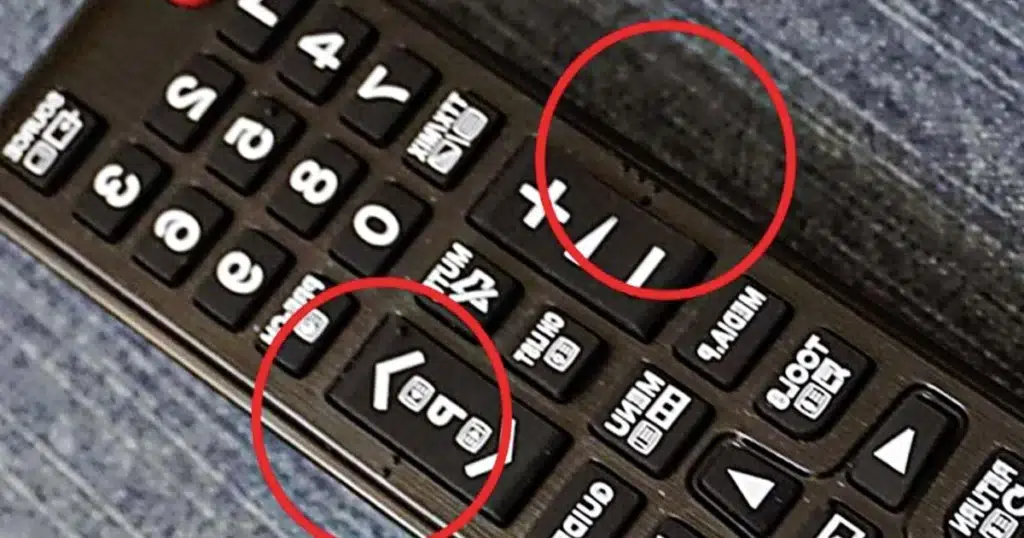
When you sit down on the couch to relax and turn on your favorite television show, you interact with one of the most familiar gadgets in modern life: the TV remote control. We use it daily to adjust the volume, change channels, navigate streaming apps, and power down our screens. Yet, despite holding remote controls in our hands thousands of times, most people never notice—or understand—the tiny, mysterious little dots or holes molded into the plastic casing near the buttons.
At first glance, it is easy to assume these tiny marks are manufacturing defects, decorative textures, or remnants from the plastic molding process. However, appliance manufacturers place them there for a very specific functional reason.
In this comprehensive guide, we will explore the real purpose behind those tiny dots on your remote control, examine how manufacturing and consumer electronics intersect with household safety and maintenance, and provide practical tips for keeping your remote controls clean and functioning properly.
The Real Purpose Behind the Tiny Plastic Dots
While remote controls vary wildly across brands like Samsung, LG, Sony, and universal manufacturers, those small dots typically serve one of two common purposes depending on their exact location:
1. Manufacturing Injection Molding Marks (Gate Marks)
The most common reason for small raised dots or tiny circular indentations on plastic electronics casing is the injection molding process.
- During manufacturing, molten plastic is injected into precision steel molds under high pressure through a small opening known as a “gate.”
- Once the plastic cools and solidifies, the excess material at the injection point is trimmed or leaves a tiny circular vestige, which appears as a small raised bump or indented dot on the finished plastic shell.
2. Hidden Microphone or Sensor Ports
In more advanced smart remotes equipped with voice control, built-in microphones, or infrared gestures, tiny holes or pinprick dots are intentionally molded into the casing to allow sound waves to travel clearly to an internal microphone diaphragm without compromising the sleek appearance of the remote body.
+------------------------------------+---------------------------------------+
| Remote Control Dot Type            | Primary Manufacturing or Functional Cause|
+------------------------------------+---------------------------------------+
| Raised Plastic Nubs                | Injection molding gate remnants       |
| Tiny Circular Indentations         | Mold ejector pin contact points       |
| Micro-Pinprick Holes               | Acoustic ports for voice microphones  |
| Textured Grip Alignments           | Ergonomic positioning markers         |
+------------------------------------+---------------------------------------+
Appliance Care, Household Hygiene, and Maintenance
Your TV remote control is one of the most frequently handled objects in your home, yet it is rarely cleaned, making it a hotspot for dust, oils, and bacteria.
1. Preventing Sticky Buttons and Grime Buildup
Over time, crumbs, natural skin oils, and dust settle into the crevices around remote control buttons and tiny casing gaps. Routine cleaning helps prevent buttons from sticking or failing to register clicks.
2. Battery Safety and Maintenance
Corroded batteries can leak alkaline chemicals that ruin internal circuit boards. Inspecting your remote’s battery compartment annually ensures long-term device reliability.
Practical Tips for Cleaning and Maintaining Your Remote Control
Keep your remotes hygienic and in pristine working condition with these simple maintenance steps:
Clean with Isopropyl Alcohol
Dampen a microfiber cloth or cotton swab with a small amount of 70% isopropyl alcohol and gently wipe down the plastic surface, buttons, and casing gaps. Avoid pouring liquids directly onto the remote.
Use Toothpicks for Crevices
For stubborn grime trapped between buttons, carefully use a wooden toothpick to dislodge debris without scratching the plastic casing.
Replace Batteries Promptly
If your remote requires hard presses to register commands, swap out old batteries immediately to prevent internal corrosion and power loss.
Fascinating Facts About Remote Controls
- The First TV Remote: The first wireless television remote, introduced by Zenith in 1950, was called “Lazy Bones,” but it was connected to the TV by a thick wire. The first truly wireless ultrasonic remote, the “Flash-Matic,” followed in 1955.
- Household Germ Hotspots: Microbiological studies frequently rank television remote controls among the dirtiest household objects due to constant handling by multiple family members.
- Infrared Technology: Standard traditional remotes communicate with televisions using invisible infrared (IR) light pulses, which you can easily test by pointing the remote at a smartphone camera and pressing a button to see the LED light flash on your screen.
Frequently Asked Questions (FAQ)
Are the tiny dots on remote controls microphones?
Some advanced voice-control remotes feature micro-holes for built-in microphones, but on standard remotes, the tiny dots are usually injection molding marks or ejector pin vestiges from the manufacturing process.
Why do some remote buttons stop working over time?
Buttons often stop working due to a buildup of dust, spilled liquids, or greasy residue accumulating on the conductive rubber pads underneath the plastic buttons.
How often should I clean my TV remote control?
It is recommended to disinfect high-touch household items like remotes, game controllers, and smartphones at least once a month using a slightly damp disinfecting wipe or isopropyl alcohol.
Can I wash my plastic remote control with water?
No. Submerging electronic remotes in water will short-circuit the internal circuit board. Always clean the exterior using a damp cloth or cotton swab.
What should I do if battery acid leaks inside my remote?
Put on gloves, remove the ruined batteries, and clean the corroded metal contacts carefully using a cotton swab dipped in white vinegar or lemon juice.
Conclusion
Those mysterious tiny dots on your remote control turn out to be simple reminders of industrial engineering—marking where molten plastic was injected into precision molds during manufacturing, or serving as acoustic ports for modern voice features.
Understanding how everyday objects are manufactured adds a touch of curiosity to our daily routines. Take a few minutes to clean your remotes, check the batteries, and enjoy your favorite shows with a spotless setup!
