
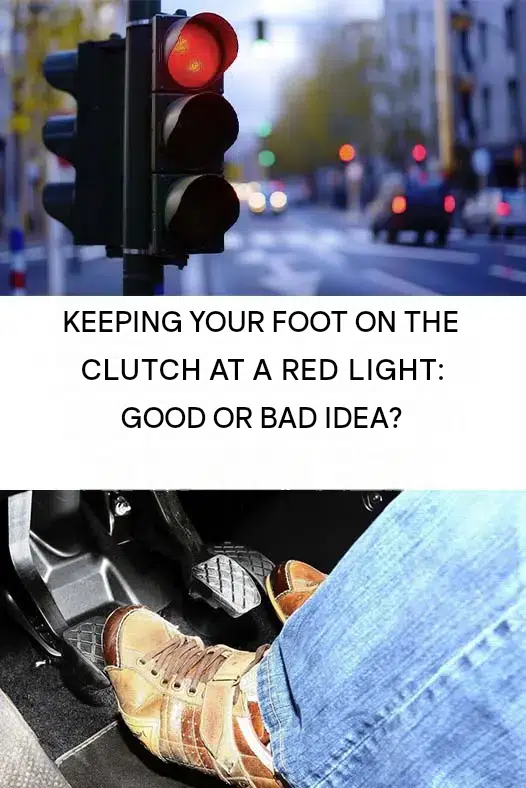
Driving a manual transmission car offers a unique sense of control, connection, and engagement with the vehicle. Mastering gear shifts, smooth acceleration, and clutch control is a rite of passage for motorists around the world. However, driving a stick shift also comes with certain bad habits that drivers develop over time without realizing the toll they take on vehicle mechanics.
One of the most common habits among manual transmission drivers is sitting at a red light with the car left in gear, the clutch pedal depressed to the floor, and their foot resting there waiting for the light to turn green. While it feels like a convenient way to make a quick getaway, it can actually cause severe, premature wear on critical car components.
In this comprehensive guide, we will explore how a car clutch works, why holding it down at traffic lights is discouraged by mechanics, and practical tips for driving and maintaining your manual vehicle.
The Mechanics of a Manual Clutch System
To understand why resting your foot on the clutch pedal causes damage, it helps to examine how the clutch assembly operates. The clutch is a mechanical system designed to connect and disconnect power transmission from the engine to the transmission gearbox.
When you press the clutch pedal down, it pushes against a component called the release bearing (or throw-out bearing), which presses on the pressure plate springs to disengage the clutch disc from the spinning engine flywheel.
Why Constant Pressure Causes Wear
When you hold the clutch pedal down at a red light, the release bearing is forced into continuous physical contact with the rotating pressure plate springs under high pressure. This creates friction, generates heat, and accelerates mechanical wear on the bearing and surrounding components.
10 Facts About Manual Transmissions and Clutch Care
1. Premature Release Bearing Wear
Constant pressure on the clutch pedal causes the release bearing to wear out much faster than normal, leading to squeaking noises and costly mechanical failures.
2. Pressure Plate and Diaphragm Fatigue
The metal fingers of the pressure plate spring can weaken or deform under continuous tension, reducing the clutch’s ability to engage cleanly.
3. The Neutral and Handbrake Alternative
The proper technique at a longer red light is to shift into neutral, release the clutch pedal completely, and use the footbrake or handbrake to hold the car stationary.
4. Reduced Repair Costs
Avoiding unnecessary clutch hovering prevents expensive premature replacements, saving hundreds or even thousands of dollars in garage repair bills.
5. Driver Leg Fatigue
Holding a heavy clutch pedal down against spring tension during long traffic stops strains your leg muscles unnecessarily.
6. Quick Reaction Times vs. Component Health
While some drivers keep the car in gear to launch faster when the light turns green, the minor time savings is not worth destroying the clutch system.
7. Reviewing Driving School Best Practices
Professional driving instructors emphasize shifting to neutral at stops as the safest and mechanically sound way to operate a manual car.
8. Protecting Transmission Longevity
Proper operating habits preserve your entire drivetrain, ensuring smoother gear shifts and extending the overall lifespan of your vehicle.
9. Upgrading Vehicle Maintenance Awareness
Being mindful of how you interact with foot pedals prevents unexpected breakdowns during daily commutes.
10. Financial and Insurance Responsibility
Taking good care of your car’s mechanical components protects your investment and ensures reliable daily transportation.
Comparison: Holding the Clutch vs. Shifting to Neutral at Stops
To help evaluate the best driving practice, review the following comparison table:
| Stopping Method | Mechanical Impact | Driver Comfort & Effort | Long-Term Cost Effect |
| Holding Clutch Down in Gear | Constant friction and pressure on the throw-out bearing. | High leg strain and fatigue during long stops. | Accelerated wear leading to expensive clutch replacements. |
| Shifting to Neutral & Releasing Pedal | Zero tension on internal clutch components; complete rest. | Relaxed posture; foot rests safely on the floorboard. | Maximizes component lifespan and protects your wallet. |
       ┌────────────────────────────────────────────────────────┘
       │         Approaching Red Light in a Manual Car          │
       └───────────────────────────┬────────────────────────────┘
                                   │
                                   ▼
       ┌────────────────────────────────────────────────────────┘
       │     Evaluating Habit: Keeping Foot on Clutch vs. Neutral│
       └───────────────────────────┬────────────────────────────┘
                                   │
                    ┌──────────────┴──────────────┐
                    ▼                             ▼
       ┌────────────────────────┐    ┌────────────────────────┐
       │ Avoid Holding Down     │    │ Shift to Neutral,      │
       │ Pedal (Causes Wear)    │    │ Release Pedal & Brake  │
       └────────────────────────┘    └────────────────────────┘
Practical Tips for Healthy Manual Driving
Modifying your daily driving routine protects your car’s transmission system:
- Adopt the Neutral Habit: As soon as you come to a complete stop at a red light or traffic jam, shift into neutral and take your foot entirely off the clutch pedal.
- Never Rest Your Foot on the Pedal: Avoid resting even the light weight of your foot on the clutch pedal while driving; this “clutch riding” slips the disc and creates continuous friction.
- Use the Handbrake on Hills: When stopped on an incline, use your handbrake rather than slipping the clutch to hold the car in place.
Financial, Insurance, and Legal Considerations
Proper vehicle operation involves practical financial awareness:
- Avoiding Hefty Repair Bills: Replacing a worn-out clutch assembly requires dropping the transmission, costing substantial labor fees. Good habits prevent this expense.
- Maintaining Resale Value: A car with a crisp, healthy clutch and smooth transmission commands a higher resale value on the used car market.
- Safe Driving Control: Shifting to neutral and keeping proper foot posture ensures you remain in complete control of your vehicle at all times.
Fascinating Facts About Manual Transmissions
- The Evolution of Shifting: The modern synchronized manual transmission was invented in the late 1920s, making gear changes smooth without requiring double-clutching.
- Global Popularity: While automatic transmissions dominate markets like North America, manual gearboxes remain exceptionally popular across Europe, Africa, and Asia for their fuel efficiency and control.
- Clutch Material: Heavy-duty clutch discs are manufactured using friction materials reinforced with woven copper, brass, or ceramic fibers designed to withstand intense heat and pressure.
Frequently Asked Questions (FAQ)
Is it bad to keep my foot on the clutch at a red light?
Yes. Holding the clutch pedal down keeps the release bearing under constant pressure and friction, which accelerates wear and can cause premature failure of the entire clutch assembly.
Should I put my car in neutral at a red light?
Yes. Shifting into neutral, releasing the clutch pedal, and using the footbrake or handbrake is the correct technique to protect your car’s mechanical components during stops.
Does resting my foot lightly on the clutch cause damage?
Yes. Even light pressure (“riding the clutch”) can partially disengage the clutch plate, causing friction, slipping, and rapid wear over time.
Conclusion: Drive with Care and Save Your Clutch
Mastering a manual transmission is an rewarding skill, but avoiding harmful habits is key to keeping your car running smoothly. By breaking the habit of holding down the clutch at red lights and shifting into neutral instead, you’ll protect your vehicle’s mechanical health, reduce fatigue, and save money on costly repairs!
