
Introduction
As winter approaches and temperatures begin to drop, many homeowners experience the unpleasant chill of cold air leaking through windows. Drafty windows can make rooms feel uncomfortable, force heating systems to work harder, and cause monthly utility bills to skyrocket. Finding simple, effective ways to seal windows without spending a fortune on costly replacements is a top priority for smart households. Viral home maintenance tricks often promise effortless solutions to keep living spaces warm and cozy during freezing weather. Understanding how to properly identify and block these drafts is essential for maximizing home comfort and energy efficiency.
The Problem With Drafty Windows
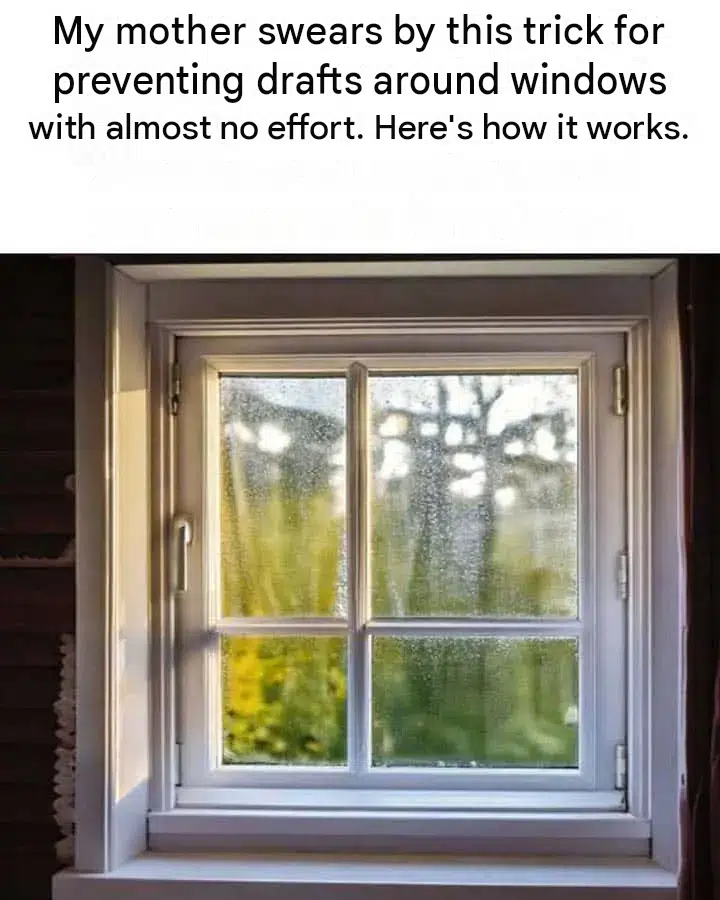
Windows are one of the most common sources of thermal loss in residential homes. Over time, seasonal temperature fluctuations cause window frames to expand and contract, degrading old rubber seals, caulking, and weatherstripping. When gaps form around the window sash or frame, cold outdoor air pushes its way inside, creating chilly drafts. Ignoring these leaks not only ruins indoor comfort but also places unnecessary strain on your heating equipment, driving up energy consumption.
Easy and Effective Ways to Stop Drafts
While various commercial weatherproofing products exist, simple household tricks and preventative maintenance can dramatically reduce heat loss.
1. Inspecting for Air Leaks
Before applying any sealing method, identify where the cold air is entering. On a windy day, slowly move a lit incense stick or your hand along the edges of the window frame. Where the smoke flickers or you feel a chill, you have located a draft.
2. Applying Weatherstripping and Caulking
For persistent gaps around moving sashes, applying fresh self-adhesive foam weatherstripping creates a tight mechanical seal when the window is closed. For stationary cracks between the frame and the wall, applying a clear, paintable silicone caulk provides a long-lasting barrier against cold air infiltration.
3. Using Insulating Window Films
Another popular and low-effort trick involves applying clear plastic shrink film over the entire window interior using double-sided tape and a hair dryer. This creates a trapped layer of insulating air that stops drafts completely.
Financial, Legal, and Energy Considerations
Maintaining a well-insulated home goes beyond simple comfort; it is a vital part of managing your household finance and protecting your property investment. High heating bills caused by drafty windows can drain your monthly budget and impact your long-term financial health.
If you rent your home and experience severe heating issues or structural window failures that landlords refuse to fix, consulting an attorney or reviewing tenant legal services can help you understand your rights. Additionally, ensuring your property is covered by adequate homeowner or renter insurance helps protect against unexpected structural damage. Managing your household business efficiently ensures your living space remains warm and cost-effective throughout the coldest months of the year.
Practical Tips for Winter Proofing
- Check Locks: Always ensure your windows are locked tightly; locking mechanisms pull the sash securely against the weatherstripping to eliminate gaps.
- Use Heavy Drapes: Hanging thermal or heavy insulated curtains over windows during freezing nights helps block radiant cold and drafts.
- Install Door Draft Stoppers: Don’t forget that exterior doors also leak cold air; pair your window efforts with a draft stopper at the base of your entry doors.
Interesting Facts About Window Insulation
- The Double-Glazing Revolution: Modern double and triple-pane windows utilize sealed gas layers (like argon) to provide built-in thermal insulation, drastically reducing heat transfer compared to older single-pane glass.
- The Physics of Drafts: Cold air is denser and heavier than warm air, which causes it to sink and create convective drafts that sweep across floors near windows.
- Historic Tricks: For centuries, historic homes utilized heavy interior wooden shutters and heavy fabric hangings specifically to combat winter drafts before modern synthetic weatherstripping was invented.
Conclusion
Drafty windows do not have to ruin your indoor comfort or inflate your heating bills. By taking a few moments to inspect your frames, apply simple weatherproofing solutions, and utilize clever household tricks, you can keep your home warm and cozy all winter long. Protecting your living space enhances your daily comfort, safeguards your valuable property investment, and keeps your household finance secure against rising energy costs.
FAQ Section
1. What is the quickest way to check for window drafts?
Moving a lit incense stick or a damp hand slowly along the edges of the window frame on a windy day is the fastest way to pinpoint where cold air is leaking in.
2. Do window insulation kits actually work?
Yes, clear plastic shrink-film kits create an airtight insulating barrier over the window glass and frame, significantly reducing drafts and heat loss.
3. Can I use regular tape to seal a drafty window?
Standard household tape or masking tape is not recommended because it leaves sticky residue, lacks thermal insulation properties, and will peel off easily under temperature changes.
4. How often should weatherstripping be replaced?
Adhesive foam weatherstripping typically compresses and loses its elasticity over time, so it should be inspected and replaced every year or two before winter arrives.
5. Why do my windows accumulate condensation in the winter?
Condensation occurs when warm, humid indoor air meets freezing cold window glass. Improving ventilation and using dehumidifiers can help reduce moisture buildup.
6. Should I consult an attorney regarding landlord heating disputes?
If a rental property fails to meet legal heating standards or has defective, dangerously drafty windows that the landlord refuses to repair, consulting a tenant rights attorney or seeking legal aid is recommended.
7. How do website owners benefit from sharing home improvement tips?
Publishing relatable lifestyle hacks and practical home guides increases reader engagement, boosts page views, and improves visibility for digital monetization and AdSense optimization.
