
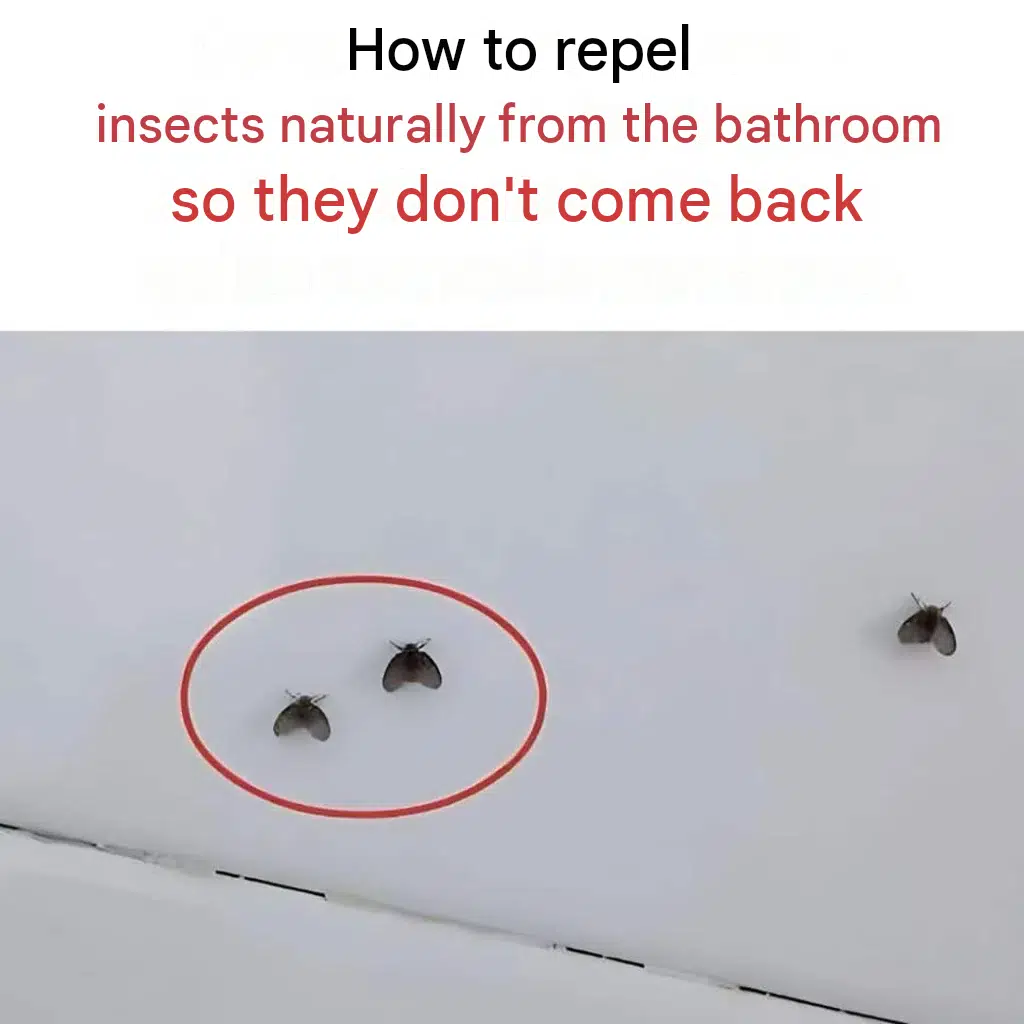
The bathroom is one of the most frequently used spaces in any home, yet its unique environment makes it a prime target for unwanted pests. Because bathrooms naturally feature high humidity, warmth, standing water, and organic residue, they provide an ideal breeding ground for various crawling and flying insects. While commercial chemical bug sprays are widely available, many homeowners prefer eco-friendly, non-toxic solutions to protect their living spaces without introducing harsh fumes.
Safeguarding your bathroom against pests doesn’t require toxic chemicals or expensive extermination services. By controlling moisture levels, sealing structural entry points, maintaining rigorous hygiene standards, and utilizing powerful natural deterrents, you can create an environment where insects cannot survive. In this comprehensive guide, we will explore the most common bathroom pests, natural prevention strategies, health considerations, financial benefits, and practical steps to keep your bathroom permanently insect-free.
1. Why Do Insects Invade Bathrooms?
To successfully repel bathroom insects, it is essential to understand what attracts them in the first place. Pests do not enter living areas at random; they seek out specific environmental conditions necessary for their survival:
- High Humidity and Moisture: Insects like drain flies, silverfish, and springtails thrive in damp environments. Leaking pipes, condensation on walls, and wet shower mats create ideal sources of hydration.
- Organic Matter and Biofilm: Drain flies feed on the gelatinous sludge (biofilm) that accumulates inside shower drains, sink pipes, and overflow channels.
- Warmth and Dark Corners: Many bathroom pests prefer dark, undisturbed areas behind toilets, under vanity cabinets, and inside damp wall cavities during daylight hours.
2. Common Natural Repellents and Essential Oils
Insects rely heavily on their sense of smell to navigate and locate nesting sites. Certain natural scents act as powerful deterrents, disrupting pest navigation without harming indoor air quality.
+-------------------------------------------------------------------+
|               Natural Bathroom Pest Repellent Matrix              |
+-------------------------------------------------------------------+
                                  |
            +---------------------+---------------------+
            |                                           |
            v                                           v
+-----------------------+                   +-----------------------+
|  Aromatic Essential Oils|                 |  Desiccating Minerals  |
| (Peppermint, Eucalyptus,|                 | (Baking Soda, White   |
|  Tea Tree, Lavender)  |                   |  Vinegar Solutions)   |
+-----------------------+                   +-----------------------+
            |                                           |
            v                                           v
+-----------------------+                   +-----------------------+
| Masks sensory trails  |                   | Cleans organic biofilm|
| and repels bugs from  |                   | and eliminates drain  |
| sink and tub zones.   |                   | breeding grounds.     |
+-----------------------+                   +-----------------------+
Essential Oils: Peppermint and Eucalyptus
Insects intensely dislike strong aromatic oils. Mixing 10 to 15 drops of pure peppermint or eucalyptus essential oil with water and a small amount of liquid soap creates a potent natural spray. Mist this solution around bathroom baseboards, window frames, and vanity corners to deter crawling invaders.
White Vinegar and Baking Soda Solutions
Pouring a mixture of boiling water, white vinegar, and baking soda down bathroom sink and shower drains once a week breaks down organic biofilm. This eliminates the food source and breeding medium for drain flies and gnats entirely.
3. Comparing Pest Control Methods for Bathrooms
| Method Type | Primary Ingredients | Safety Around Water | Environmental Impact | Cost | Long-Term Prevention |
| Essential Oil Sprays | Peppermint, Tea Tree Oil | High | Biodegradable | Low | Moderate (Requires reapplication) |
| Drain Biofilm Cleaners | Baking Soda, White Vinegar | High | Zero Toxic Runoff | Very Low | High when done weekly |
| Silicone Caulking | Moisture-resistant Silicone | High | Safe / Inert | Low | Permanent physical barrier |
| Commercial Aerosols | Synthetic Pyrethroids | Low (Confined space risk) | Chemical Runoff | Moderate | Temporary knockdown |
| Dehumidifier Units | Electric Moisture Extraction | High | Low Energy Use | High | Excellent moisture control |
4. Moisture Control and Ventilation: The Core Defense
Because moisture is the single biggest draw for bathroom insects, controlling humidity is your most powerful tool for permanent prevention.
       +-------------------------------------------------------+
       |             Bathroom Humidity Management              |
       +-------------------------------------------------------+
                                  |
                                  v
       +-------------------------------------------------------+
       |   Run Exhaust Fan During & 20 Mins After Showers      |
       +-------------------------------------------------------+
                                  |
            +---------------------+---------------------+
            |                                           |
            v                                           v
+-----------------------+                   +-----------------------+
|  Fix Plumbing Leaks   |                   | Upgrade Window & Vent |
|  (Pipes Under Sink)   |                   | Screen Mesh Density   |
+-----------------------+                   +-----------------------+
            |                                           |
            v                                           v
+-----------------------+                   +-----------------------+
| Removes standing water|                   | Prevents flying pests |
| and damp conditions.  |                   | from entering outside.|
+-----------------------+                   +-----------------------+
Optimizing Ventilation
- Always turn on your bathroom exhaust fan before taking a shower and leave it running for at least 20 minutes afterward to clear out ambient steam.
- If your bathroom lacks a window or extractor fan, consider running a compact portable dehumidifier to keep relative humidity below 50%.
Fixing Leaks and Condensation
Inspect the plumbing beneath your bathroom sink regularly. Even a minor, slow drip from a P-trap can saturate surrounding wooden cabinetry, attracting wood-boring insects, silverfish, and springtails.
5. Financial, Legal, and Property Value Considerations
Maintaining a clean, pest-free bathroom directly influences your home’s property value, maintenance expenses, and general household finance management.
Protecting Property Value and Preventing Damage
Unchecked moisture and persistent pest infestations can rot wooden vanities, loosen floor tiles, and damage drywall. Investing in minor preventative maintenance, caulking, and natural cleaning solutions prevents costly structural repairs down the road.
Rental Properties and Insurance Standards
For landlords and tenants, keeping a bathroom sanitary and pest-free is essential for meeting residential habitability standards. Standard home insurance policies do not cover damage caused by chronic neglect or unaddressed moisture issues, making proactive daily prevention a smart financial safeguard.
6. Step-by-Step DIY Natural Bathroom Pest Spray
Make your own non-toxic, refreshing bathroom bug repellent spray in minutes using simple household items.
Ingredients Needed:
- 1 cup distilled white vinegar
- 1 cup warm water
- 15 drops peppermint essential oil
- 10 drops tea tree essential oil
- 1 teaspoon mild liquid dish soap
Instructions:
- Pour the warm water and distilled white vinegar into a clean spray bottle.
- Add the peppermint and tea tree essential oils directly into the mixture.
- Add the liquid dish soap to help the oils blend smoothly with the water.
- Shake the bottle vigorously before every application.
- Spray generously around bathroom baseboards, shower perimeters, and under-sink cabinets to repel bugs naturally.
7. Interesting Facts About Bathroom Insects
- Drain Fly Lifespan: Drain flies can complete their entire lifecycle from egg to adult in under two weeks if organic sludge in pipes is left undisturbed.
- Silverfish Survival: Silverfish can survive for months without eating any food at all as long as they have access to moisture and high humidity.
- Natural Adaptations: Many common bathroom pests have existed for hundreds of millions of years, evolving specifically to exploit dark, damp micro-habitats.
- Essential Oil Efficacy: Plant-based essential oils developed over millennia to protect plants from herbivorous insects, making them naturally effective household deterrents.
8. Frequently Asked Questions (FAQ)
What are the tiny moth-like bugs often found in bathroom sinks?
Those are typically drain flies (also known as filter flies). They breed in the organic slime inside sink and shower drain pipes. Cleaning your drains with boiling water and baking soda eliminates them effectively.
How do I stop silverfish from coming out of my bathtub?
Silverfish seek moisture and smooth surfaces they cannot easily climb out of. Keep your tub dry when not in use, fix any leaky faucets, and dust food-grade diatomaceous earth around floor drains.
Are essential oil sprays safe to use around household pets?
Most diluted essential oil sprays used along baseboards are safe, but certain concentrated oils can irritate cats and dogs if ingested directly. Always ensure adequate ventilation when using aromatherapy sprays.
Can humidity alone attract bugs to my bathroom?
Yes. High humidity provides the ambient moisture that many small insects and larvae require to survive, making exhaust fans and dehumidifiers essential tools.
How often should I clean my bathroom drains to prevent pests?
Treating your bathroom drains with a natural vinegar and baking soda flush once a week prevents organic biofilm buildup and keeps drain-breeding pests away permanently.
Conclusion: Enjoy a Fresh, Pest-Free Bathroom Naturally
Keeping your bathroom free of unwanted insects does not require harsh chemical foggers or synthetic pesticides. By taking control of room humidity, sealing entry gaps, maintaining clean pipes, and utilizing refreshing natural scents like peppermint and tea tree oil, you can keep your bathroom sparkling clean and entirely pest-free.
Start implementing these simple, eco-friendly habits today to protect your home, save on maintenance costs, and enjoy a fresh, healthy living space
