
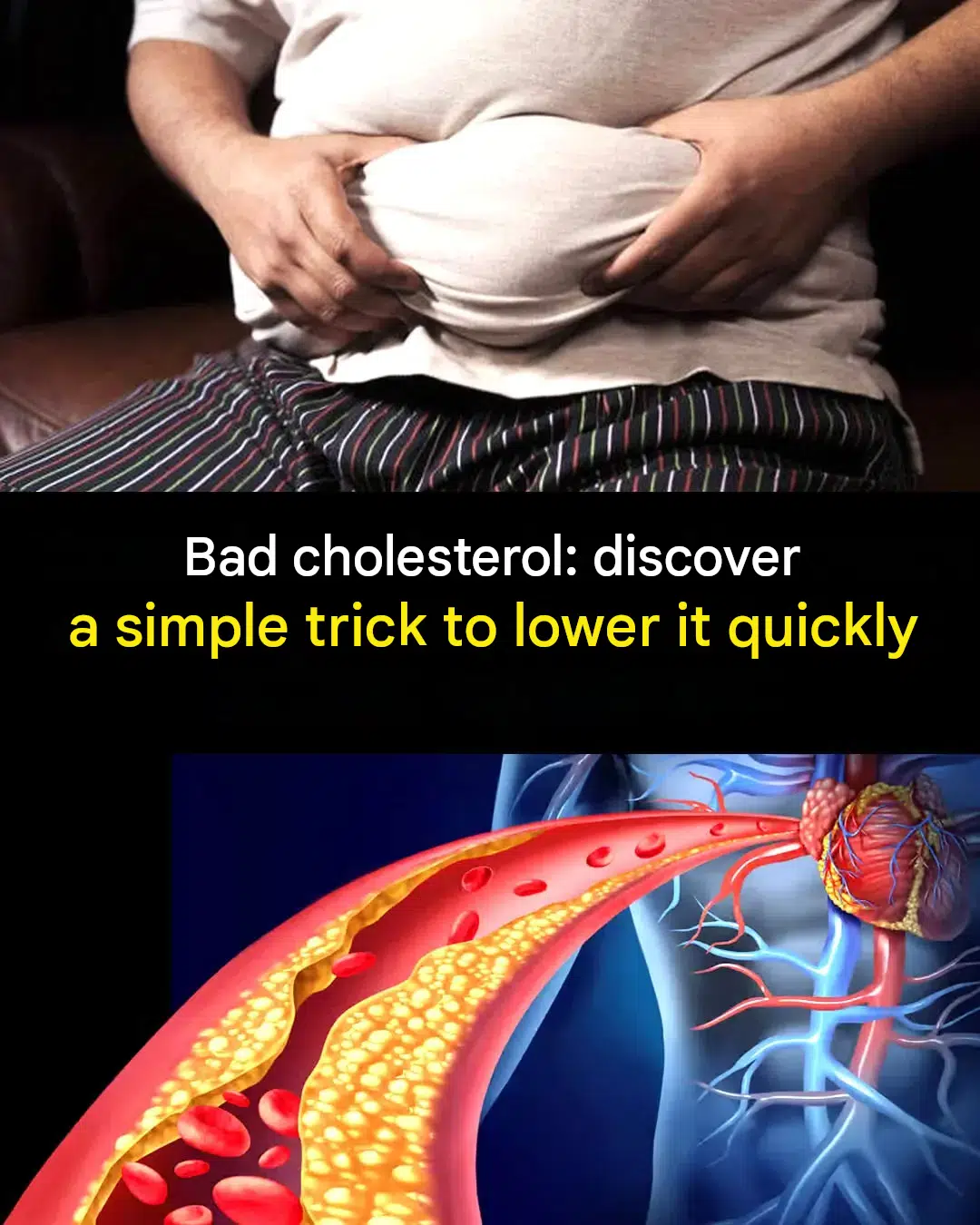
Maintaining a healthy cardiovascular system is one of the most important aspects of long-term wellness, physical vitality, and overall longevity. Among the various health metrics monitored by physicians, cholesterol levels play a critical role in determining heart health. While cholesterol is a natural substance required by the body to build cells and produce hormones, an excess of low-density lipoprotein (LDL)—commonly known as “bad” cholesterol—can lead to plaque buildup inside arterial walls, increasing the risk of heart disease and stroke.
Fortunately, managing and reducing bad cholesterol does not always require harsh medical interventions immediately. Through targeted dietary adjustments, regular physical activity, effective stress management, and heart-healthy lifestyle habits, individuals can significantly improve their lipid profiles naturally. In this comprehensive guide, we will explore the science of cholesterol, foods that protect your arteries, lifestyle routines, financial considerations, and medical safety protocols to help you maintain a healthy heart.
1. Understanding Cholesterol: Good (HDL) vs. Bad (LDL)
To effectively manage cholesterol, it helps to understand how different types of lipids circulate through the bloodstream:
- LDL (Low-Density Lipoprotein): Often referred to as “bad” cholesterol, LDL carries cholesterol particles throughout your body. Too much LDL cholesterol builds up in the walls of your blood vessels, narrowing arteries and restricting smooth blood flow.
- HDL (High-Density Lipoprotein): Known as “good” cholesterol, HDL works like a scavenger in the bloodstream, absorbing excess cholesterol and carrying it back to the liver, which flushes it from the body.
- Triglycerides: A type of fat (lipid) found in your blood. High triglyceride levels combined with high LDL cholesterol can further increase cardiovascular risks.
The Dangers of Arterial Plaque Buildup
When excess LDL cholesterol accumulates in arteries alongside calcium, cellular waste, and fibrin, it forms hard deposits called plaques (atherosclerosis). Over time, these plaques stiffen and narrow arterial pathways, forcing the heart to work harder to circulate blood and raising the likelihood of cardiovascular complications.
2. Dietary Strategies to Lower LDL Cholesterol Naturally
Dietary choices have a direct, measurable impact on blood lipid levels. Incorporating specific nutrient-dense foods while reducing harmful trans fats can rapidly improve heart health.
+-------------------------------------------------------------------+
|               Cardiovascular Nutrition Matrix                     |
+-------------------------------------------------------------------+
                                  |
            +---------------------+---------------------+
            |                                           |
            v                                           v
+-----------------------+                   +-----------------------+
|    Soluble Fibers     |                   |  Healthy Omega Fats   |
| (Oats, Beans, Lentils,|                   | (Salmon, Walnuts,     |
|  Apples, Citrus Fruits|                   |  Olive Oil, Avocados) |
+-----------------------+                   +-----------------------+
            |                                           |
            v                                           v
+-----------------------+                   +-----------------------+
| Binds to cholesterol  |                   | Lowers triglycerides  |
| in digestive tract,   |                   | and protects arterial |
| flushing it out.      |                   | walls from inflammation|
+-----------------------+                   +-----------------------+
Soluble Fiber: The Natural Cholesterol Binder
Soluble fiber acts like a sponge in your digestive tract, binding to cholesterol molecules and preventing them from entering the bloodstream:
- Oats and Barley: Rich in beta-glucan, a powerful soluble fiber known to reduce circulating LDL cholesterol levels.
- Legumes and Beans: Lentils, chickpeas, black beans, and kidney beans provide abundant fiber and plant-based protein.
- Fruits and Vegetables: Apples, pears, brussels sprouts, and flaxseeds offer high concentrations of pectin and viscous fibers that support healthy lipid metabolism.
Healthy Fats vs. Harmful Fats
- Incorporate Monounsaturated and Polyunsaturated Fats: Extra virgin olive oil, avocados, almonds, walnuts, and fatty fish (such as salmon, mackerel, and sardines) help raise protective HDL cholesterol while lowering triglycerides.
- Eliminate Trans Fats and Limit Saturated Fats: Commercially baked goods, fried fast foods, and heavily processed margarines contain artificial trans fats that spike LDL levels and decrease HDL.
3. Comparing Cholesterol Management Approaches
| Approach Type | Primary Mechanism | Speed of Results | Cost & Accessibility | Potential Side Effects |
| Soluble Fiber Diet | Binds lipids in digestive tract | Moderate (4–8 weeks) | Low / Grocery items | Mild digestive adjustment |
| Omega-3 Supplementation | Lowers triglycerides & inflammation | Moderate (6–12 weeks) | Moderate | Rare aftertaste |
| Cardiovascular Exercise | Increases HDL & improves circulation | Gradual (8–12 weeks) | Free to Low | None if done safely |
| Statin Medications | Inhibits liver cholesterol synthesis | Fast (2–4 weeks) | Variable (Insurance dependent) | Muscle aches in some users |
| Plant Sterols & Stanols | Blocks intestinal cholesterol absorption | Moderate (3–6 weeks) | Moderate | None for most people |
4. Lifestyle Habits That Support Heart Health
Diet alone is only part of the equation. Daily physical activity and stress reduction are equally vital for maintaining balanced cholesterol levels.
       +-------------------------------------------------------+
       |             Heart-Healthy Lifestyle Routine           |
       +-------------------------------------------------------+
                                  |
                                  v
       +-------------------------------------------------------+
       |    Regular Aerobic Exercise (30 Mins / 5 Days a Week) |
       +-------------------------------------------------------+
                                  |
            +---------------------+---------------------+
            |                                           |
            v                                           v
+-----------------------+                   +-----------------------+
|  Weight Management    |                   |  Stress & Sleep Control|
| (Reduces visceral fat |                   | (Lowers cortisol and  |
|  and systemic strain) |                   |  blood pressure)      |
+-----------------------+                   +-----------------------+
The Role of Physical Activity
Engaging in moderate aerobic exercise for at least 30 minutes five days a week stimulates the body to produce higher levels of HDL cholesterol:
- Brisk walking, jogging, cycling, swimming, and dancing effectively strengthen cardiac muscles and improve blood vessel elasticity.
- Strength training two times a week helps manage body weight and supports healthy metabolic function.
Stress, Sleep, and Cortisol
Chronic emotional stress and sleep deprivation trigger elevated levels of cortisol and adrenaline, which can negatively influence blood pressure and lipid metabolism. Prioritizing 7 to 8 hours of quality sleep nightly and practicing mindfulness, yoga, or deep-breathing exercises protects cardiovascular well-being.
5. Financial, Insurance, and Healthcare Considerations
Managing chronic health markers like high cholesterol involves practical intersections with personal finance, healthcare budgeting, and health insurance policies.
Healthcare Costs and Preventive Care
Routine lipid panel blood tests are essential for catching rising LDL levels early. Most standard health insurance plans cover preventive annual physical examinations and basic cholesterol screenings entirely out-of-pocket, saving patients from expensive long-term medical treatments.
Investing in Quality Nutrition
While purchasing fresh organic produce, wild-caught fish, and wholesome grains requires a slight shift in household grocery budgeting, investing in preventive nutrition significantly reduces future medical bills, prescription drug expenses, and potential emergency loan needs for unexpected cardiac procedures.
6. Safety Standards and Medical Supervision
Before making drastic changes to your diet or starting intensive physical regimens, consulting qualified medical professionals is essential.
Consulting Your Physician
- Personalized Targets: Ideal cholesterol thresholds vary depending on family history, age, blood pressure, and existing health conditions. A qualified attorney or legal representative isn’t needed here, but a trusted primary care physician or medical specialist is vital for interpreting lab results accurately.
- Medication Adherence: If a physician prescribes statins or other lipid-lowering medications, never discontinue them abruptly without medical supervision.
7. Fast Facts About Cholesterol and Heart Health
- Liver Production: Approximately 80% of the cholesterol in your body is produced naturally by your liver; the remaining 20% comes directly from dietary intake.
- Silent Condition: High cholesterol has virtually no outward physical symptoms, which is why regular blood testing is often referred to as the only reliable detection method.
- Plant Sterol Power: Consuming plant sterols and stanols found in fortified foods can block the intestinal absorption of dietary cholesterol by up to 10%.
- Historical Discovery: The medical understanding of atherosclerosis and blood cholesterol dates back to early 20th-century pathology research by Russian scientist Nikolai Anitschkow.
8. Frequently Asked Questions (FAQ)
What is considered a healthy LDL cholesterol level?
Generally, an optimal LDL cholesterol level for healthy adults is below 100 mg/dL. However, specific target ranges vary based on individual cardiovascular risk factors determined during your medical checkup.
Can eating eggs raise my bad cholesterol?
For most people, dietary cholesterol from eggs has a minimal impact on blood cholesterol levels compared to saturated and trans fats. Moderation and overall diet quality remain key factors.
How quickly can lifestyle changes lower cholesterol?
Commitment to a heart-healthy diet, regular exercise, and weight management can begin showing positive improvements on blood lipid panels within 6 to 12 weeks of consistent application.
Are there any natural supplements that help reduce cholesterol?
Plant sterols, psyllium husk fiber, red yeast rice, and omega-3 fatty acid supplements are widely studied for supporting healthy cholesterol levels. Always discuss supplements with your doctor before starting.
Why is HDL considered “good” cholesterol?
HDL is designated as good cholesterol because it acts as a transport mechanism, gathering excess cholesterol deposits from arterial walls and carrying them back to the liver for safe elimination.
Conclusion: Take Charge of Your Heart Health Today
Lowering bad cholesterol and protecting your cardiovascular system is an achievable goal that begins with small, daily choices. By prioritizing soluble fiber, healthy fats, regular aerobic exercise, and routine medical checkups, you can actively reduce plaque buildup and support lifelong wellness.
Start making heart-healthy changes today, consult your healthcare provider to check your numbers, and take confident steps toward a vibrant, energetic future!
