
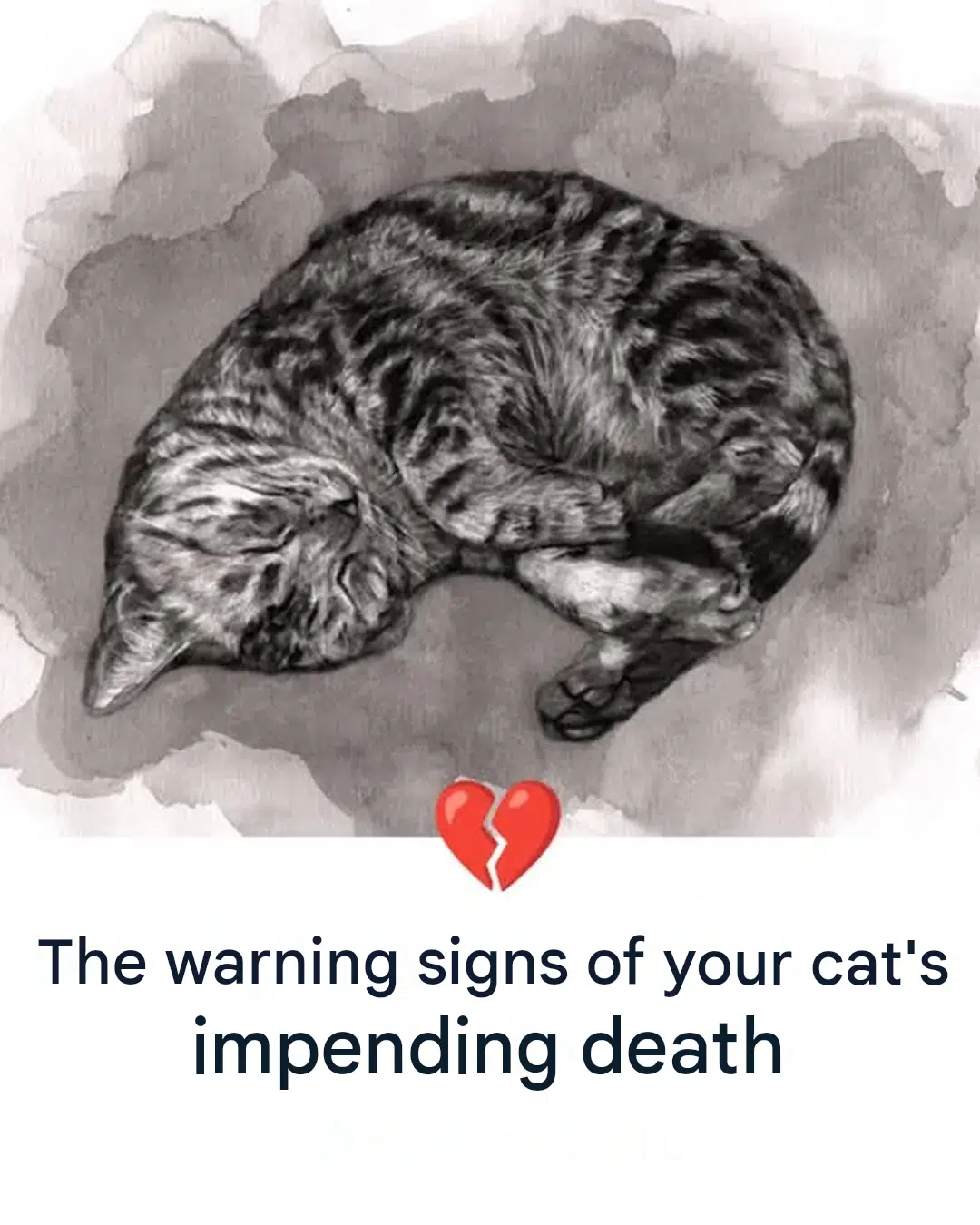
Saying goodbye to a cherished pet is one of the most emotional journeys any cat owner will ever face. Cats are remarkably resilient creatures, but they are also masters at concealing physical pain and discomfort. Inherited from their wild ancestors, this instinct prevents them from showing vulnerability to potential predators. Consequently, when a senior cat reaches the final stage of life, subtle shifts in behavioral patterns, physiological habits, and daily energy levels may be the only clues available to dedicated caregivers.
Understanding these critical warning signs allows cat owners to provide compassionate palliative care, ensure maximum comfort, adjust living spaces, and consult veterinary professionals in a timely manner. In this comprehensive guide, we examine the major clinical, behavioral, and physical indicators that signify a cat may be approaching the end of life, while offering actionable advice on hospice care, emotional support, and end-of-life planning.
Behavioral and Social Changes in Aging Cats
As a feline’s health declines, noticeable transformations in social behavior and personality traits often occur. These changes stem from altered metabolic functions, cognitive changes, or reduced physical energy reserves.
Seeking Solitude vs. Extreme Clinginess
One of the most widely reported behaviors in dying cats is a sudden desire for isolation. Cats nearing the end of life frequently seek out dark, quiet, and secluded areas—such as underneath beds, inside closets, or in subterranean corners of the home. This natural instinct allows them to feel safe and undisturbed when their body feels weak.
Conversely, some senior cats exhibit the opposite behavior: an intense need for constant human closeness. A cat that was previously independent may become extremely clingy, demanding continuous gentle contact, quiet soothing vocalizations, and physical proximity to their primary caregiver.
Cognitive Dysfunction and Disorientation
Similar to humans, aging cats can experience cognitive decline, known as Feline Cognitive Dysfunction (FCD). Symptoms of advanced cognitive decline include:
- Disorientation: Wandering aimlessly around familiar living areas or getting trapped in corners.
- Altered Sleep-Wake Cycles: Pacing, crying, or restless vocalization during late night hours.
- Loss of Spatial Awareness: Difficulty navigating stairs, misjudging jump distances, or staring blankly at walls.
Physical and Physiological Warning Signs
In addition to behavioral shifts, physical changes offer concrete clues regarding an aging cat’s overall health state. Monitoring these clinical signs provides crucial information for veterinary evaluations and pain management interventions.
Severe Lethargy and Reduced Mobility
As internal organ systems begin to slow down, body energy drops drastically. Senior cats in their final stage of life spend the vast majority of the day sleeping or resting in a deeply immobile posture. They may lose interest in climbing onto favorite perches, playing with toys, or moving across rooms.
+-------------------------------------------------------------------------+
|                  PROGRESSION OF PHYSICAL VITALITY                      |
+-------------------------------------------------------------------------+
| EARLY STAGE : Minor stiffness, reduced jumping, increased sleeping      |
| MID STAGE   : Difficulty reaching litter box, muscle wasting, coat loss |
| LATE STAGE  : Complete immobility, shallow breathing, hypothermia      |
+-------------------------------------------------------------------------+
Drastic Changes in Appetite and Hydration
A marked reduction in food and water consumption is a classic sign of end-of-life progression. As internal organs—such as the kidneys, liver, or digestive tract—begin to fail, the body loses its ability to process nourishment properly.
| Indicator | Early Manifestation | Advanced Stage |
| Appetite | Skipping meals or picking at food | Complete refusal to eat (anorexia) |
| Hydration | Reduced water intake from bowls | Refusal of liquids, leading to skin tenting |
| Weight | Gradual loss of muscle mass along spine | Rapid weight loss, sunken eyes, muscle wasting |
When a cat stops drinking water altogether, dehydration sets in quickly. Caregivers can check for dehydration by gently pinching the skin at the back of the neck; if the skin remains tented rather than snapping back instantly, severe fluid loss is present.
Key Physiological Changes to Monitor
To help pet owners identify critical clinical changes, veterinarians focus on key vital indicators that signal serious systemic decline.
1. Drop in Body Temperature (Hypothermia)
As cardiac output weakens, circulating blood flow decreases to extremities like ears, paws, and tail tips. A healthy cat maintains a rectal temperature between 100.5°F and 102.5°F. In final stages, body temperature can drop significantly below normal levels, causing paws to feel cool to the touch.
2. Altered Breathing Patterns
Respiration rates and depth often shift dramatically:
- Labored Breathing: Heavy abdominal movements, open-mouth panting, or audible rattling noises during inhalation.
- Irregular Rhythm: Rapid shallow breaths alternating with extended pauses between inhalations (Cheyne-Stokes breathing).
3. Changes in Coat Condition and Self-Grooming
Grooming requires significant physical effort. Sick or dying cats usually cease self-grooming entirely, resulting in matted, dull, or unkempt fur. Additionally, skin may lose elasticity, and dander may accumulate along the lower spine.
Financial, Insurance, and Veterinary Care Planning
Navigating senior pet care involves administrative, medical, and financial considerations. Preparing in advance helps families focus entirely on comfort and quality of life.
Pet Insurance and Senior Health Coverage
For owners with comprehensive pet insurance policies, senior health add-ons or wellness riders may assist in covering costly palliative medications, prescription pain relievers, subcutaneous fluids, and home veterinary consultations. It is beneficial to review policy parameters regarding end-of-life care coverage, emergency veterinary services, and hospice care reimbursements.
Veterinary Consultation and Quality of Life Metrics
Veterinarians often utilize standardized assessment metrics—such as the HHHHHMM Scale (Hurt, Hunger, Hydration, Hygiene, Happiness, Mobility, More Good Days than Bad Days)—to evaluate a senior pet’s overall well-being.
- Hurt: Is pain adequately managed with veterinary medications?
- Hunger: Is the cat receiving sufficient nutrition, naturally or via assistance?
- Hydration: Are fluid levels stable?
- Hygiene: Can the cat stay dry, clean, and free of pressure sores?
- Happiness: Does the cat express joy, affection, or interest in surroundings?
- Mobility: Can the cat move independently or reach resting areas?
- More Good Days than Bad Days: Do positive moments outweigh painful or distressing days?
Practical Steps to Provide Palliative Comfort at Home
Creating a soothing, stress-free environment ensures maximum comfort for aging cats during their golden years.
                  +-----------------------------------------+
                  |    HOME HOSPICE COMFORT ARRANGEMENT     |
                  +-----------------------------------------+
                                       |
       +-------------------------------+-------------------------------+
       |                                                               |
       v                                                               v
  [ ACCESSIBILITY ]                                            [ ENVIRONMENT ]
  +-----------------------------------+                       +-----------------------------------+
  | • Low-entry litter boxes nearby   |                       | • Warm orthopedic heating pads    |
  | • Food/water raised to neck height|                       | • Quiet, low-traffic home area    |
  | • Non-slip rugs on tile flooring  |                       | • Soft ambient lighting & music   |
  +-----------------------------------+                       +-----------------------------------+
Creating an Accessible Rest Space
- Low-Sided Litter Boxes: Replace standard high-rimmed litter boxes with low-entry trays so senior cats do not need to leap or strain inflamed joints.
- Orthopedic Bedding: Provide thick, supportive beds line with washable, ultra-soft fleece blankets.
- Gentle Temperature Regulation: Place safe, low-voltage heating pads under bedding to help maintain body heat during cold weather.
Gentle Maintenance and Hygiene
- Wiping Eyes and Nose: Use warm, damp cotton balls to clear natural discharge from eyes and nostrils.
- Dry Shampooing & Soft Brushing: Use soft-bristled brushes to remove loose fur without causing joint discomfort.
- Spot Cleaning: Keep resting areas sanitized and clean to prevent skin irritation from accidental incontinence.
Fascinating Facts About Feline Biology and Longevity
- Extended Feline Lifespans: Thanks to modern veterinary medicine, balanced high-quality nutrition, and indoor living, domestic cats frequently live past 15 to 20 years.
- Purring as a Healing Mechanism: While purring usually signals contentment, cats also purr when stressed, injured, or facing end-of-life stages as a self-soothing mechanism that releases natural endorphins.
- The Sensitivity of Feline Whiskers: Cat whiskers are so sensitive that even mild pressure against food bowls can cause “whisker fatigue,” leading senior cats to prefer wide, flat plates.
- Feline Hearing Acuity: A cat’s ear contains 32 individual muscles, allowing them to detect high-frequency sounds far beyond human capacity—making quiet environments critical during palliative care.
Conclusion
Observing the gradual decline of a beloved cat is an emotionally taxing journey, but recognizing these physical and behavioral warning signs empowers owners to respond with grace, deep empathy, and attentive care. By working closely with a trusted veterinarian, implementing home hospice comfort strategies, managing pain effectively, and providing a quiet, loving atmosphere, you can ensure your faithful companion experiences peaceful, dignified final stages. The deep bond shared between a cat and their caregiver is preserved through thoughtful, loving actions taken during these tender moments.
Frequently Asked Questions (FAQ)
What should I do if my senior cat stops eating completely?
If your cat refuses food for more than 24 hours, contact your veterinarian immediately. Complete anorexia can lead to hepatic lipidosis (fatty liver disease) and indicates severe underlying physical distress or organ dysfunction.
Do cats purr when they are in pain or dying?
Yes. Cats generate low-frequency purring vibrations not only when happy, but also as a self-soothing mechanism to ease pain, lower heart rates, and alleviate anxiety during stress or illness.
How can I make my home more comfortable for a dying cat?
Keep essential supplies—including food, water, soft orthopedic bedding, and low-sided litter boxes—in a warm, quiet room with minimal foot traffic. Avoid making drastic furniture rearrangements, which can confuse or disorient an aging pet.
Is in-home euthanasia a better option for senior cats?
In-home veterinary hospice and euthanasia services allow cats to remain in peaceful, familiar surroundings surrounded by family, eliminating the stress and anxiety associated with carrier transport and clinic visits.
How do I know if my cat is in pain if they don’t cry out?
Cats rarely vocalize pain loudly. Instead, subtle signs of pain include squinted eyes, flattened ears, hunched posture, unwillingness to move, rapid breathing, unexpected aggression when touched, or complete social withdrawal.
