
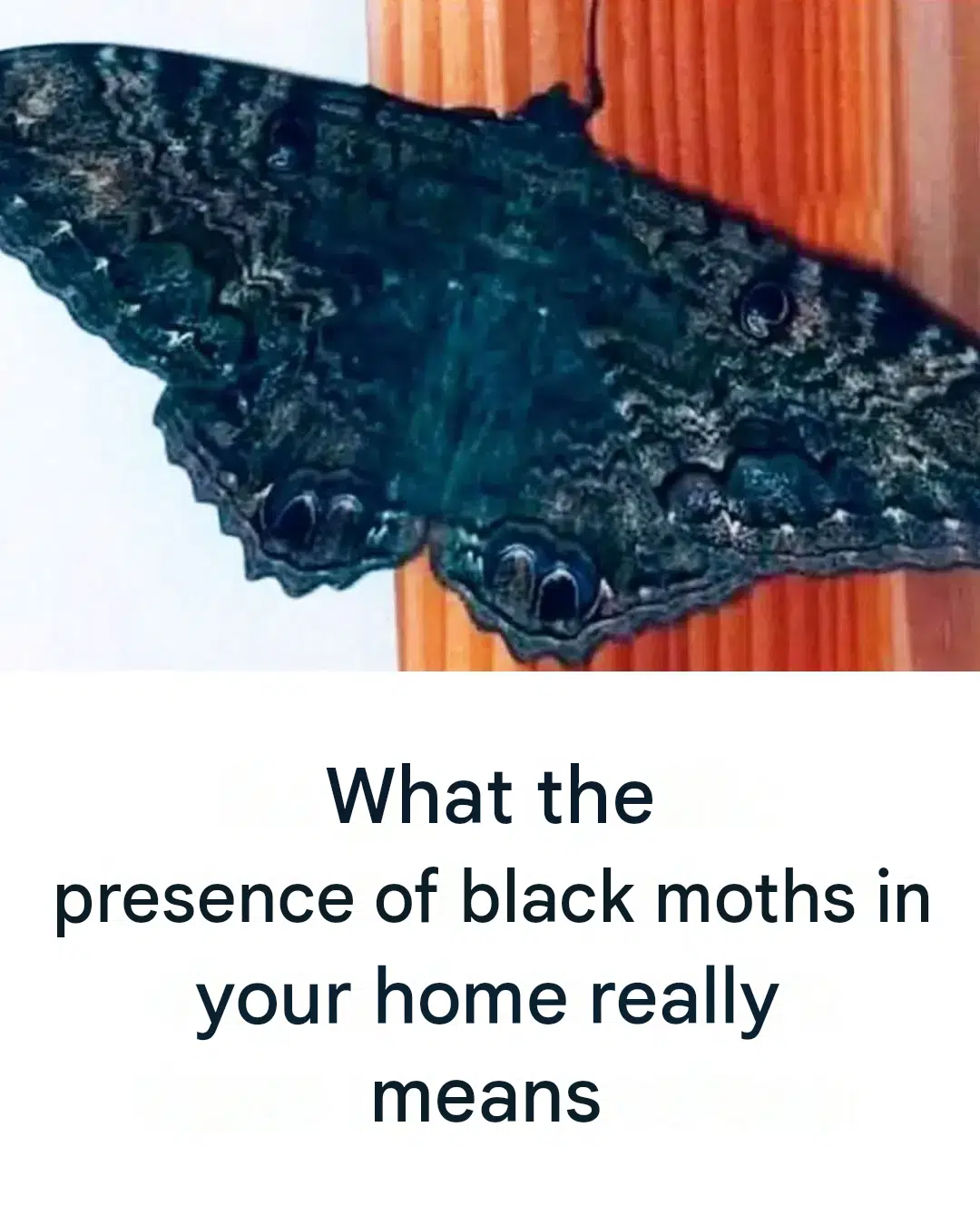
Finding a large, velvety black moth resting on a doorframe, ceiling corner, or window screen inside your home can be a striking and surprising encounter. With their massive wingspans, intricate dark patterns, and silent nocturnal flight, these mysterious creatures have captured the human imagination for millennia. Across various cultures and eras, the unexpected arrival of a black moth indoors has elicited everything from superstition and fear to fascination and spiritual reverence.
Beyond folklore, however, lies a fascinating biological reality. Moths are vital pollinators and key components of global ecosystems. Understanding why these nocturnal insects enter residential living spaces involves examining environmental biology, pest control dynamics, home maintenance factors, and cultural history.
In this comprehensive guide, we will explore the spiritual and folklore interpretations of dark moths across different traditions, unpack the scientific reasons behind their presence, assess potential home impact, and offer practical, eco-friendly strategies to keep your home comfortable and pest-free.
Cultural Symbolism and Folklore Around Black Moths
Throughout human history, dark-winged insects have held significant symbolic weight in folklore worldwide. Because moths operate predominantly under the cover of night, many ancient cultures linked them to the unseen world, mystery, and personal transformation.
Mythological Interpretations and Omens
In various global traditions, the appearance of a dark moth indoors carries distinct meanings:
- Mesoamerican Traditions: In parts of Central and South America, the giant black witch moth (Ascalapha odorata) is known historically as mariposa de la muerte (butterfly of death). While old folk tales framed its appearance as an omen of bad luck, modern cultural perspectives view it simply as a harmless harbinger of seasonal weather shifts.
- Celtic and European Folklore: In old European folklore, moths entering homes were often regarded as visiting spirits of ancestors or messengers delivering subtle warnings about impending household changes.
- Asian Spiritual Symbolism: In several East Asian cultures, nocturnal moths appearing during specific lunar periods are thought to represent soul visits from loved ones, warranting gentle treatment rather than harm.
Symbols of Transformation and Inner Growth
From a symbolic perspective, a moth’s metamorphosis—from a crawling caterpillar into a winged nocturnal navigator—represents profound personal transformation. The moth’s instinctual drive to seek light in total darkness serves as a classic metaphor for resilience, intuition, self-discovery, and overcoming life challenges.
The Biological Science: Why Moths Enter Homes
While ancient myths focus on symbolism, entomology provides clear scientific explanations for why black moths end up inside human habitations. Moths do not intentionally invade homes to cause distress; rather, modern residential environments accidentally trigger their natural navigational systems.
Phototaxis and Artificial Lighting
The primary reason moths fly indoors is a phenomenon known as positive phototaxis. Moths rely on celestial navigation—using natural moonlight and star patterns—to orient themselves while flying at night.
                      +---------------------------------------+
                      |     MOTHS & ARTIFICIAL LIGHTING       |
                      +---------------------------------------+
                                          |
                   +----------------------+----------------------+
                   |                                             |
                   v                                             v
       [ CELESTIAL NAVIGATION ]                       [ ARTIFICIAL INTERFERENCE ]
  +---------------------------------+            +---------------------------------+
  | • Moon/Stars stay at fixed angle|            | • Porch/window lights close by  |
  | • Enables straight flight path  |            | • Constant angle shifts rapidly |
  | • Natural nocturnal orienting   |            | • Flight spirals inward to light|
  +---------------------------------+            +---------------------------------+
When artificial porch lights, exterior LEDs, or bright indoor lamps shine through open windows, they disrupt the moth’s internal compass. The insect attempts to maintain a constant angle relative to the light source, causing its flight path to spiral inward toward the lamp or window opening.
Seeking Shelter and Ideal Microclimates
Extreme exterior conditions push insects toward human structures:
- Temperature Regulation: During heatwaves or unseasonably cold nights, air-conditioned or climate-controlled interior spaces offer stable temperatures.
- Humidity and Water Sources: Indoor areas with elevated humidity—such as kitchens, basements, or laundry rooms—draw nocturnal insects seeking moisture.
- Predator Avoidance: Bright exterior lights attract bats, birds, and spiders; indoor spaces provide quiet hiding spots away from nocturnal predators.
Differentiating Harmless Visitors from Household Pests
Not all moths pose a threat to home belongings. Distinguishing between harmless wild species that accidentally stray indoors and destructive pantry or fabric pests is critical for effective home management.
Large Wild Moths vs. Destructive Household Pests
| Category | Size & Appearance | Primary Food Source | Potential Household Damage |
| Wild Dark Moths (e.g., Black Witch, Underwing) | Large wingspan (2 to 6+ inches), dark intricate patterns | Tree sap, overripe fruit, nectar | Zero damage; completely harmless to fabrics & food |
| Pantry Moths (e.g., Indian Meal Moth) | Small wingspan (0.5 to 0.75 inches), dull reddish-brown | Grains, flour, pet food, dried spices | Contaminates stored kitchen foodstuffs |
| Clothes Moths (e.g., Webbing Clothes Moth) | Very small (0.25 to 0.5 inches), pale gold or gray-brown | Natural fibers (wool, silk, cashmere, feathers) | Eats holes in expensive wardrobe items |
Most large black moths spotted resting on walls or ceilings fall under the wild category. They do not eat natural fabric fibers, chew through carpets, or infest pantry cabinets.
Financial, Legal, and Property Insurance Considerations
While an occasional wild moth causes no financial harm, persistent indoor insect infestations can have broader economic and legal implications for homeowners and renters.
Property Maintenance and Real Estate Value
Sustained pest activity often signals underlying structural vulnerabilities in a building, such as deteriorating window seals, damaged fascia boards, or cracked foundation vents. Addressing these structural issues early prevents moisture accumulation, wood rot, and secondary pest invasions that could hurt home resale value.
Renters’ Legal Rights and Landlord Obligations
For tenants living in rental properties, persistent insect infestations can spark legal questions regarding habitability standards:
- Landlord Responsibilities: Local housing codes generally require property owners to maintain structural integrity, functional window screens, and pest-free environments.
- Tenant Responsibilities: Renters are typically expected to maintain clean kitchen conditions, dispose of trash promptly, and report structural entry points in a timely manner.
- Legal Services and Mediation: When landlord-tenant disputes arise over costly extermination bills, consulting legal services or local housing mediation boards helps clarify lease obligations.
Practical, Eco-Friendly Prevention Strategies
If you prefer to keep nocturnal insects outside without using harsh chemical pesticides, several gentle, effective prevention measures can be implemented quickly.
+-----------------------------------------------------------------------+
|                     NATURAL MOTH PREVENTION STEPS                     |
+-----------------------------------------------------------------------+
| STEP 1 : Upgrade exterior lighting to yellow bug lights or warm LEDs  |
| STEP 2 : Inspect and repair torn window screens and weather-stripping |
| STEP 3 : Seal gaps around exterior doors, pipe entryways, and vents   |
| STEP 4 : Use natural deterrents like cedar blocks or lavender oils     |
+-----------------------------------------------------------------------+
1. Optimize Exterior Lighting
- Switch Bulbs: Replace bright white incandescent or halogen outdoor bulbs with warm yellow LED “bug lights.” Yellow wavelengths are significantly less attractive to nocturnal insects.
- Motion Sensors: Install motion-activated exterior lighting rather than leaving fixtures illuminated continuously all night.
2. Reinforce Home Entry Points
- Inspect Window Screens: Repair small tears or gaps in window and door screens where nocturnal insects can slip through.
- Install Door Sweeps: Ensure exterior doors fit snugly against thresholds using heavy-duty rubber weather-stripping or door sweeps.
3. Deploy Natural Repellents
- Cedarwood Protectors: Place natural cedar blocks or rings in closets and entryways; the natural aromatic oils deter flying insects.
- Essential Oils: Lavender, peppermint, and eucalyptus oils mixed with water make effective, pleasant-smelling natural sprays for exterior window sills.
Fascinating Facts About Moths and Nocturnal Wildlife
- Acoustic Defense Mechanisms: Certain moth species possess specialized auditory organs capable of detecting bat echolocation calls, allowing them to perform evasive mid-air maneuvers in complete darkness.
- Moth vs. Butterfly Diversity: Moths vastly outnumber butterflies; scientists estimate there are over 160,000 species of moths worldwide, compared to roughly 17,500 species of butterflies.
- Important Nocturnal Pollinators: While bees dominate daytime pollination, moths play a crucial role in pollinating night-blooming flowers, crops, and wild fruit trees under moonlight.
- Velvety Wing Scales: The delicate “dust” that rubs off a moth’s wings consists of thousands of microscopic modified scales that provide camouflage, thermal insulation, and aerodynamic stability.
Conclusion
Encountering a large black moth inside your home is rarely a cause for concern. Far from being a destructive pest or a sinister omen, a dark moth indoors is usually a harmless wild traveler temporarily thrown off course by modern indoor lights or seeking refuge from outdoor weather. By understanding the science behind their attraction to human living spaces, taking basic home-sealing precautions, and adjusting exterior lighting, you can peacefully coexist with these fascinating nocturnal pollinators while keeping your home comfortable, secure, and energy-efficient.
Frequently Asked Questions (FAQ)
Are large black moths dangerous to humans or pets?
No. Large black moths do not sting, bite, or carry diseases harmful to humans or pets. They possess no venom and are completely non-toxic.
Will a black moth destroy my clothes or furniture?
No. Large wild black moths feed on nectar, tree sap, or decaying fruit in nature. Only tiny specific moth species—such as the webbing clothes moth—eat natural animal fibers like wool, silk, or fur.
How should I safely remove a large moth from my house?
The gentlest way to remove a large moth is to trap it against a flat wall using a clear glass container or small box, slide a piece of sturdy cardboard underneath to secure the opening, and release the insect outdoors in a quiet, dark garden area.
Why do moths fly directly toward lights and light bulbs?
Moths use bright celestial light sources (like the moon) to navigate at night. Artificial bulbs confuse their internal navigation system, causing them to constantly adjust their flight path until they spiral inward toward the light source.
What is the best natural scent to deter moths?
Natural scents like cedarwood, lavender, dried clove, and peppermint serve as effective, non-toxic deterrents for moths without requiring harsh chemical sprays indoors.
