
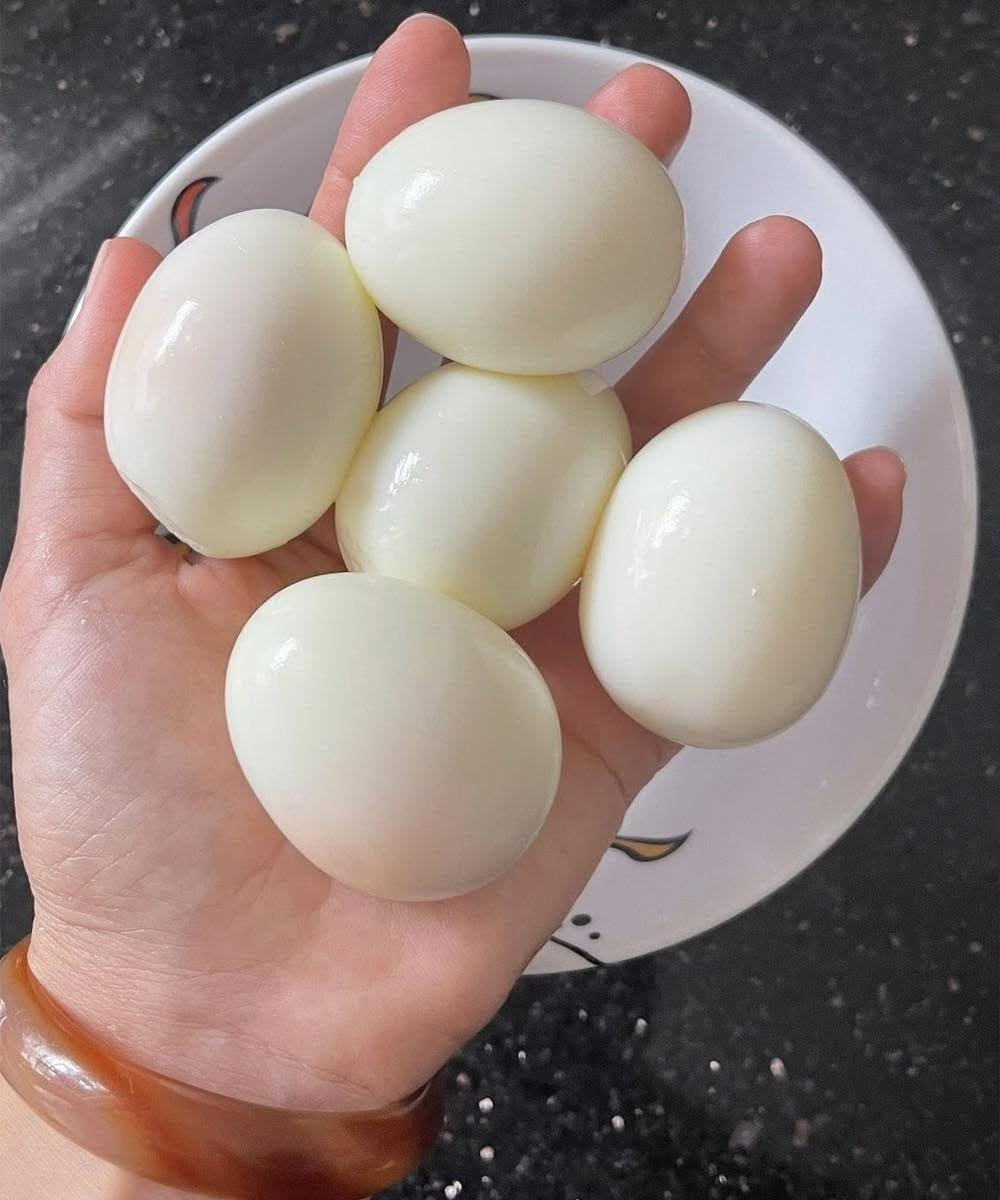
Introduction
Eggs have long been celebrated as one of nature’s most nutrient-dense superfoods. Economical, versatile, and packed with high-quality protein, they are a staple in kitchens across the globe. Whether incorporated into breakfast bowls, sliced over salads, or enjoyed as a quick, protein-packed snack, hard-boiled eggs provide an incredible array of health benefits. In an era where individuals are increasingly mindful of physical Health, balanced nutrition, and preventative wellness, understanding the complete nutritional profile of everyday foods is more important than ever.
Beyond personal fitness and dietary choices, managing overall household wellness often ties into broader financial and planning goals, such as securing family Insurance, organizing household Finance, or reviewing long-term Investment and Retirement strategies. After all, investing in your physical vitality provides the foundation for enjoying the fruits of your labor. In this comprehensive guide, we will explore the nutritional science behind hard-boiled eggs, the culinary secrets to cooking them perfectly every time, health implications, and creative ways to incorporate them into your daily diet.
The Nutritional Profile of Eggs
Eggs are frequently referred to as “nature’s multivitamin” due to their impressive concentration of essential vitamins, minerals, and macronutrients.
Macronutrients: High-Quality Protein and Healthy Fats
- Complete Protein: A single large egg contains about 6 grams of high-quality protein, providing all nine essential amino acids required by the human body for tissue repair, muscle growth, and immune function.
- Healthy Fats: While the yolk contains fats, the majority are heart-healthy monounsaturated and polyunsaturated fats, along with essential fatty acids.
Essential Vitamins and Minerals
- Choline: Eggs are one of the best dietary sources of choline, a vital nutrient that supports brain development, liver function, and cellular membrane integrity.
- Vitamin D and B-Vitamins: Eggs provide natural Vitamin D for bone health, alongside B12 and riboflavin, which support cellular energy production.
- Lutein and Zeaxanthin: These powerful antioxidants concentrate in the eyes, protecting ocular tissues from age-related macular degeneration and oxidative stress.
Culinary Science: How to Boil the Perfect Egg
While boiling an egg sounds simple, achieving the ideal texture—firm whites and creamy, bright yellow yolks without the dreaded gray-green sulfur ring—requires precise temperature control.
Step-by-Step Perfection
- Start with Cold Water or Boiling Water: You can place eggs in a single layer in a saucepan and cover them with cold water, or gently lower them into already boiling water. Lowering into boiling water often makes peeling significantly easier.
- Control the Cook Time:
- 6 Minutes: Soft-boiled with a runny yolk.
- 8 to 9 Minutes: Medium-boiled with a jammy, gooey center.
- 10 to 12 Minutes: Hard-boiled with a fully set, creamy yolk.
- The Ice Bath Shock: Immediately transfer cooked eggs into a bowl filled with ice water. This stops the cooking process instantly and causes the egg contents to shrink slightly away from the shell, ensuring effortless peeling.
Health Benefits and Dietary Considerations
For decades, eggs faced unwarranted scrutiny regarding cholesterol. Modern clinical research, however, has largely exonerated dietary cholesterol for the vast majority of the population.
Cholesterol and Heart Health
For most people, dietary cholesterol from eggs has a minimal impact on blood cholesterol levels, as the liver regulates cholesterol production based on intake. In fact, studies show that moderate daily egg consumption can raise HDL (“good”) cholesterol and modify the size of LDL particles in a way that reduces cardiovascular risk.
Weight Management and Satiety
Because eggs are high in protein and fat, they induce strong feelings of satiety, reducing overall daily calorie intake by preventing between-meal snacking. This makes hard-boiled eggs an exceptional addition to weight management and metabolic health regimens.
Practical Tips for Meal Prepping with Eggs
Hard-boiled eggs are the ultimate meal-prep champions for busy schedules.
- Batch Cooking: Boil a dozen eggs at the beginning of the week and store them unpeeled in an airtight container in the refrigerator for up to seven days.
- Easy Portability: Toss a couple of peeled, salted hard-boiled eggs into a small container for a quick post-workout snack or office lunch boost.
- Flavor Variations: Elevate plain hard-boiled eggs by dusting them with smoked paprika, everything-bagel seasoning, or a dash of chili lime salt.
Interesting Facts About Eggs
- Shell Porosity: An average chicken eggshell has between 7,000 and 17,000 tiny pores, allowing the egg to absorb ambient odors and lose moisture over time.
- Ancient Origins: Humans have consumed bird eggs since prehistoric times, and chickens were first domesticated in Asia primarily for cockfighting before becoming a primary food source.
- Float Test: To check if an egg is fresh, place it in a glass of water. If it sinks to the bottom horizontally, it is very fresh. If it stands upright or floats, gases have built up inside, indicating it is older.
Conclusion
Hard-boiled eggs are a nutritional powerhouse that offer unmatched versatility, convenience, and health benefits. By understanding their rich vitamin profile, mastering precise cooking techniques, and incorporating them into your daily meal rotation, you actively support your physical vitality. Just as you carefully manage your daily Finance, plan your long-term Investment portfolio, or maintain comprehensive Insurance coverage for peace of mind, nourishing your body with wholesome, nutrient-dense foods is the greatest investment you can make in your future.
FAQ Section
Q1: How long do hard-boiled eggs last in the refrigerator?
A: Unpeeled hard-boiled eggs can last up to 7 days in the refrigerator when stored properly in an airtight container. Peeled eggs should be consumed within 1 to 2 days.
Q2: Why do hard-boiled eggs sometimes develop a gray-green ring around the yolk?
A: That ring is caused by a chemical reaction between sulfur in the egg white and iron in the yolk when the egg is cooked too long or at too high a temperature. While safe to eat, avoiding overcooking and plunging eggs into an ice bath prevents it.
Q3: Are brown eggs healthier than white eggs?
A: No. The color of the eggshell depends entirely on the breed of the chicken. Nutritionally, brown and white eggs are virtually identical.
