
Introduction
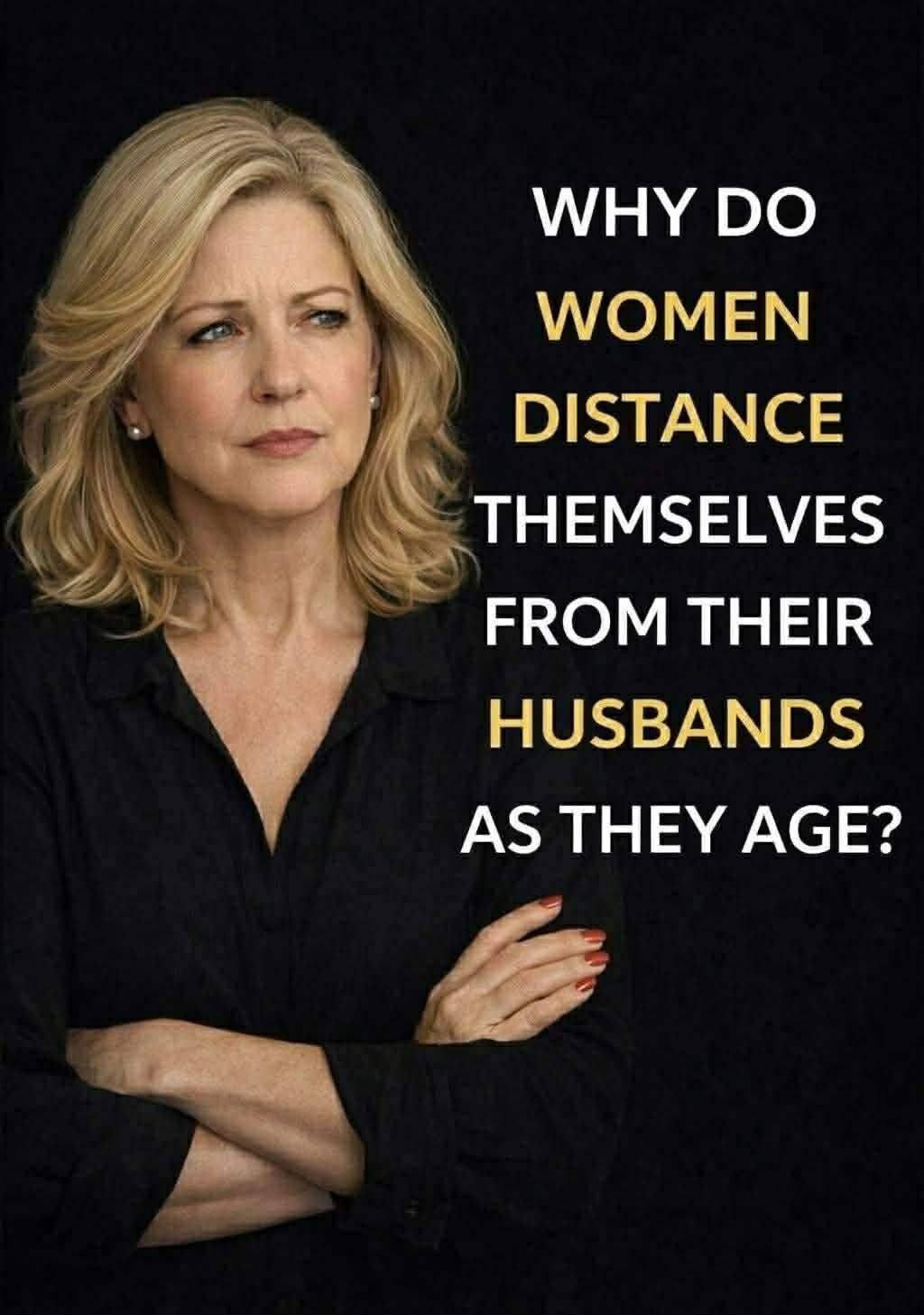
Long-term marriages and partnerships undergo significant transformations over decades. As couples transition from the bustling years of raising children and building careers into the later stages of life, relationship dynamics frequently shift. One phenomenon that marriage and family therapists, sociologists, and psychologists frequently observe is a tendency for some women to emotional or physical distance themselves from their husbands as they age. Understanding the root causes of this shift involves examining deep-seated psychological, physiological, and emotional changes.
Navigating the complexities of aging, retirement, and changing partnership roles requires robust communication, emotional resilience, and financial planning. Just as managing household Finance, reviewing Retirement portfolios, and securing appropriate health Insurance or Investment strategies ensure long-term stability, nurturing a lifelong partnership requires active maintenance. In this comprehensive guide, we explore the multifaceted reasons why some women distance themselves from their spouses in later life, the impact of midlife transitions, and practical strategies for reigniting connection and mutual understanding.
Physiological and Hormonal Transitions in Midlife
Biological changes play a profound, foundational role in how individuals experience emotions, stress, and interpersonal relationships during middle and older age.
The Impact of Menopause and Hormonal Shifts
For women, midlife often coincides with perimenopause and menopause, periods marked by fluctuating estrogen and progesterone levels. These hormonal transitions can trigger:
- Mood Fluctuations and Irritability: Unpredictable hormonal shifts can alter stress tolerance, making patience wearing thin during routine daily conflicts.
- Fatigue and Sleep Disturbances: Chronic sleep deprivation resulting from night sweats or insomnia diminishes emotional bandwidth, leading individuals to seek solitude and personal space.
- Re-evaluating Priorities: As biological reproductive phases conclude, women frequently experience a psychological shift, turning their focus toward personal growth, independence, and self-care rather than catering exclusively to domestic expectations.
Psychological Shifts and the “Empty Nest” Phenomenon
As children grow up and leave the home, households undergo a radical structural transformation known as the “empty nest” phase.
Redefining Identity Beyond Caregiving
For many women, decades of life have been defined by active caregiving—balancing parenting schedules, household management, and career responsibilities. Once children move out, couples are suddenly left alone together, sometimes realizing they have grown in different directions.
- The “Two Strangers” Reality: If a couple relied entirely on childcare and routine tasks to structure their marriage without nurturing deep emotional intimacy, the quiet of an empty home can highlight underlying emotional distance.
- Desire for Autonomy: Having spent decades prioritizing everyone else’s needs, many aging women experience an intense psychological drive to reclaim their personal autonomy, hobbies, and social networks.
The Emotional Labor Disparity
A major contributor to marital dissatisfaction and emotional distancing in later life is the unequal distribution of emotional and domestic labor over the course of a marriage.
What is Emotional Labor?
Emotional labor encompasses anticipating household needs, managing social calendars, organizing family logistics, and offering continuous psychological support.
- Burnout: When one partner (traditionally the wife) carries the vast majority of mental and domestic burdens for decades, chronic burnout can set in by middle age.
- Resentment Accumulation: Unaddressed imbalances in daily chores and emotional care can curdle into quiet resentment, causing women to pull back emotionally to protect their peace and mental well-being.
Communication Breakdowns and Divergent Retirement Goals
As couples approach Retirement, differing expectations for how to spend their golden years can create friction.
Clashing Lifestyles
- The Active vs. Sedentary Divide: One spouse may envision an active retirement filled with travel, social groups, and new hobbies, while the other may prefer a quiet, homebound routine.
- Loss of Shared Vision: Without a common purpose or mutual hobbies, partners can drift into parallel lives living under the same roof.
Practical Strategies for Rebuilding Connection
Bridging the emotional gap requires conscious effort, vulnerability, and a willingness to adapt from both partners.
- Prioritize Open, Judgment-Free Dialogue: Create dedicated time to discuss emotional needs, frustrations, and desires without defensiveness.
- Redefine Shared Goals: Collaborate on new retirement or lifestyle goals that excite both partners equally.
- Seek Professional Guidance: Engaging a licensed marriage and family therapist or counselor can help couples unpack decades of unspoken patterns and learn healthier communication tools.
- Encourage Individual Autonomy: Respect each other’s need for personal space, hobbies, and friendships outside the marriage.
Interesting Facts About Aging Marriages
- The “Gray Divorce” Trend: Sociological studies show that divorce rates among couples aged 50 and older (often termed “gray divorce”) have doubled over the past three decades, driven largely by women seeking personal fulfillment.
- The Power of Shared Hobbies: Research indicates that couples who regularly try new activities together maintain higher levels of marital satisfaction and dopamine release, mimicking the excitement of early romance.
- Health Benefits of Strong Partnerships: Studies consistently show that couples in warm, supportive marriages experience lower rates of cognitive decline and cardiovascular disease as they age.
Conclusion
The emotional distancing that some women exhibit toward their husbands as they age is rarely arbitrary; it is typically the result of accumulated emotional labor, hormonal transitions, identity shifts, and unaddressed communication gaps. Recognizing these underlying factors is the first step toward healing and renewal. Just as careful financial planning, smart Investment, and dependable Insurance secure your future stability, investing emotional honesty and active care into your marriage ensures a fulfilling, connected partnership through every stage of life.
FAQ Section
Q1: Is emotional distance inevitable in long-term marriages?
A: No. While marriages naturally evolve, emotional distance only becomes permanent when communication breaks down and both partners stop investing in mutual intimacy and understanding.
Q2: How can husbands better support their wives through midlife transitions?
A: Husbands can support their partners by actively taking on a fair share of domestic and mental labor, listening empathetically without trying to “fix” everything immediately, and encouraging their personal growth and autonomy.
Q3: When should a couple consider professional counseling?
A: If communication has completely stalled, resentment feels insurmountable, or both partners feel like roommates leading separate lives, consulting a professional relationship therapist can provide a safe framework for healing.
