
Introduction
When stocking up our kitchen pantries, root vegetables like potatoes are often a staple. Versatile, comforting, and affordable, they form the foundation of countless family meals across the globe. However, have you ever reached into your pantry bag only to discover that your smooth, golden spuds have taken on an eerie, greenish hue? It is a common household dilemma: you pull out a tuber that looks a bit discolored, and you wonder whether it is safe to toss into tonight’s stew or if it belongs in the trash.
This issue frequently sparks lively debates among family members. While some believe that a little discoloration is harmless and can simply be peeled away, others worry about potential health hazards. Understanding what causes this green coloration is vital not just for culinary success, but for safeguarding your household’s health and wellness. In this comprehensive guide, we will dive deep into the science behind green potatoes, explore the potential health risks, examine financial and grocery management perspectives, and provide actionable tips on how to properly store and handle your produce.
What Causes Potatoes to Turn Green?
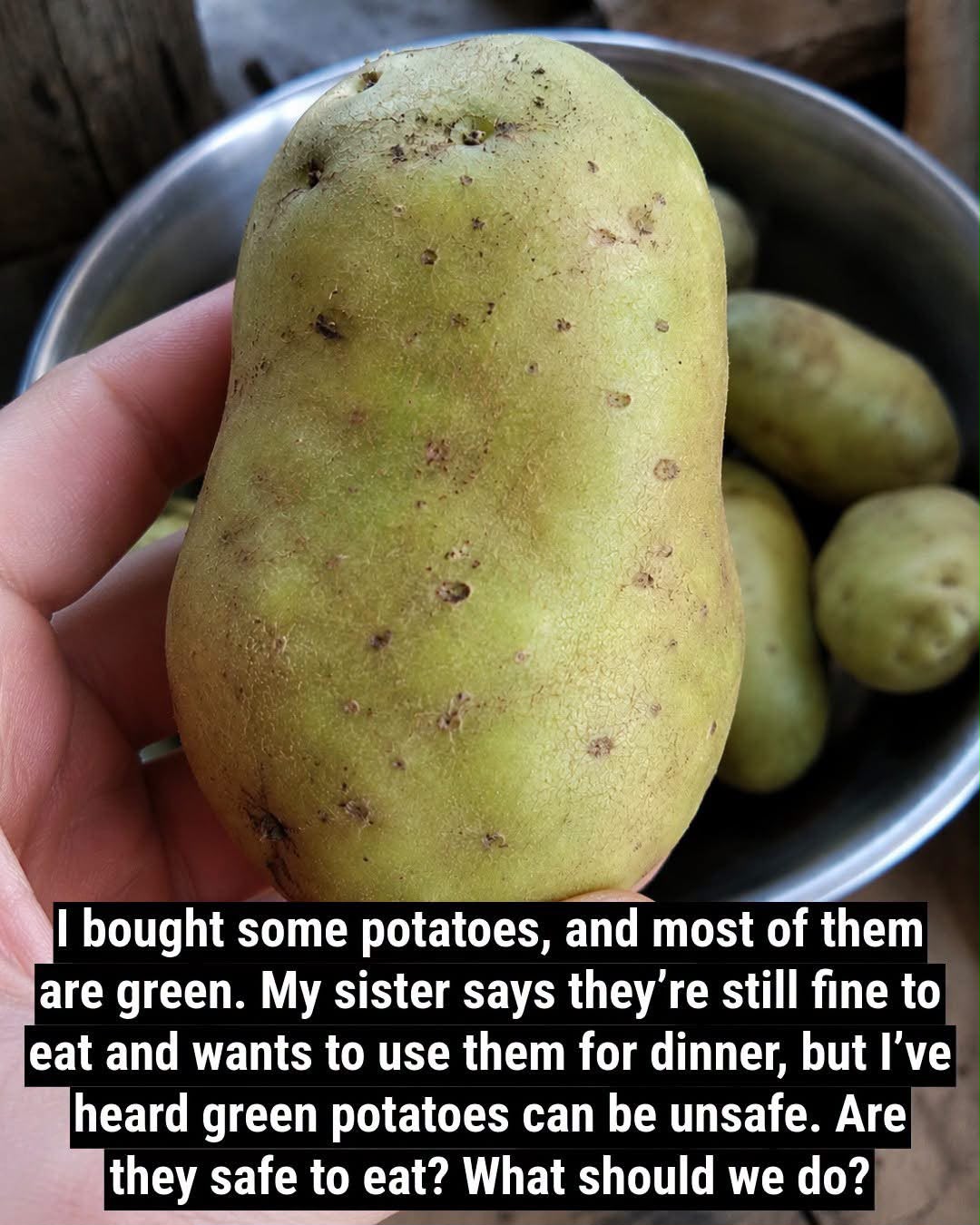
To understand why potatoes turn green, we have to look at agriculture and botany. Potatoes are tubers that grow underground. When they are developing in the soil, they are safely shielded from sunlight. However, if potatoes are exposed to light—whether during harvesting, transit, display at the grocery store, or improper storage at home—they begin to produce chlorophyll.
Chlorophyll is the natural green pigment found in plants that enables them to absorb energy from light through photosynthesis. While chlorophyll itself is completely harmless and is present in many of the healthy vegetables we eat daily (such as spinach and broccoli), its appearance on a potato serves as a critical warning sign.
The presence of chlorophyll does not inherently poison you, but it acts as a visual indicator that the potato has been exposed to light and warmth. This same exposure triggers a chemical reaction that produces high levels of a toxic compound known as solanine.
The Science of Solanine: Understanding Glycoalkaloids
When potatoes are stressed by light, physical damage, or fluctuating temperatures, they naturally generate defense mechanisms to protect themselves against pests, fungi, and herbivores. These defense mechanisms take the form of glycoalkaloids, primarily solanine and chaconine.
Solanine is a bitter-tasting natural toxin. In small amounts, it is manageable for the human body, but in high concentrations, it can lead to acute poisoning. While high-CPC topics like health, medical care, and legal liability rarely intersect directly with everyday kitchen mistakes, severe cases of solanine poisoning can sometimes require medical attention or consultation with an attorney if contaminated food is served in a commercial setting. For the average home cook, however, the primary concern is avoiding unpleasant and potentially dangerous symptoms.
Symptoms of Solanine Toxicity
Ingesting large amounts of solanine can disrupt the nervous system and gastrointestinal tract. Symptoms typically appear anywhere from 30 minutes to a full day after consumption and can include:
- Nausea and vomiting
- Severe abdominal cramps
- Diarrhea
- Headaches and dizziness
- Confusion or weakness in severe cases
Because children have a lower body weight and higher sensitivity, they are particularly vulnerable to the effects of food toxins like solanine. This makes knowing how to handle discolored produce an essential part of household safety.
Can You Salvage a Green Potato?
A frequent question asked by budget-conscious shoppers is whether an entire bag of potatoes must be discarded just because a few are tinted green. The answer depends heavily on the extent of the discoloration and the concentration of the toxin.
If a potato has only a very mild, superficial green patch, and the rest of the tuber is firm and normal-colored, you can often salvage it with careful preparation. Solanine is concentrated in the skin, the green areas, the sprouts (eyes), and the vascular tissues just beneath the peel.
However, if a potato is intensely green throughout, or if it tastes bitter when cooked, it should never be eaten. Biterness is a primary indicator of high solanine content. If a dish tastes unpleasantly bitter, do not force yourself or your family to finish it; it is better to discard the meal to prevent illness.
Practical Tips for Preparing and Peeling
If you decide to utilize potatoes that show minor green spots, proper preparation techniques can significantly reduce your exposure to toxins. Follow these steps to maximize safety in your kitchen:
- Thorough Peeling: Use a sharp vegetable peeler to remove all green layers of skin, ensuring you cut deep enough to reach the normal white or yellow flesh underneath.
- Remove the Eyes: Sprouting eyes and the surrounding bumps contain concentrated levels of glycoalkaloids. Cut these out generously.
- Test for Bitterness: If a cooked potato tastes sharp or bitter, discard it immediately. Never rely on cooking or boiling to destroy solanine, as heat does not effectively break down the toxin.
- Monitor Smartly: Regularly inspect your produce inventory to catch light exposure early, helping you manage grocery budgets efficiently without wasting wholesome food.
Smart Storage Strategies to Prevent Greening
Prevention is always better than cure. By optimizing how you store your potatoes at home, you can prevent them from turning green in the first place and extend their shelf life.
Ideal Environmental Conditions
- Darkness is Key: Always store potatoes in a dark environment. Use opaque paper bags, burlap sacks, or a dark pantry cupboard rather than clear plastic bags exposed to kitchen counter lights.
- Cool, Well-Ventilated Spaces: The ideal storage temperature for potatoes is between 45°F and 55°F (7°C to 13°C). A cool pantry, cellar, or garage corner works well. Avoid storing them in the refrigerator, as cold temperatures convert potato starches into sugars, altering their taste and texture unfavorably.
- Keep Away from Moisture: Moisture encourages rotting and sprouting. Keep your potatoes dry and ensure good air circulation around them.
- Separate from Ethylene Producers: Store potatoes away from onions and apples. Onions release ethylene gas, which can cause potatoes to sprout and spoil much faster.
Interesting Facts About Potatoes and Food Safety
- Historical Significance: Potatoes were originally viewed with extreme suspicion when first introduced to Europe from South America in the 16th century. Botanists and common folk alike recognized the toxicity of green parts and foliage, leading many to believe the entire plant was poisonous.
- Space-Age Farming: NASA has experimented extensively with growing potatoes in controlled environments, studying how light exposure affects tuber development and toxin accumulation.
- Global Staple: Today, the potato is the world’s fourth-largest food crop, following maize, wheat, and rice, sustaining billions of lives daily through careful cultivation and distribution.
Conclusion
Finding green potatoes in your grocery haul can be alarming, but understanding the science behind them empowers you to make safe, informed decisions for your household. While minor surface greening can often be safely peeled away, heavily discolored or bitter potatoes should be discarded to avoid potential health risks. By implementing proper storage habits—such as keeping your spuds in a cool, dark, and well-ventilated space—you can protect your family’s health, minimize food waste, and enjoy delicious, comforting meals with total peace of mind.
FAQ Section
1. Can boiling or cooking destroy solanine in green potatoes? No. Solanine is heat-stable, meaning that boiling, baking, frying, or microwaving will not destroy the toxin. If a potato contains high levels of solanine, cooking it will not make it safe to eat.
2. Are sweet potatoes or yams susceptible to turning green? No. True yams and sweet potatoes belong to different botanical families than standard white potatoes and do not produce solanine when exposed to light, though they can spoil or sprout under poor conditions.
3. Is it safe to eat potatoes that have started sprouting? Sprouting potatoes can still be safe to eat if they are firm and not shriveled, provided you cut away the sprouts and eyes deeply. However, sprouting indicates that the potato is aging and losing nutrients, so it is best consumed quickly.
4. What should I do if someone in my household eats a heavily green potato and feels sick? If mild gastrointestinal discomfort occurs, stay hydrated and rest. If symptoms are severe, persistent, or accompanied by neurological signs like confusion, seek professional medical guidance immediately.
