
Introduction
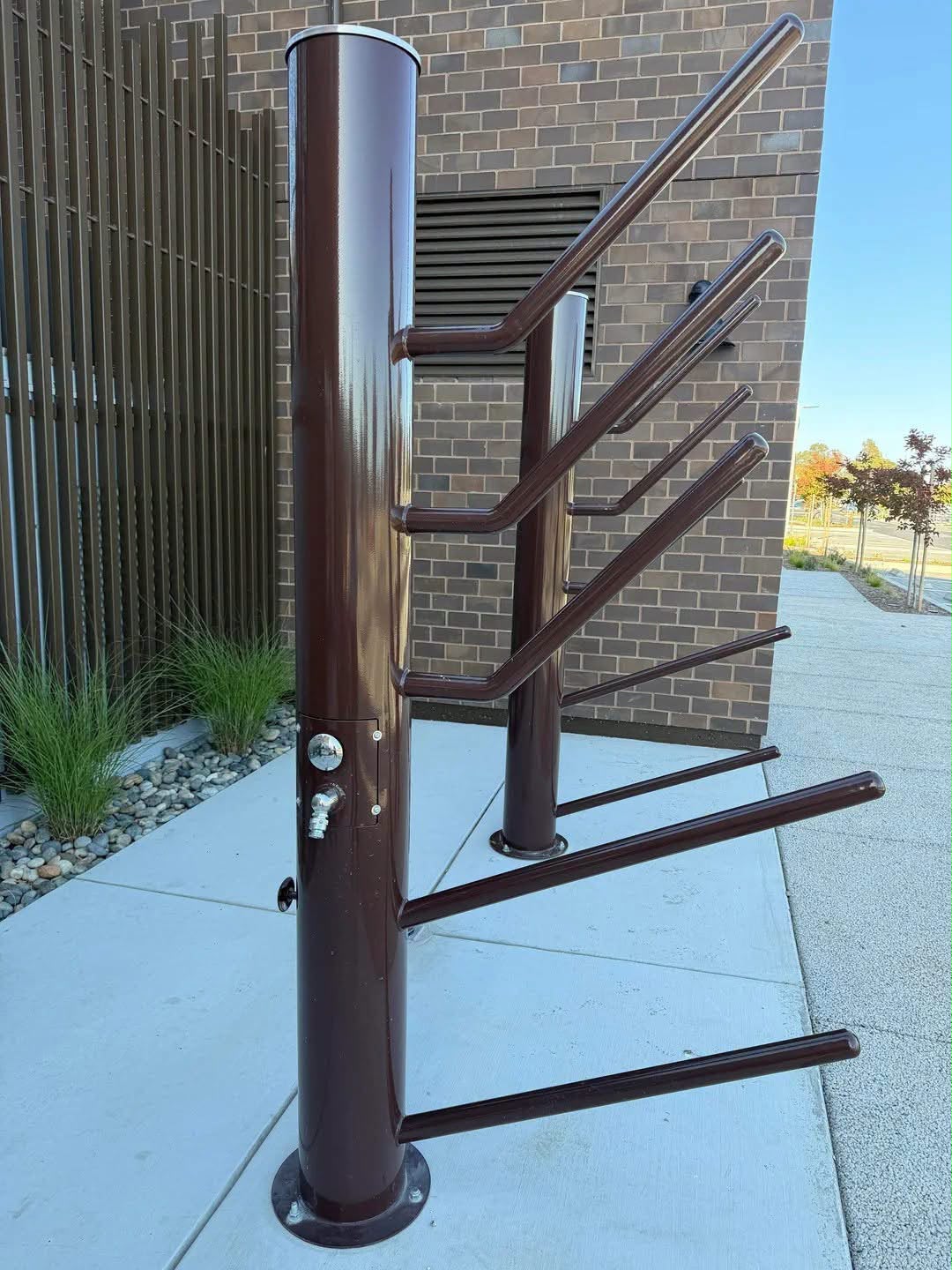
Modern architectural design in coastal communities, multi-family apartment complexes, and urban developments often incorporates unique outdoor amenities tailored to local lifestyles. However, when passing by modern outdoor installations, residents and visitors frequently encounter specialized fixtures that leave them scratching their heads. One such mystery fixture consists of tall metallic posts featuring angled horizontal arms extending outward, often accompanied by built-in spouts or hose connections near the base.
At first glance, people often mistake these structures for unusual bicycle racks, modern art sculptures, kayak holders, or specialized fitness equipment. In reality, these multipurpose installations are outdoor wash stations and board storage racks—most commonly used as outdoor surfboard and paddleboard wash-and-dry stations in coastal and watersport communities. Understanding how urban developments design functional spaces for outdoor recreation sheds light on modern property planning, outdoor storage solutions, and coastal living conveniences.
The Purpose and Mechanics of Outdoor Surfboard and Board Racks
In coastal regions or near lakes and rivers, outdoor activity gear requires specific maintenance before being brought indoors. Surfboards, stand-up paddleboards (SUPs), bodyboards, and outdoor gear collect salt, sand, dirt, and debris during use. Storing wet, sandy equipment in residential apartments or shared common areas causes structural damage, water deterioration, and unwanted messes.
To address this challenge, property developers install outdoor board rack wash stations. The angled arms extend outward to securely hold multiple boards vertically or horizontally, allowing users to safely stack their boards off the ground while rinsing them down using the integrated lower water valve, hose bib, or foot-wash spout.
Why Angled Prongs Are Designed This Way
- Gravity-Assisted Drainage: The upward angle prevents expensive surfboards and watercraft from slipping off due to gravity or sudden wind gusts.
- Padding and Protection: The arms are frequently coated with rubber, foam, or weather-resistant powder coatings to prevent scratching board surfaces.
- Space Efficiency: Vertical stacking allows multiple residents to rinse and dry gear simultaneously without cluttering walkways or sidewalks.
- Integrated Cleaning: Having water valves mounted directly on the vertical post enables quick cleanup immediately after returning from the beach or water body.
Why Modern Residential Developments Invest in Recreational Amenities
The rise of specialized outdoor amenities in residential housing reflects broader real estate and architectural design trends. Today’s home buyers and renters seek properties that support active, outdoor-oriented lifestyles.
Property developers work closely with urban planners, landscape architects, and legal services to ensure communal spaces comply with local zoning, safety regulations, and tenant liability standards. Incorporating designated wash stations and outdoor storage racks delivers several core benefits to property management and residents alike:
- Property Value Enhancement: Thoughtfully designed amenities increase rental rates and property values by catering directly to outdoor enthusiasts.
- Maintenance Cost Reduction: Rinsing off salt, sand, and mud outdoors prevents plumbing clogs, elevator damage, and hallway wear in residential buildings.
- Community Engagement: Outdoor amenity areas encourage resident interaction, fostering a sense of community among neighbors with shared hobbies.
Practical Tips for Utilizing Outdoor Storage and Wash Stations
If your residential complex or coastal park features outdoor wash and storage stations, maximizing their utility while respecting common area etiquette ensures a clean and safe environment for everyone.
- Rinse Saltwater Promptly: Always use fresh water from the built-in station to rinse salt off your gear immediately after use, preventing material corrosion and degradation.
- Secure Your Equipment: Never leave expensive surfboards, paddleboards, or bikes unattended on open storage racks unless proper locking mechanisms or cables are utilized.
- Mind Shared Water Usage: Conserve water by using shut-off nozzles and ensuring valves are tightly turned off after rinsing your equipment.
- Inspect Weather Conditions: Avoid leaving lightweight boards on outdoor racks during high-wind events to prevent damage to equipment or surrounding property.
Surprising Facts About Coastal Urban Architecture
- Sand Prevention Design: Modern coastal apartment developments often integrate low-level foot-wash spouts specifically to prevent beach sand from entering interior drainage systems, which can cause severe pipe blockages over time.
- Material Science in Coastal Fixtures: Outdoor fixtures in oceanfront environments are typically treated with marine-grade stainless steel or specialized powder coatings to withstand salty air corrosion for decades.
- Multi-Use Adaptation: While designed primarily for surfboards and paddleboards, these racks are frequently repurposed by residents for drying wetsuits, holding kayaks, or securing snowboards in mountain resort areas.
Conclusion
Unusual urban fixtures often serve clever, highly practical functions designed to improve everyday convenience for residents and outdoor enthusiasts. The tall metallic posts equipped with angled arms and lower water spouts serve as dedicated board racks and wash stations, keeping sand, mud, and water out of living spaces while preserving recreational equipment. As urban architecture continues to adapt to active lifestyle trends, seeing functional, space-saving outdoor installations will become an increasingly common part of modern residential design.
FAQ Section
1. What is the built-in spout near the bottom of the post used for? The lower spout or valve is typically used for rinsing off feet, sandy footwear, dog paws, or attaching a short hose to wash down recreational equipment before storing it.
2. Can these racks be used for bicycles? While some people attempt to hang bikes by their wheels or frames on these arms, they are specifically engineered for flat, wide recreational items like surfboards, paddleboards, and bodyboards. Specialized bike racks are usually anchored nearby for security.
3. Are these outdoor racks suitable for winter weather? Yes. High-quality outdoor racks are constructed from heavy-gauge powder-coated steel or aluminum, making them weather-resistant and durable against rain, snow, and UV exposure throughout the year
