
Introduction
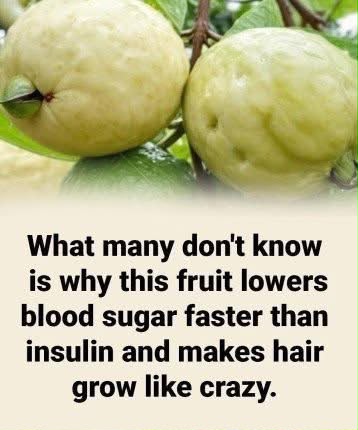
In today’s digital age, health trends and natural remedies spread rapidly across social media platforms. Among the many tropical fruits gaining widespread attention, guava often takes center stage. Featured in viral posts and wellness discussions, claims frequently emerge regarding its extraordinary metabolic and cosmetic benefits. Images of fresh, green guava fruit often accompany sensational headlines claiming it can dramatically lower blood sugar levels or act as a miraculous remedy for hair growth.
While guava is undeniably a nutrient-dense superfood packed with essential vitamins, minerals, and dietary fiber, separating science-backed health benefits from viral hyperbole is critical for responsible health management. Relying on any single fruit to replace prescribed medical treatments like insulin can be dangerous. In this comprehensive guide, we will explore the nutritional profile of guava, examine the scientific evidence behind its impact on glycemic control and hair health, discuss responsible health choices, and present practical tips for integrating this tropical fruit safely into a balanced lifestyle.
The Nutritional Profile of Guava
Guava (Psidium guajava) is a tropical fruit native to Mexico, Central America, the Caribbean, and northern South America. Renowned for its unique flavor and aromatic profile, it boasts one of the highest nutrient densities among cultivated fruits.
Key Nutrients Found in Guava
- Vitamin C: Guavas are exceptional sources of Vitamin C, containing more than four times the amount found in standard oranges per serving. Vitamin C is a powerful antioxidant essential for immune defense and tissue repair.
- Dietary Fiber: Rich in soluble pectin and insoluble fiber, guava supports digestive regularity, aids satiety, and helps slow glucose absorption in the gut.
- Antioxidants and Polyphenols: Packed with lycopene, quercetin, and carotenoids, guava helps combat cellular oxidative stress.
- Potassium and Folate: Contains essential minerals that support cardiovascular health, muscle regulation, and cell growth.
Guava and Blood Sugar Regulation: Myth vs. Science
Viral claims often state that guava lowers blood sugar “faster than insulin.” It is vital to address this claim directly from a clinical and scientific standpoint.
The Reality of Insulin vs. Dietary Compounds
Insulin is a hormone vital for regulating cellular glucose uptake. For individuals with type 1 diabetes or advanced type 2 diabetes, medical insulin therapy is a life-saving necessity that directly removes glucose from the bloodstream. No fruit or dietary supplement lowers blood sugar faster or more directly than pharmaceutical insulin. Claiming otherwise poses significant health risks for diabetic patients who rely on daily medical management.
How Guava Does Support Glycemic Control
While guava is not a substitute for medical treatment, clinical research shows that whole guava fruit and guava leaf tea offer genuine supportive benefits for blood sugar management:
- Low Glycemic Index (GI): Whole guava has a low glycemic index, meaning it causes a slow, gradual rise in blood sugar rather than a sharp spike.
- High Fiber Content: The abundant dietary fiber in guava delays gastric emptying, preventing rapid glucose absorption into the bloodstream after meals.
- Alpha-Glucosidase Inhibition: Compounds found in guava leaf extract have been shown in laboratory studies to inhibit alpha-glucosidase, an enzyme that breaks down carbohydrates into simple sugars during digestion.
Guava and Hair Growth: Evaluating the Evidence
Another common claim associated with guava is its ability to make “hair grow like crazy.” How much truth lies behind this claim?
Nutritional Support for Hair Follicles
While guava does not act as a magic hair restoration formula, its nutritional components play an indirect role in supporting healthy hair follicles:
- Vitamin C and Collagen Production: Vitamin C is required for the synthesis of collagen, a crucial structural protein in hair strands.
- Combating Oxidative Stress: Antioxidants in guava protect scalp hair follicles from radical damage caused by environmental pollution and aging.
- B-Complex Vitamins: Guavas contain niacin, riboflavin, and thiamine, which contribute to healthy cell turnover and microcirculation in the scalp.
Topically Applied Guava Leaf Extracts
Traditional wellness practices often utilize decoctions made from boiled guava leaves as a hair rinse. Laboratory analyses indicate that guava leaves contain anti-inflammatory and antimicrobial properties that may alleviate scalp conditions like dandruff. However, robust clinical trials on human subjects demonstrating dramatic hair regrowth remain limited.
Practical Tips for Incorporating Guava into Your Diet
To maximize the nutritional benefits of guava while maintaining digestive comfort and safety, keep these practical tips in mind:
- Eat the Whole Fruit: Enjoy fresh guava whole, including the edible skin, to receive maximum dietary fiber and antioxidants.
- Watch Portion Sizes: Although guava has a low glycemic impact, it still contains natural sugars (fructose). Moderation remains key for individuals tracking daily carbohydrate intake.
- Try Guava Leaf Tea: Brewing dried guava leaves into an herbal tea provides an antioxidant-rich beverage without added sugars or calories.
- Avoid High-Sugar Commercial Products: Skip processed guava jellies, syrupy juices, or sugary desserts, as added sugars negate the metabolic benefits of the natural fruit.
Financial, Medical, and Health Management Considerations
In the modern wellness market, consumers spend billions of dollars annually on exotic supplements, detox drinks, and natural health products. Understanding how to manage personal health expenditures efficiently starts with prioritizing basic nutrition over expensive gimmicks.
Navigating complex health conditions like diabetes, metabolic syndrome, or alopecia requires professional medical evaluation. Consulting with endocrinologists, primary care physicians, or certified clinical dietitians ensures you receive evidence-based treatments, proper health insurance coverage for diagnostic care, and personalized nutritional guidance. Incorporating affordable, nutrient-dense whole foods like guava into your routine is an excellent complement to professional healthcare, but should never replace medical therapy.
Fascinating Facts About Guava
- Super Vitamin C Heavyweight: A single small guava provides over 200% of the daily recommended intake of Vitamin C, far exceeding most citrus fruits.
- Global Agricultural Impact: India is currently the world’s largest producer of guavas, accounting for over 45% of global output.
- Edible Seeds and Peel: Unlike many tropical fruits, both the skin and seeds of the guava are completely edible and contain high concentrations of dietary fiber and essential oils.
Conclusion
Guava is an extraordinary tropical fruit packed with Vitamin C, dietary fiber, antioxidants, and essential minerals that promote overall health. While scientific research confirms that guava supports digestive health, aids glycemic control, and contributes to scalp wellness, claims that it outperforms insulin or acts as an instant hair growth miraculous cure are inaccurate online exaggerations. By enjoying fresh guava and guava leaf tea as part of a balanced diet alongside regular physical activity and sound medical care, you can leverage its true scientific benefits for lifelong wellness.
FAQ Section
1. Is it safe for people with diabetes to eat guava? Yes. Whole guava has a low glycemic index and high fiber content, making it a healthy fruit choice for people with diabetes when consumed in moderation as part of a meal plan.
2. Should you peel guava before eating it? No, peeling is not necessary. The skin of the guava is rich in Vitamin C and fiber. Simply wash the fruit thoroughly under running water before eating.
3. Can guava leaf tea replace diabetes medications? No. Guava leaf tea can be a beneficial supportive beverage, but it cannot replace prescribed diabetes medications such as insulin or metformin. Always discuss dietary changes with your physician.
4. How does Vitamin C in guava help hair health? Vitamin C aids in collagen synthesis, which builds hair structure, and assists in the absorption of plant-based iron, a mineral necessary to prevent hair shedding caused by anemia.
