
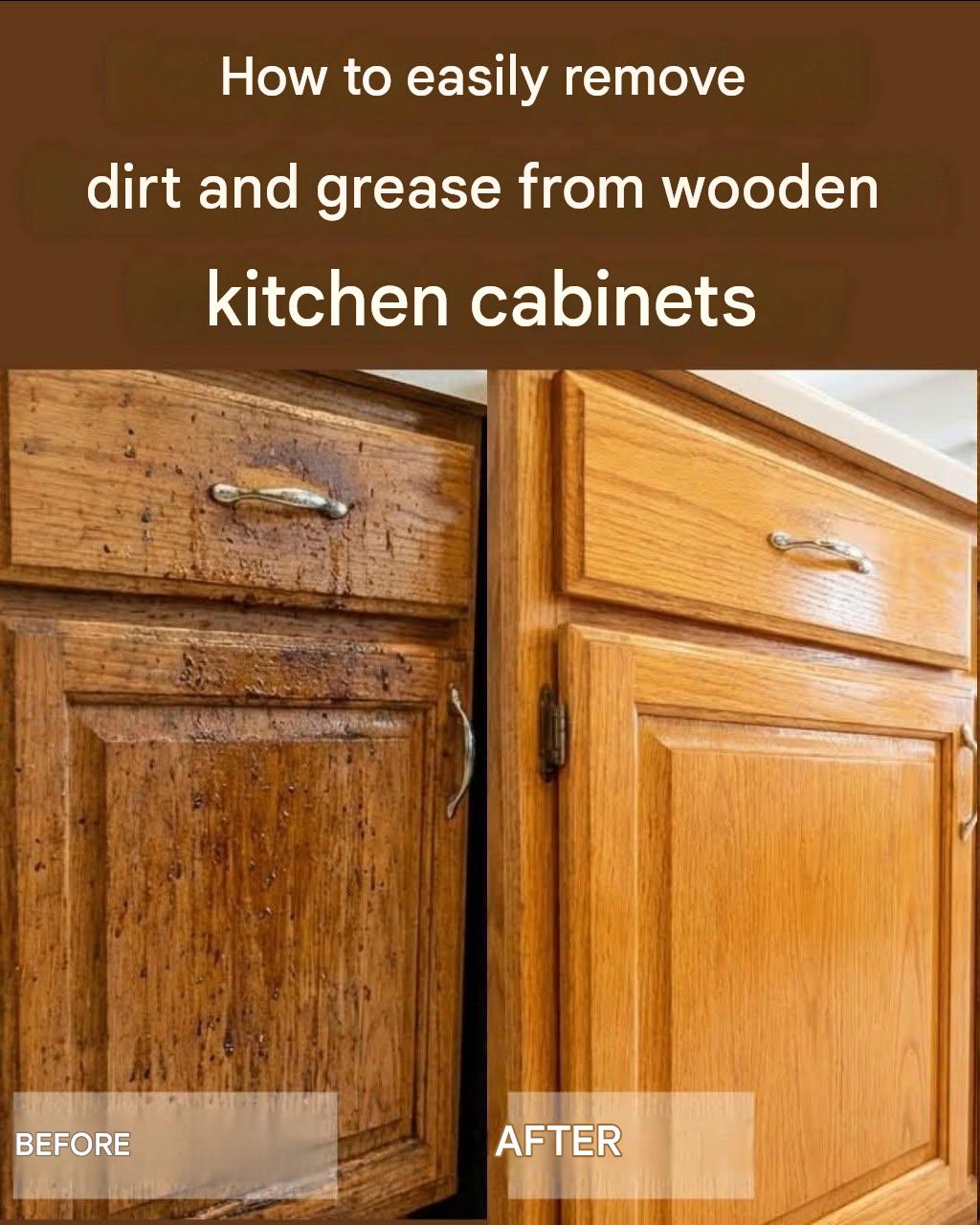
Kitchen cabinets naturally collect a stubborn buildup of cooking grease, airborne dust, and food splatters over time. A side-by-side comparison image showing sticky, grime-covered wooden cabinets alongside freshly restored, gleaming oak doors highlights how effective cleaning techniques can instantly transform a kitchen space. Restoring wood surfaces not only improves kitchen aesthetics but also preserves the structural integrity of cabinet finishes without costly remodeling.
Understanding safe grease-cutting solutions, avoiding harsh chemical damage, and incorporating routine kitchen maintenance helps extend the lifespan of wooden cabinetry.
Effective Methods for Deep Cleaning Wooden Cabinets
Removing sticky grime requires mild yet effective degreasing agents that break down oil without stripping underlying wood stains or protective clear coats.
1. The Warm Water and Dish Soap Method
A gentle mixture of warm water and grease-cutting dish liquid is usually the safest starting point. Dish soap is specifically formulated to break down cooking oils. Using a soft microfiber cloth dipped in soapy water (and wrung out so it is merely damp) helps lift surface grime without soaking the wood grain.
2. Baking Soda Paste for Stubborn Residue
For heavy buildup around door handles and cabinet edges, combine two parts baking soda with one part water to form a non-abrasive paste. Gently applying the paste to sticky spots with a soft sponge breaks up hardened grease without scratching the finish.
3. White Vinegar Solution for Natural Shine
A 50/50 mix of warm water and distilled white vinegar acts as a natural solvent for oily film. Wiping down cabinet doors with a vinegar solution restores natural luster and eliminates lingering kitchen odors.
Kitchen Remodeling, Cabinet Care, and Home Insurance Considerations
Maintaining kitchen fixtures is an important aspect of long-term home value and preventive maintenance.
Protecting Wood Finishes Against Moisture Damage
Excessive water exposure during cleaning can cause real wood doors to warp or swell. Always follow deep cleaning with a dry microfiber cloth to absorb lingering surface moisture and preserve wood sealant.
Homeowner Maintenance and Property Value
Well-maintained wooden kitchen cabinetry significantly boosts resale potential and overall home valuation. Routine home care, including sealing wood surfaces and preventing water damage around sinks and dishwasher lines, supports home insurance compliance and mitigates costly structural repairs.
Practical Tips for Keeping Cabinets Clean
- Clean Cabinet Handles Weekly: Focus on high-touch areas around hardware and drawer pulls where oil from hands quickly accumulates.
- Use Microfiber Cloths: Avoid abrasive scrub brushes or steel wool, which can create micro-scratches on wood varnish and lacquer.
- Apply Wood Polish or Conditioner: After cleaning, nourish real wood cabinet surfaces with beeswax or mineral oil conditioner to protect against future moisture buildup.
Frequently Asked Questions (FAQ)
What is the best natural degreaser for wooden cabinets?
A combination of warm water, a few drops of dish soap, and a splash of white vinegar breaks down kitchen grease naturally while remaining gentle on wood finishes.
Can vinegar damage wooden kitchen cabinets?
Undiluted vinegar is acidic and can dull wood finishes over time. Always dilute white vinegar with equal parts warm water and dry the cabinets thoroughly after wiping.
How often should wooden kitchen cabinets be deep cleaned?
Cabinets near stoves and cooking surfaces should be wiped down monthly, while a full kitchen deep-clean every six months keeps grease from hardening into thick layers.
