
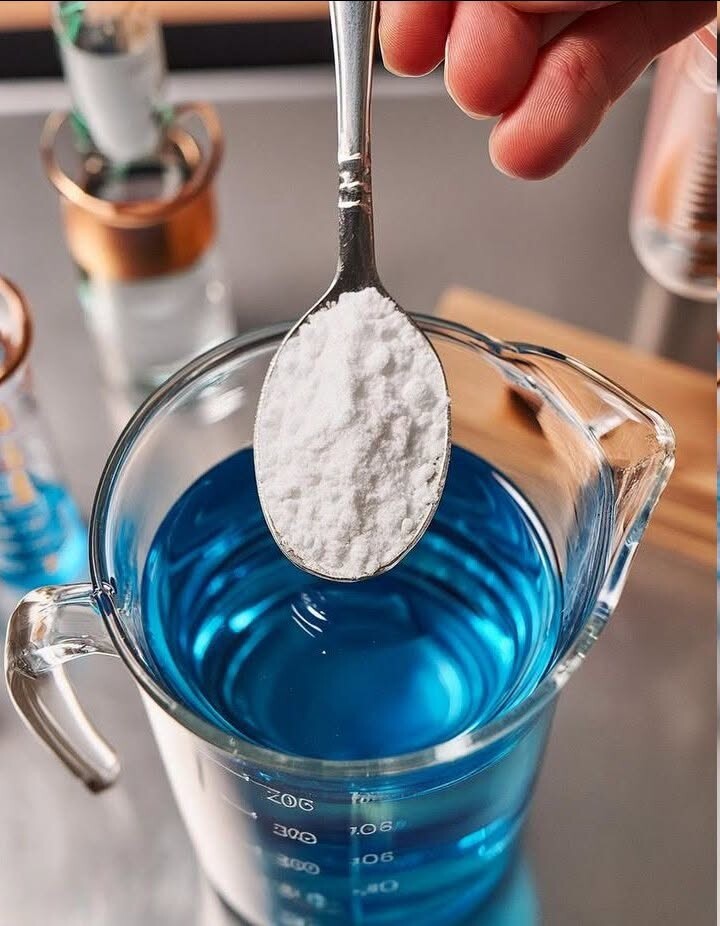
There is nothing quite like stepping into a home that smells clean, inviting, and fresh. While commercial air fresheners and aerosol sprays promise long-lasting fragrance, they often come with high price tags and synthetic ingredients that can trigger indoor allergies or sensitive skin. Thankfully, creating your own homemade fabric softener room spray provides an affordable, highly customizable, and effective alternative.
By combining simple household staples like baking soda, warm water, and your favorite liquid fabric softener, you can make a luxury-grade linen and room spray for a fraction of store-bought costs. In this comprehensive guide, we will cover everything you need to know about crafting this DIY solution, optimizing scent retention, ensuring fabric safety, and adopting smart home freshening habits.
Why Make Your Own Fabric Refreshing Spray?
Commercial room sprays and odor eliminators are among the most frequently purchased household cleaning products. However, making your own air freshener offers several distinct advantages for your budget and your living environment.
1. Massive Cost Savings
Branded air sprays and fabric refresher bottles can cost anywhere from $5 to $10 each. A DIY fabric softener spray uses mere pennies worth of ingredients per bottle. By repurposing a reusable spray bottle and buying bulk baking soda, you save money continuously throughout the year.
2. Custom Scent Control
Store-bought sprays often feature overpowering or artificial fragrances. Creating your own spray allows you to dial the fragrance concentration up or down. You can also mix different fabric softeners or add a few drops of pure essential oils like lavender, eucalyptus, or vanilla to craft a signature home scent.
3. Neutralizing Odors Instead of Masking Them
Many commercial air fresheners simply cover up bad smells with heavy perfumes. Adding baking soda to your DIY room spray actively neutralizes organic acid odors from pet dander, cooking fumes, and stale upholstery, ensuring your home smells genuinely clean rather than perfumed.
Ingredients and Equipment Needed
To make a standard 16-ounce batch of homemade fabric softener room spray, gather the following simple supplies:
- 2 Tablespoons Baking Soda: Acts as the primary odor-neutralizing agent.
- 2 to 3 Tablespoons Liquid Fabric Softener: Provides a long-lasting, clean scent and softens soft surfaces.
- 1.5 to 2 Cups Warm Distilled Water: Helps fully dissolve the baking soda and dilute the softener smoothly.
- 1 Clean Fine-Mist Spray Bottle: A fine-mist nozzle distributes the spray evenly across fabrics without soaking them.
- 1 Funnel & Measuring Spoon Set: For mess-free mixing.
Step-by-Step Instructions: How to Mix DIY Room Spray
Follow these easy steps to prepare your room spray in under five minutes.
+-------------------------------------------------------------------+
|                        PRO MIXING TIP                             |
| Always mix the baking soda with warm water FIRST until completely |
| dissolved before adding fabric softener to prevent nozzle clogs!  |
+-------------------------------------------------------------------+
Step 1: Dissolve the Baking Soda
In a measuring cup or jug, add 2 tablespoons of baking soda to 1.5 cups of warm water. Stir thoroughly for about 60 seconds until the water becomes clear and no white powder settles at the bottom. Using warm water ensures the sodium bicarbonate crystals dissolve completely, preventing your spray nozzle from clogging later.
Step 2: Add the Liquid Fabric Softener
Pour 2 to 3 tablespoons of your preferred liquid fabric softener into the warm water mixture. Stir gently to combine. Avoid whisking vigorously to keep foam from forming at the surface.
Step 3: Bottle and Shake
Place a funnel over the top of your clean spray bottle and pour the liquid in carefully. Fasten the spray nozzle tightly and shake the bottle gently for 10 to 15 seconds to ensure all ingredients are fully blended.
Step 4: Test and Apply
Before spraying large furniture pieces, test the mixture on a small, hidden patch of fabric (such as the back hem of a curtain or underneath a couch cushion). Once verified safe, mist gently across room fabrics, carpets, curtains, and bed linens.
Where and How to Use Your DIY Room Spray
This multi-purpose spray works exceptionally well across various soft surfaces throughout your home:
| Target Surface | Recommended Application | Primary Benefit |
| Living Room Couches & Pillows | Light mist from 12 inches away | Eliminates pet dander and daily living odors |
| Bedding & Mattresses | Light spray during linen changes | Creates a calming, hotel-fresh sleep environment |
| Curtains & Drapes | Spray from top to bottom | Releases fragrance whenever breeze flows through |
| Carpets & Area Rugs | Mist high-traffic entryways | Refreshes heavy floor fibers between vacuuming |
| Car Interiors & Upholstery | Spray cloth seats and floor mats | Neutralizes trapped auto odors and stale air |
Essential Safety and Usage Tips
While DIY fabric softener spray is safe for most everyday fabrics, keeping a few best practices in mind guarantees optimal results:
- Avoid Delicate Fabrics: Do not use fabric softener sprays on delicate materials such as silk, genuine leather, suede, or dry-clean-only garments, as oils or moisture may leave water spots.
- Keep Off Hard Floors: Avoid spraying heavily over hardwood, laminate, or tile floors. The conditioning agents in fabric softener can create a slick surface layer, presenting a slip hazard.
- Shake Before Each Use: Because baking soda and oils can settle over time, give the bottle a quick shake before every application.
- Pet Safety Considerations: Ensure rooms are well-ventilated during application, especially if you add concentrated essential oils to your mix, as certain oils (like tea tree or citrus) can be sensitive for pets.
Long-Term Financial and Home Value Benefits
Adopting DIY household solutions aligns with smart home management and financial health. Taking simple steps to maintain an inviting living space connects to broader lifestyle and economic benefits:
- Budget Planning & Savings: Replacing multiple commercial cleaners with DIY alternatives frees up discretionary household cash. These small savings can be redirected into long-term wealth building, such as a retirement account, emergency loan payoff strategy, or education fund.
- Property Appeal for Real Estate: A fresh-smelling home creates a powerful positive impression on potential buyers or renters. If you are preparing a house for sale or refinancing a mortgage, subtle scent staging enhances overall property appeal.
- Protecting Home Gear & Insurance: Maintaining clean, odor-free soft furnishings extends the lifespan of expensive living room furniture, maximizing your household investment and keeping home maintenance logs in top shape for property insurance considerations.
Fascinating Facts About Fragrance and Odor Control
- Olfactory Memory Connection: Scents travel directly to the brain’s limbic system, the center for memory and emotion. A clean, familiar fragrance instantly lowers perceived stress levels upon entering a room.
- How Baking Soda Works: Sodium bicarbonate is an amphoteric compound, meaning it neutralizes both acidic and basic odor molecules, rendering them completely odorless rather than simply masking them.
- Fabric Softener History: Modern liquid fabric softeners were originally developed in the early 20th century to restore softness to cotton fabrics that became harsh after commercial dye processes.
Conclusion
Creating a DIY fabric softener room spray is one of the easiest, most cost-effective ways to elevate your home’s atmosphere. With just a few basic ingredients—baking soda, warm water, and liquid softener—you can eliminate stubborn odors and infuse your living space with a long-lasting, custom fragrance. Whip up a batch today and enjoy a crisp, hotel-fresh home every single day!
Frequently Asked Questions (FAQ)
Can this spray cause spray bottle nozzles to clog?
Yes, if the baking soda is not fully dissolved in warm water before spraying, un-dissolved granules can block the fine intake tube. Always stir thoroughly and use warm water during preparation.
How long does the fresh scent last?
When applied to soft materials like curtains, carpets, and fabric sofas, the fragrance typically lasts between 24 and 48 hours. Because fabric fibers trap scent molecules, misting porous surfaces yields longer results than spraying into mid-air.
Can I use white vinegar instead of baking soda?
Yes! White vinegar is another powerful natural odor neutralizer and fabric refresher. You can substitute 1/2 cup of white vinegar for the baking soda in this recipe. The vinegar smell dissipates completely as it dries, leaving only the clean fabric softener scent.
Is this DIY room spray safe for pets?
Standard fabric softeners diluted in water are generally safe for homes with pets once dried. However, avoid spraying directly onto pet bedding while animals are resting on it, and ensure room ventilation during application.
Can I store this room spray indefinitely?
Because the mixture contains water and no synthetic preservatives, it is best used within 4 to 6 weeks. Keep the bottle stored in a cool, dark cabinet away from direct sunlight for maximum shelf life.