
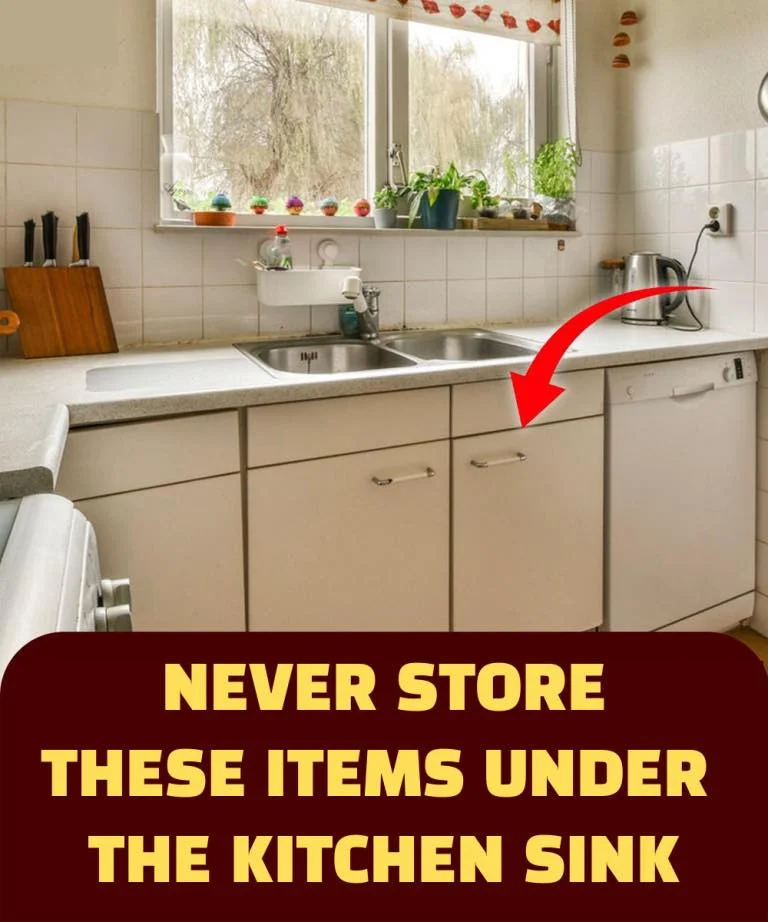
The area under the kitchen sink is one of the most accessible and heavily utilized storage hubs in any home. For decades, homeowners have naturally defaulted to tossing household cleaners, trash bags, spare sponges, and miscellaneous tools beneath the plumbing. It seems like the most logical location—it keeps everyday mess out of plain sight while keeping functional products right at your fingertips. However, this dark, cramped cabinet is secretly one of the most hazardous storage zones in your entire house.
Due to erratic humidity levels, frequent temperature fluctuations, fluctuating pipe pressure, and the persistent threat of slow, undetected water leaks, storing improper items under the sink can lead to costly property damage, health hazards, and expensive structural repairs. Water damage restoration, home insurance claims, emergency plumbing calls, and pest control services often trace costly residential problems back to neglected items under the kitchen sink. Understanding the risks hidden inside this small cabinet can save you thousands of dollars, protect your family’s health, and extend the lifespan of your home investments.
Why the Cabinet Under Your Kitchen Sink Is Unique
Before looking into the specific items that present risks, it is essential to understand the environmental conditions of the under-sink ecosystem. Unlike a hallway linen closet or a dry bedroom pantry, the cabinet under your kitchen sink is directly exposed to active plumbing, high humidity, and physical moisture.
Every time you run hot water, wash dishes, or turn on the garbage disposal, humidity inside the closed cabinet rises. Furthermore, plumbing pipes inherently sweat when cold water passes through them on warm days. Add to this the constant risk of loose drain connections, worn-out rubber seals, or slow dripping supply lines, and you have an environment ripe for mold growth, chemical reactions, and structural deterioration.
1. Paper Products and Disposable Paper Goods
It is a common habit to store backup rolls of paper towels, paper plates, napkins, and extra coffee filters directly under the kitchen sink. Because these items are bulky, storing them in a low cabinet feels like a smart spatial decision. However, paper products are essentially organic sponges waiting to absorb moisture.
- Mold and Mildew Growth: The humid ambient atmosphere under the sink degrades paper fibers. Even without a visible leak, paper goods trap air moisture, creating a perfect breeding ground for toxic black mold, mildew, and fungi.
- Pest Attraction: Damp paper produces cellulose breakdown, which releases subtle scents that attract pests such as cockroaches, silverfish, and mice. These pests use damp paper as both a food source and nesting material.
- Wasted Money: A minor plumbing leak can instantly ruin an entire bulk package of expensive paper towels, rendering them completely unusable and throwing your hard-earned money straight into the garbage.
2. Harsh Chemical Cleaners and Bleach
Storing bleach, ammonia, drain unblockers, and heavy-duty chemical sprays under the kitchen sink seems intuitive because it is where you clean. Yet, this practice poses significant safety hazards that many homeowners overlook.
- Corrosion of Plumbing and Fixtures: Harsh chemicals emit invisible fumes, even when sealed in plastic containers. Over time, caustic vapors from bleach, ammonia, and chemical solvents corrode copper pipes, metal water lines, garbage disposal wiring, and cabinet hinges.
- Accidental Chemical Reactions: Storing multiple chemical agents together in a dark, tight space increases the risk of inadvertent mixing. If containers leak or degrade, mixing bleach with ammonia-based cleaners creates chloramine gas, which is toxic and potentially lethal if inhaled.
- Child and Pet Safety: The cabinet under the sink is within easy reach of young children and curious pets. Even with basic child-safety locks, hazardous chemicals present severe ingestion and burn risks. Medical emergencies caused by household chemical ingestion lead to high healthcare bills, emergency hospital visits, and unnecessary stress.
3. Small Electrical Kitchen Appliances
Blenders, slow cookers, hand mixers, food processors, and electric kettles are frequently stashed in lower kitchen cabinets to clear valuable countertop real estate. Storing these valuable electronic devices under active plumbing pipes, however, is a high-risk gamble.
- Risk of Electrical Short Circuits: Water dripping onto internal motor housing, electrical wiring, or power cords causes severe oxidation, rust, and short-circuiting. Plugging in a damp electrical appliance creates a immediate fire risk or dangerous electrical shock.
- Voided Warranties: Appliance manufacturers explicitly state in their warranty terms that water damage or internal oxidation caused by improper storage conditions voids consumer protection and repair coverage. Replacing ruined high-end appliances causes unnecessary financial strain.
4. Kitchen Towels, Linens, and Microfiber Cloths
Storing clean dish towels, oven mitts, aprons, and microfiber rags under the sink seems harmless, but fabric behaves similarly to paper products in moist environments.
- Musty Odors and Bacteria: Fabric rapidly absorbs ambient humidity. Clean towels kept under the sink often acquire a stale, musty smell that is difficult to wash out. This odor is caused by microscopic bacterial colonies multiplying inside the fabric fibers.
- Cross-Contamination: If stored alongside cleaning agents, porous fabrics can absorb chemical fumes, which are then transferred onto your clean dishes, countertops, or hands during cooking.
5. Dog and Cat Food or Pet Treats
Pet owners frequently use the lower kitchen cabinets to store large bags of dry kibble, canned pet food, and animal treats. This is one of the most hazardous locations you can choose for pet nourishment.
- Rapid Mold and Mycotoxin Spoilage: Dry dog and cat food contains oils and fats that spoil quickly when exposed to heat and humidity. Moisture traps inside pet food bags, leading to invisible mycotoxins and mold spores that can cause severe gastrointestinal illness and high veterinary medical bills.
- Insect and Rodent Infestations: Pests possess an extraordinarily keen sense of smell. Ants, roaches, and mice can easily chew through thin plastic or paper pet food bags, turning your kitchen cabinet into a localized infestation zone.
6. Flammable Liquids and Solvents
Rubbing alcohol, aerosol spray cans, metal polishes, paint thinners, and linseed oils should never be stored beneath the kitchen sink.
- Spontaneous Combustion and Fire Hazard: The area beneath a sink often shares space with electrical outlets, garbage disposal motors, and dishwasher wiring. An electrical spark from a garbage disposal switch combined with volatile organic compounds (VOCs) or flammable fumes trapped in an enclosed cabinet creates an immediate residential fire hazard. Home insurance policy guidelines often emphasize proper storage of combustible materials away from active electrical junctions.
7. Bulk Onions, Potatoes, and Fresh Produce
Root vegetables like potatoes, onions, and garlic are typically stored in dark places to prevent premature sprouting. While dark, the cabinet under the kitchen sink lacks the necessary ventilation required for produce longevity.
- Accelerated Rotting: Lack of air circulation combined with moisture causes potatoes and onions to rot rapidly. Decomposing onions release potent, offensive odors, while rotting potatoes emit solanine gas, which can cause sickness in enclosed spaces.
- Attracting Fruit Flies and Gnats: Decaying organic matter beneath the sink serves as a primary breeding site for drain flies, fruit flies, and fungus gnats that can quickly spread throughout your entire home.
8. Hazardous Insecticides and Pest Sprays
Bug sprays, ant baits, rodent poisons, and flea treatments should never sit under the sink alongside kitchen items.
- Toxic Chemical Migration: Pesticides can off-gas and settle on neighboring dishware, sponges, or clean utensils. Keeping poisons in close proximity to food preparation zones increases the risk of inadvertent toxic exposure.
- Environmental Hazard During Leaks: In the event of a major pipe burst, water spreads pesticide residues out of the cabinet, across your kitchen floor, into floor seams, and under baseboards, requiring professional hazardous waste cleanups and remediation services.
9. Extra Sponges and Unsealed Cleaning Pads
While it is natural to store backup kitchen sponges under the sink, keeping them unsealed or loose inside the cabinet compromises their hygiene before you even use them.
- Pre-Use Contamination: Sponges are porous. Unwrapped sponges stored in humid environments absorb airborne dust, mold spores, and lingering chemical vapors. Using a pre-contaminated sponge to wash your dinner dishes introduces bacteria directly onto food preparation surfaces.
Practical Storage Solutions and Best Practices
To optimize your kitchen storage safely while protecting your property value and insurance coverage, consider implementing these professional organization strategies:
+--------------------------+-----------------------------------+----------------------------------+
| Storage Category         | Safe Location                     | Recommended Storage Container    |
+--------------------------+-----------------------------------+----------------------------------+
| Cleaning Chemicals       | Dedicated Utility Closet / Laundry | Sealed, Labeled Plastic Bins     |
| Paper Goods & Towels     | High Wall Pantry / Linen Closet   | Original Packaging / Wire Racks  |
| Small Appliances         | Dry Corner Cabinet / Pantry Shelf | Original Boxes / Breathable Bags |
| Flammable Solvents       | Garage / External Storage Shed    | Flame-Resistant Safety Cabinets  |
| Pet Food & Treats        | Dedicated Pantry Floor / Closet   | Airtight, BPA-Free Plastic Bins  |
+--------------------------+-----------------------------------+----------------------------------+
Safe Items You CAN Store Under the Sink
- Non-Toxic Cleaning Tools: Plastic scrub brushes, rubber gloves, and stainless steel scouring pads.
- Plastic Trash Cans and Liner Bags: Sealed, heavy-duty plastic trash bins and plastic garbage bags.
- Absorbing Trays: A waterproof silicone mat lining the base of the cabinet to catch unexpected drips before water damages your home’s flooring.
Fascinating Facts About Home Plumbing and Under-Sink Hazards
- Invisible Leaks: The average undetected kitchen sink leak can release over 1,000 gallons of water a year before a homeowner notices visible floor damage.
- Air Quality Impact: Over 50% of home indoor air pollution originates from poorly ventilated cabinets storing open cleaning solvents, paints, and chemical products under sinks.
- Insurance Claim Statistics: Water damage from kitchen plumbing leaks ranks among the top five most frequent residential property insurance claims across the United States.
Frequently Asked Questions (FAQ)
What is the safest way to line the bottom of my kitchen sink cabinet?
The most effective option is a custom-fit, waterproof silicone tray with raised edges. These trays hold up to a gallon of water, catching minor pipe leaks before water touches wood, drywall, or kitchen subflooring.
Can I store dishwasher detergent pods under the sink?
Yes, provided they are stored in a rigid, airtight plastic container to keep moisture out. Keep them elevated on a shelf away from pets and young children, as liquid pods pose ingestion risks.
How do I eliminate persistent musty smells under my sink?
First, check thoroughly for active plumbing drips or soft, water-damaged wood. Once repairs are completed, place an open container of activated charcoal or baking soda inside the cabinet to absorb excess ambient moisture and lingering odors naturally.
How often should I inspect the area under my kitchen sink?
Perform a monthly visual inspection. Check for moisture along pipe joints, inspect chemical bottles for leaks, verify that child locks work properly, and clean out any accumulated dust or stray items.
Conclusion
The space under your kitchen sink offers convenient storage, but utilizing it improperly can lead to expensive home repairs, safety hazards, and health issues. By removing vulnerable items—such as paper products, small appliances, flammable items, and harsh chemical combinations—and relocating them to dry, well-ventilated locations, you protect your family and preserve your home’s financial value. Take a few minutes today to inspect your under-sink cabinet, rearrange your supplies, and transform a potential household hazard into a safe, functional space.