
Group selfies have become an iconic ritual of modern digital communication. From social media stories to viral memes, how different groups pose for photos reveals fascinating insights into group dynamics, social bonding, and online self-expression.
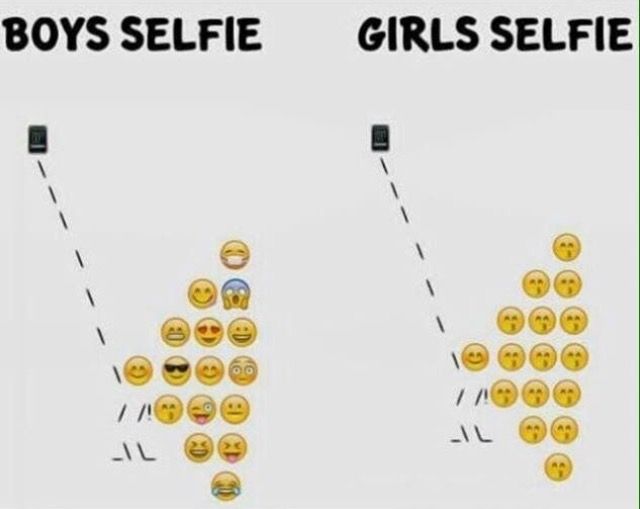
A viral social graphic highlights the humorous difference between “BOYS SELFIE” and “GIRLS SELFIE.” Using emoji arrangements in front of a smartphone camera, the image shows boys posing with a wide variety of chaotic expressions (sunglasses, heart eyes, laughing, screaming, neutral), whereas girls are depicted posing uniformly with kissing/pouting emojis.
This contrast taps into widely recognized social media tropes regarding collective posing styles, emotional expression, and group cohesion.
Here is a full breakdown of why group selfies differ, the evolution of selfie posing, and modern social photography trends.
Comparing Group Selfie Posing Styles
+-----------------------------------------------------------------------------------+
|                        GROUP SELFIE DYNAMICS COMPARISON                           |
+-------------------+----------------------------+----------------------------------+
| Selfie Category   | Visual Expression Pattern  | Underlying Social Motivation     |
+-------------------+----------------------------+----------------------------------+
| "Boys Selfie"     | Chaotic, varied, silly, or | Spontaneous humor, playful       |
| Posing Style      | completely random faces    | individuality, anti-aesthetic    |
| "Girls Selfie"    | Synchronized, coordinated, | Group unity, aesthetic harmony,  |
| Posing Style      | polished kissy/pout faces  | shared signature poses           |
+-------------------+----------------------------+----------------------------------+
1. The “Boys Selfie”: Individualistic Humor and Chaos
In social media culture, group photos among young men often lean into spontaneous humor rather than aesthetic symmetry. Each individual frequently chooses a distinct, exaggerated facial expression—ranging from goofy grins and cool poses to dramatic shock or complete straight-faced indifference. This reflects a relaxed, non-rehearsed approach to capturing moments.
2. The “Girls Selfie”: Aesthetics, Unity, and Signature Poses
Conversely, group photos among young women often emphasize shared aesthetic harmony and collective fun. Coordinated poses—such as pouting lips (“duck face” or kissy face), tilted heads, and matching angles—create visual symmetry and signal strong group unity and closeness.
The Evolution of Selfie Posing Trends
Selfie culture has evolved dramatically alongside smartphone camera technology and platform algorithms:
- The Early 2010s Duck Face Era: Popularized on platforms like Instagram and Snapchat, exaggerated pouting became the universal signature pose for high-angle front-facing selfies.
- The “0.5x” Wide-Angle Trend: Modern social trends favor ultra-wide “0.5x” camera angles held high or low, creating distorted, humorous perspectives embraced equally by all gender groups.
- Candid & “Messy” Aesthetics: Shift toward unedited photo dumps and candid snapshots where chaotic, natural group expressions take priority over perfectly posed photos.
Financial and Digital Marketing Impact of Selfie Culture
Selfie aesthetics directly drive engagement across digital platforms:
- Social Media Reach: Relatable, meme-worthy comparison posts about everyday social habits drive viral shares, high comment volumes, and significant page traffic.
- Smartphone Marketing: Mobile phone manufacturers design front-facing camera features—such as wide-angle group selfie modes and automated beauty filters—specifically tailored to group photo preferences.
Fascinating Facts About Human Photo Behavior
- The “Left Cheek Bias”: Psychology research shows that people naturally tend to offer their left cheek forward when posing for portrait photos, as the left side of the face is controlled by the right hemisphere of the brain and expresses greater emotional intensity.
- The Origin of “Selfie”: The term “selfie” was first coined in an Australian online forum in 2002 before being named Oxford Dictionaries’ Word of the Year in 2013.
Conclusion: Celebrating Social Connections
Whether a group photo turns out as a synchronized masterpiece or a chaotic mix of silly faces, selfies remain a fun, universally recognizable way to capture friendship and shared memories.
Frequently Asked Questions
Q1: What does the “Boys Selfie vs. Girls Selfie” meme mean?
A1: It is a humorous visual meme highlighting how men often make random, funny individual expressions in group photos, while women often adopt coordinated, aesthetic poses.
Q2: Why is the kissy face pose so common in group photos?
A2: The kissy face or pout highlights cheekbones, creates defined facial angles, and serves as a universally recognized, friendly posing go-to among friends.
Q3: What is a “0.5x selfie”?
A3: A 0.5x selfie uses a smartphone’s ultra-wide lens to capture a larger field of view, creating fun distortion effects popular in current group photo trends.
Q4: When did selfie culture become popular?
A4: Selfie culture surged worldwide between 2010 and 2013 with the introduction of front-facing cameras on smartphones and the rise of visual social platforms like Instagram.
Q5: How do group selfies affect social bonding?
A5: Group selfies act as shared micro-rituals that reinforce social connections, celebrate shared experiences, and create lasting digital memories.
