
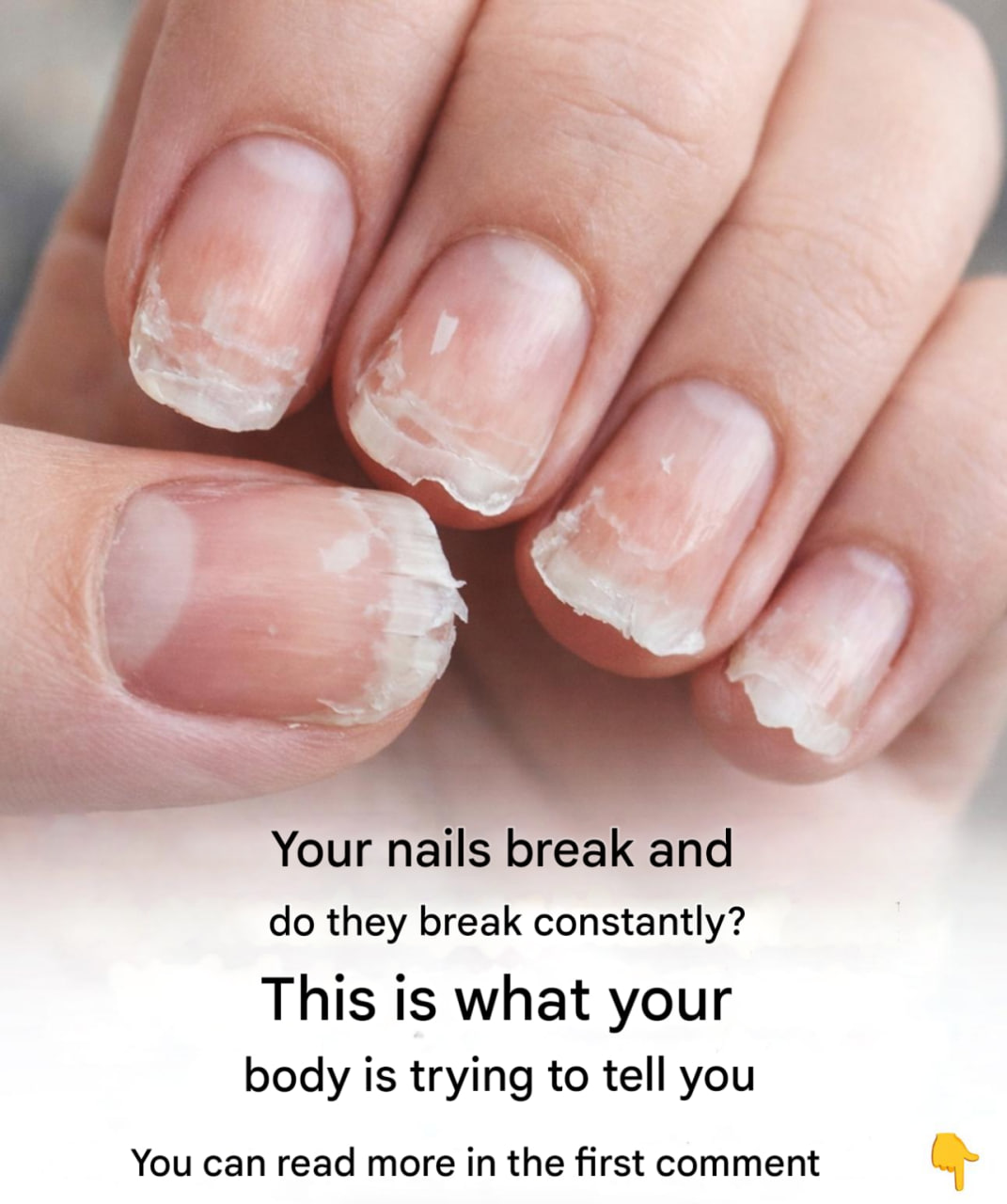
Fingernails do far more than protect delicate fingertips—they serve as a functional window into overall physical health, nutritional status, and systemic well-being. When nails suddenly become soft, thin, prone to peeling, or constantly break, it is often the body’s subtle way of signaling underlying nutritional deficiencies, dehydration, or environmental damage.
While social media trends often suggest quick cosmetic fixes like hardeners or gel manicures, lasting nail health requires addressing internal physiology, dietary support, and daily hand-care habits.
Why Do Nails Become Weak, Brittle, and Peeling?
Nails are composed primarily of layers of a tough protective protein called keratin. Several key factors disrupt keratin bonding and healthy nail plate growth.
                  [ Primary Drivers of Brittle Nails ]
                                   |
     +-----------------------------+-----------------------------+
     |                             |                             |
[ Nutritional Gaps ]     [ Repeated Wet-Dry Cycles ]     [ Harsh Chemical Exposure ]
  - Iron & Biotin Deficiency - Strips Natural Lipids        - Acetone & Cleaning Solvents
  - Impaired Keratin Structure - Weakens Structural Layers - Breaks Down Nail Surface
1. Essential Nutrient Deficiencies
A lack of vital micronutrients disrupts the body’s ability to produce dense, resilient keratin:
- Iron Deficiency (Anemia): Iron supports blood flow and oxygen delivery to the nail matrix. Low iron levels cause nails to grow thin, soft, and concave (spoon-shaped).
- B-Complex Vitamins (Biotin): Biotin (Vitamin B7) plays a central role in protein metabolism and cell growth, helping build structural thickness in the nail plate.
- Zinc and Magnesium: Essential minerals responsible for cellular division and protein synthesis; deficiency leads to slow growth and surface ridge formation.
2. Moisture Imbalance and Over-Washing
Frequent exposure to water causes the nail plate to swell, absorb fluid, and shrink as it dries. Over time, these repeated expansion-contraction cycles weaken the lipid bonds holding keratin layers together, causing nails to peel at the free edge (onychoschizia).
3. Harsh Chemicals and Harsh Gel Removal
Acetone-based nail polish removers, harsh cleaning products, and aggressive scraping during gel or acrylic manicure removals strip away natural oils, leaving the nail plate dry, flaky, and vulnerable to snapping.
Targeted Solutions for Stronger, Healthy Nails
Restoring strength to peeling or brittle nails requires combining internal nutritional support with protective external care:
| Cause | Recommended Fix | Primary Benefit |
| Keratin Structural Weakness | Incorporate biotin-rich foods (eggs, almonds, seeds) | Encourages thicker, stronger nail plate growth |
| Environmental Dryness | Apply daily cuticle oil (jojoba or vitamin E) | Locks in hydration and prevents edge peeling |
| Chemical Exposure | Wear protective rubber gloves when washing dishes | Shields nails from harsh detergents and excess moisture |
| Severe Softness / Bending | Check ferritin and iron levels with a physician | Addresses systemic underlying causes of nail fragility |
Practical Daily Habits for Nail Protection
- Keep Nails Trimmed and Filed: Keep nails at a manageable length with a gentle glass file to prevent catching and tearing on clothing.
- Moisturize After Washing: Reapply hand cream and cuticle oil every time you wash your hands to restore essential surface lipids.
- Avoid Using Nails as Tools: Refrain from using fingernails to open cans, scrape off stickers, or unbox packages.
Important Medical Notice: Persistent nail changes, deep horizontal ridges, persistent yellowing, or total structural breakdown can sometimes indicate underlying medical conditions such as thyroid disorders or fungal infections. Consult a healthcare provider or dermatologist for personalized evaluation.
Frequently Asked Questions (FAQ)
How long does it take for brittle nails to grow out strong?
Fingernails grow at an average rate of 3 millimeters per month. Replacing a damaged nail plate entirely takes roughly 4 to 6 months of consistent nutritional support and protective care.
Can taking biotin supplements fix broken nails instantly?
No. Biotin supports new nail growth generated at the nail matrix (under the cuticle), but it cannot repair or mend nail tissue that has already grown out and peeled.
Final Thoughts
Healthy, resilient nails rely on a combination of balanced nutrition, adequate hydration, and gentle daily protection. By supporting your body with essential nutrients and minimizing exposure to harsh solvents and excess moisture, you can help your nails regain their natural strength and shine.
