
Experiencing unusual sensations in your hands—such as a intense burning feeling, a persistent tingling like crawling ants, or a loss of feeling—is a common issue that affects millions of people worldwide. While occasionally waking up with a “sleeping” hand after resting awkwardly is harmless, ongoing or recurring nerve sensations in the fingers, palms, or wrists can point to underlying health conditions that require professional attention.
Your hands rely on an intricate network of peripheral nerves to convey tactile information to the brain and execute precise motor movements. When these nerves become compressed, inflamed, or damaged, nerve signaling disrupts, triggering sensations known medically as paresthesia or neuropathy. Recognizing what these symptoms mean early is essential for preventing permanent nerve damage, restoring hand function, and maintaining your overall health.
In this comprehensive medical guide, we explore the primary causes of burning, tingling, and numbness in the hands, diagnostic testing procedures, treatment avenues, and practical steps to safeguard your nerve health.
Understanding Hand Sensations: Burning, Tingling, and Numbness
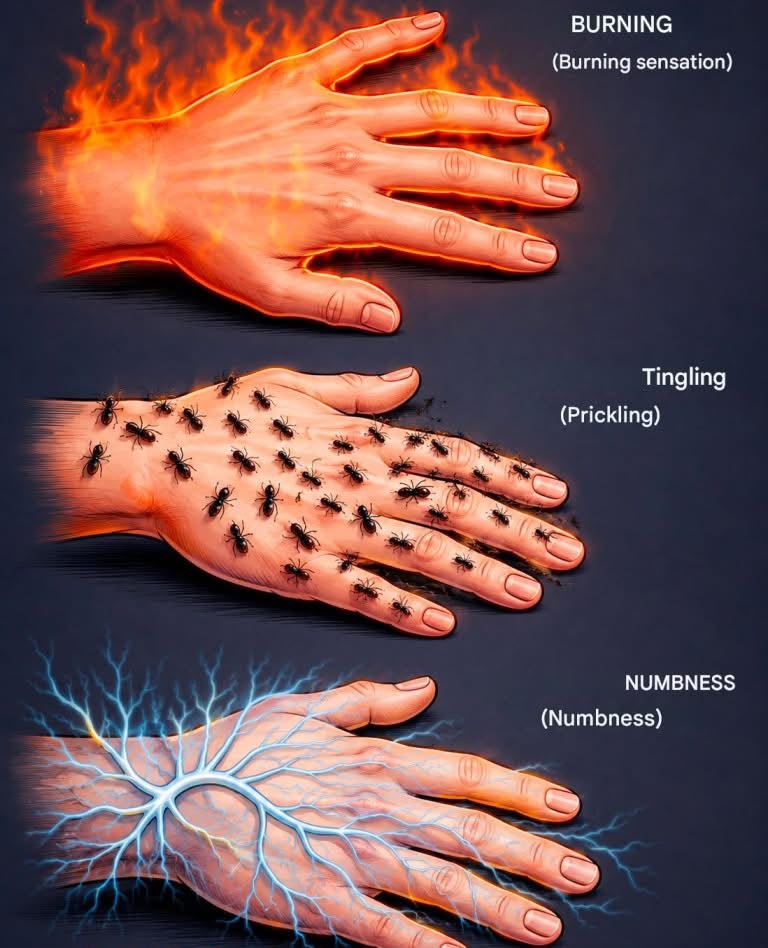
Nerve issues in the hands typically present in three primary visual and sensory ways:
- Burning Sensation: A feeling akin to heat or electrical irritation along the skin, often worsening at night or during repetitive motions.
- Tingling or Prickling: Often described as a “pins and needles” sensation or as if tiny insects are crawling over the skin.
- Numbness and Loss of Sensation: A reduced ability to feel temperature, pain, or physical contact, which can cause clumsiness or difficulty gripping everyday objects like cups, keys, or pens.
Primary Causes of Hand Neuropathy and Nerve Compression
Nerve distress in the upper extremities can stem from mechanical compression, metabolic disorders, nutrient deficiencies, or autoimmune conditions.
1. Carpal Tunnel Syndrome (CTS)
Carpal tunnel syndrome is one of the most common nerve compression disorders. It occurs when the median nerve, which runs through a narrow passage in the wrist called the carpal tunnel, becomes squeezed or pinched due to tissue inflammation.
- Symptoms: Numbness, burning, and tingling primarily affecting the thumb, index, middle, and half of the ring finger.
- Risk Factors: Repetitive hand movements (such as typing or assembly work), wrist injuries, pregnancy, and rheumatoid arthritis.
2. Peripheral Neuropathy and Diabetes
Diabetic neuropathy is a leading cause of peripheral nerve damage. Elevated blood sugar levels over extended periods can damage fragile nerve fibers and the tiny blood vessels that supply them.
- Progression: While diabetic neuropathy often starts in the feet, it frequently progresses to the hands in a “glove and stocking” distribution pattern.
3. Cervical Radiculopathy (Pinched Neck Nerve)
Nerves supplying sensation to the hands originate in the cervical spine (neck). A herniated disc, bone spur, or arthritis in the neck can compress these spinal nerve roots, radiating sharp pain, numbness, or tingling down the arm into the fingers.
4. Vitamin Deficiencies and Toxicity
Nerves require specific nutrients to maintain their protective myelin sheath and transmit signals effectively.
- Vitamin B12 Deficiency: Essential for nerve sheath integrity. Deficiency can cause widespread neurological issues, including tingling and numbness in extremities.
- Vitamin B6 Balance: Both severe B6 deficiency and excessive intake from high-dose supplements can result in peripheral nerve toxicity.
5. Autoimmune and Systemic Conditions
Conditions such as Lupus, Multiple Sclerosis, Rheumatoid Arthritis, and Lyme disease can cause systemic nerve inflammation or immune-mediated attacks on peripheral nerve tissue.
When to Seek Immediate Medical Attention
While many causes of hand numbness develop gradually, certain red flag symptoms necessitate emergency care. Seek immediate medical evaluation if hand numbness or weakness is accompanied by:
- Sudden weakness or paralysis on one side of the body.
- Facial drooping or sudden speech difficulty (potential signs of stroke).
- Sudden onset following severe physical trauma to the neck, back, or head.
- Rapidly spreading weakness extending up the arm.
Diagnostic Journey: Identifying the Underlying Nerve Issue
Accurately diagnosing the root cause of nerve discomfort in the hands requires a methodical evaluation by healthcare providers or specialists.
- Physical and Neurological Exam: Evaluating reflexes, muscle strength, pinprick sensitivity, and specialized provocative maneuvers (like Phalen’s or Tinel’s tests for carpal tunnel).
- Electromyography (EMG) and Nerve Conduction Studies (NCS): Measuring the speed and electrical strength of signals traveling through peripheral nerves to pinpoint the exact location of compression or damage.
- Magnetic Resonance Imaging (MRI): Providing detailed images of the neck and spine to rule out herniated discs or nerve root compression.
- Comprehensive Blood Panels: Testing blood glucose, HbA1c levels, B-vitamin profiles, thyroid function, and autoimmune markers.
Managing Health Insurance and Legal Protections for Occupational Injuries
Treating chronic nerve issues often involves medical visits, therapy, or workplace adjustments, making financial and legal awareness essential.
Navigating Health Insurance and Coverage
Repetitive stress injuries like Carpal Tunnel Syndrome often require specialized diagnostics, splints, physical therapy, or surgical intervention (carpal tunnel release).
- Policy Review: Check your health insurance coverage regarding specialist consultations (neurologists, orthopedic surgeons), outpatient physical therapy, and prescribed medical equipment.
- Disability Insurance: If severe nerve compression impacts your ability to perform job duties, temporary or long-term disability benefits can provide vital income replacement during recovery.
Occupational and Legal Considerations
When nerve conditions are triggered by workplace demands (e.g., long hours typing without ergonomic setups, repetitive manufacturing tasks, or heavy tool vibration), patients may qualify for workers’ compensation.
- Legal Guidance: Consulting an attorney specializing in disability law or workers’ compensation can help ensure your medical care is covered and your rights are protected under labor regulations.
Practical Tips to Relieve and Prevent Hand Nerve Discomfort
Proactive measures and workplace adjustments can significantly reduce nerve compression and support peripheral nerve repair.
- Optimize Ergonomics: Ensure your desk setup keeps wrists neutral (flat), not bent up or down while typing or using a mouse.
- Wear Nighttime Wrist Splints: Using a rigid wrist brace while sleeping keeps the carpal tunnel open and prevents unnatural bending that irritates nerves overnight.
- Take Frequent Micro-Breaks: Pause every 30 to 45 minutes during repetitive hand tasks to stretch fingers, rotate wrists, and shake out tension.
- Maintain Optimal Nutrition: Consume a balanced diet rich in leafy greens, lean meats, whole grains, and legumes to keep B-vitamin levels adequate.
- Manage Blood Sugar Levels: For individuals with diabetes, maintaining strict target blood glucose levels is the single most effective way to slow or prevent diabetic neuropathy.
Fast Facts About Hand and Nerve Health
- Prevalence: Carpal tunnel syndrome affects roughly 3% to 6% of the adult population in Western countries.
- Nerve Regeneration: Peripheral nerves can regenerate slowly—typically around 1 millimeter per day—once compression or underlying injury is resolved.
- Early Intervention Impact: Treating nerve compression early prevents irreversible muscle wasting (atrophy) at the base of the thumb.
Conclusion
Sensation changes in the hands—whether burning, prickling, or complete numbness—are clear signals from your peripheral nervous system that something requires attention. From simple repetitive strain injuries like carpal tunnel syndrome to systemic metabolic conditions like diabetes, identifying the cause early enables effective intervention. By working closely with medical professionals, securing proper health insurance coverage, addressing workplace ergonomics, and making targeted lifestyle changes, you can protect your nerve health and maintain full, pain-free hand function.
Frequently Asked Questions (FAQ)
Why does hand tingling or numbness feel worse at night?
Many people sleep with their wrists curled or flexed under their pillow, which increases pressure inside the carpal tunnel and compresses the median nerve. Additionally, blood circulation naturally slows during sleep, making nerve irritation more noticeable.
Can neck problems cause burning and tingling in my fingers?
Yes. A pinched nerve in the cervical spine (neck) caused by a herniated disc or spinal narrowing can send symptoms straight down the arm into specific fingers, depending on which spinal nerve is compressed.
How do I know if my hand symptoms are caused by carpal tunnel syndrome or diabetes?
Carpal tunnel syndrome typically affects specific fingers (thumb, index, middle finger) and is often confined to the hands. Diabetic neuropathy usually presents bilaterally (both hands or feet) in a symmetric pattern and is accompanied by systemic blood sugar management challenges. Medical testing like an EMG can clarify the diagnosis.
Are nerve damage symptoms in the hands reversible?
Yes, peripheral nerve damage and compression can often be reversed or significantly improved if diagnosed and treated early. However, long-standing, severe compression can lead to permanent structural nerve damage and muscle loss, making timely treatment essential.
