
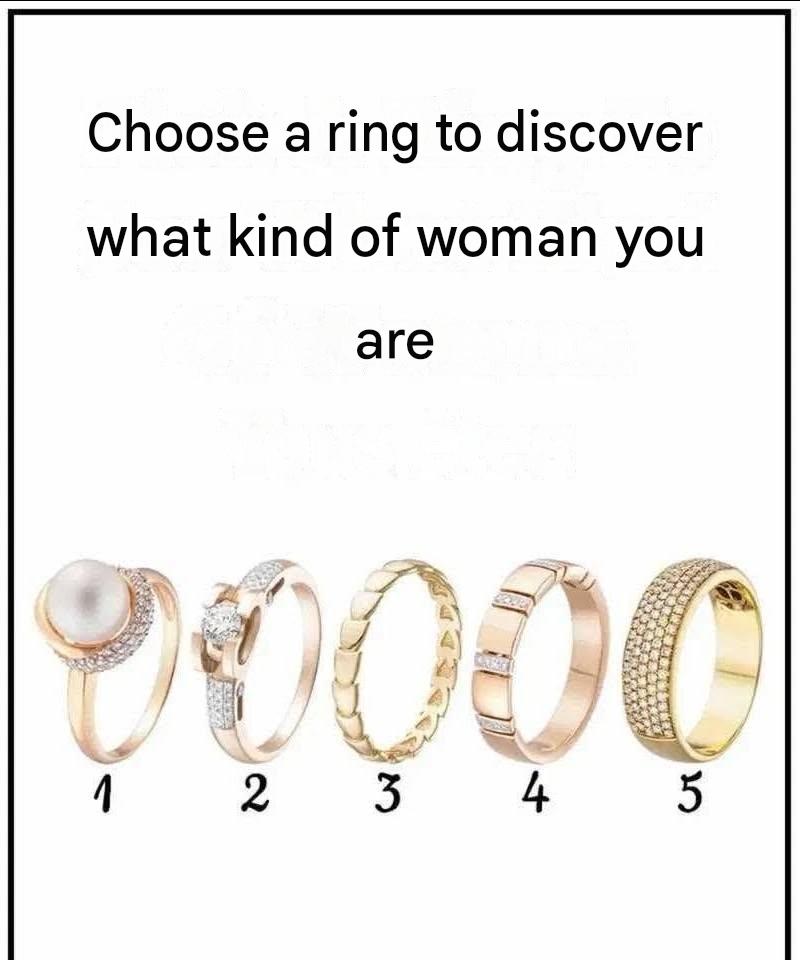
Fine jewelry serves as an expressive form of personal style, reflecting individuality, taste, and emotional connections. A viral engagement graphic displaying five distinct ring designs—labeled 1 (pearl center stone with pavé halo), 2 (classic round diamond solitaire band), 3 (braided gold band), 4 (sleek modern geometric band), and 5 (wide pave-set diamond band)—invites jewelry enthusiasts to discover how their preferred ring choice reflects their personality. Selecting fine jewelry involves evaluating precious metal durability, gemstone settings, and long-term maintenance.
Understanding different ring designs, exploring fine metal characteristics, and adopting proper jewelry cleaning habits ensures your favorite pieces remain luminous for a lifetime.
Ring Styles and Fine Jewelry Metals Guide
Each ring silhouette showcases unique craftsmanship and design elements tailored to diverse aesthetic preferences.
1. Pearl and Gemstone Accent Rings
Classic pearl rings featuring pavé diamond accents offer a timeless, sophisticated aesthetic. Pearls require delicate care due to their organic composition, making them ideal for elegant occasions and heirloom jewelry collections.
2. Diamond Solitaires and Textured Bands
Solitaire diamond settings and woven gold bands remain popular choices for engagement rings and everyday stacking. Classic yellow gold, rose gold, and platinum offer varying levels of durability, scratch resistance, and metal luster.
Fine Jewelry Care, Maintenance, and Insurance Protection
Properly caring for precious metal bands and gemstone settings protects your investment over time.
Cleaning and Professional Inspection
Regularly clean diamond and gold rings using warm water, mild dish soap, and a soft-bristled toothbrush to remove built-up oils and hand lotions. Periodically take fine jewelry to a professional jeweler to verify that prongs are secure and stones are firm in their mountings.
Protecting Fine Jewelry and Insurance Coverage
Removing rings during heavy exercise, gardening, or housework prevents accidental metal deformation and stone loss. High-value jewelry pieces can be insured through specialized personal property riders attached to homeowners or renters insurance policies for peace of mind.
Practical Tips for Ring Maintenance and Selection
- Check Ring Size Accurately: Measure your finger size at the end of the day when hands are warm to ensure an accurate, comfortable fit.
- Store Items Separately: Keep gemstone and diamond rings in individual fabric-lined pouches to prevent harder stones from scratching softer metals.
- Avoid Harsh Household Chemicals: Remove gold and silver rings before handling bleach, chlorine, or harsh cleaning agents that can discolor metal alloys.
Frequently Asked Questions (FAQ)
What is the most durable metal for everyday ring wear?
Platinum is highly durable and resistant to wear, making it an ideal choice for daily wear, followed by 14k or 18k solid gold.
How often should you have ring prongs inspected?
Jewelers recommend having engagement ring prongs and settings inspected every 6 to 12 months to prevent accidental stone loss.
Can cultured pearls be worn every day?
Pearls are softer than traditional gemstones and sensitive to acids and perfumes, so they require gentle wear and careful storage to avoid surface scratches.
