
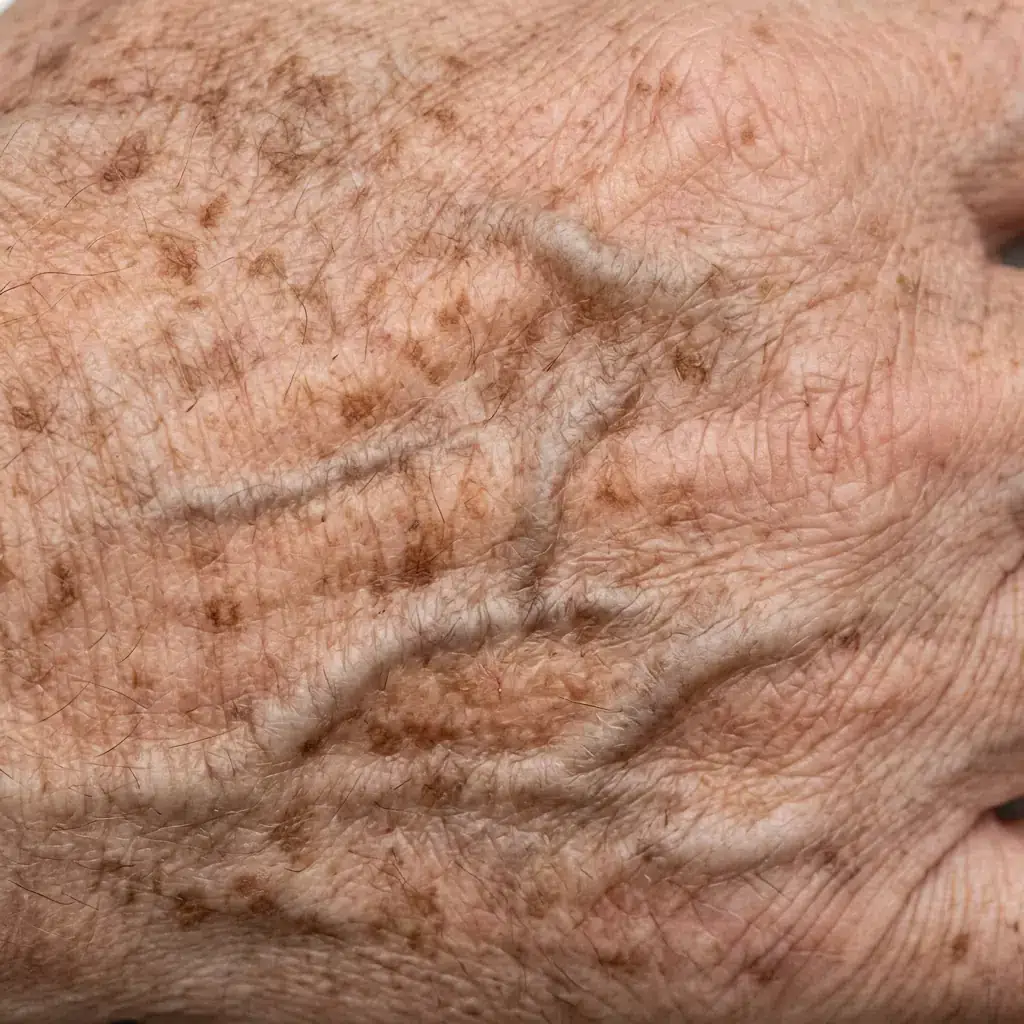
The human body possesses an incredible capacity to reflect internal health, lifestyle habits, and the natural aging process through external signs. From the tone and texture of our skin to the prominence of veins and pigmentation changes on our hands, our exterior serves as a living record of our biology. When viral health discussions or medical images circulate online regarding skin spots, hand appearance, and aging indicators, it sparks widespread curiosity about dermatological health.
Examining how skin changes over time, what causes common age-related markers, and how proper skin care and medical check-ups protect long-term wellness offers a valuable, science-based perspective on personal health.
The Science of Skin Aging: Pigmentation and Vascular Changes
To understand why hands show distinct changes as we age, it helps to explore the dermatological mechanisms behind skin texture and appearance.
+-----------------------------------------------------------------------------------+
|                        DERMATOLOGICAL AGING FACTORS                               |
+------------------------------------+----------------------------------------------+
| Skin Component                     | Natural Age-Related Change                   |
+------------------------------------+----------------------------------------------+
| Epidermal Collagen & Elastin       | Gradual breakdown leading to thinner skin    |
| Melanin Production                 | Clumping resulting in solar lentigines (spots)|
| Subcutaneous Fat Layer             | Thinning, making underlying veins prominent  |
| Dermal Blood Vessels               | Loss of elasticity causing vein distension   |
+------------------------------------+----------------------------------------------+
1. Solar Lentigines and Pigmentation
Often referred to colloquially as “age spots” or “liver spots,” flat brown patches frequently appear on sun-exposed areas like the back of the hands, face, and forearms. These spots are caused by years of cumulative ultraviolet (UV) light exposure, which stimulates melanin production and leads to localized pigment clustering.
2. Vascular Prominence and Skin Thinning
As individuals age, the skin loses vital collagen and elastic fibers, becoming thinner and more translucent. Combined with the natural reduction of subcutaneous fat padding beneath the skin’s surface, blood vessels and veins on the back of the hands appear much more prominent and defined.
Key Factors Influencing Skin Health and Longevity
Maintaining healthy skin requires understanding both environmental influences and intrinsic biological processes.
+-----------------------------------------------------------------------------------+
|                        FACTORS AFFECTING SKIN WELLNESS                            |
+-----------------------------------------------------------------------------------+
| • Cumulative UV Exposure: Primary driver of photoaging, wrinkles, and sun spots   |
| • Hydration and Nutrition: Essential for maintaining skin barrier function        |
| • Collagen Degradation: Natural decline in structural proteins over time          |
| • Genetic Predisposition: Inherited traits affecting skin thickness and tone      |
+------------------------------------+----------------------------------------------+
1. Protecting Skin from Ultraviolet Radiation
Sun damage is the single largest contributor to premature skin aging. Consistent use of broad-spectrum sunscreens, protective clothing, and limiting midday sun exposure helps preserve skin elasticity and prevents excessive pigmentation.
2. The Role of Medical Evaluation
While most age-related skin changes are entirely benign, monitoring new spots, asymmetrical moles, or sudden changes in skin texture is crucial for catching dermatological conditions early under professional medical supervision.
Practical Tips for Daily Skin Care and Hand Preservation
Protecting your skin and keeping your hands looking and feeling healthy involves simple, consistent daily habits.
- Apply Sunscreen Daily: Use a broad-spectrum SPF 30 or higher on your hands and face daily, even during cloudy weather.
- Keep Skin Well-Moisturized: Apply rich hand creams or ointments regularly to maintain the skin barrier and prevent dryness and cracking.
- Wear Protective Gloves: Use rubber or cotton-lined gloves when handling harsh household cleaning chemicals or doing heavy manual work.
- Stay Hydrated: Drink plenty of water throughout the day to support overall cellular hydration and skin elasticity.
- Consult a Dermatologist: Schedule annual skin checks with a qualified medical professional to evaluate any new or changing skin spots.
Surprising Facts About Skin and Aging Biology
- The Skin is the Largest Organ: Human skin covers an average surface area of about 20 square feet and acts as our primary protective barrier against environmental pathogens.
- UV Memory: Skin cells accumulate ultraviolet radiation damage over decades, meaning sun protection in youth directly impacts skin health in later years.
- Collagen Turnover: The human body naturally slows down collagen production starting in our mid-twenties, making preventative skin care increasingly valuable over time.
- Hand Vascularity: The back of the hands has very little natural fat padding compared to other parts of the body, which is why veins become much more visible with age.
Frequently Asked Questions (FAQ)
What causes brown spots on the back of the hands?
Brown spots, commonly called age spots or solar lentigines, are caused by cumulative exposure to ultraviolet (UV) light over many years, which stimulates localized melanin production.
Why do hand veins become more prominent as people age?
Hand veins appear more prominent because the skin thins due to a natural loss of collagen and elasticity, and the underlying layer of subcutaneous fat diminishes.
Are age spots on hands dangerous?
Most standard age spots are benign and harmless. However, any spot that changes shape, grows rapidly, bleeds, or exhibits irregular borders should be checked by a dermatologist.
How can I protect my hands from premature aging?
Applying broad-spectrum sunscreen daily, wearing protective gloves during chores, moisturizing regularly, and avoiding harsh chemical exposure help protect hand skin.
When should I see a doctor about skin changes on my hands?
You should consult a healthcare provider or dermatologist if you notice unusual skin growths, persistent sores, rapid pigmentation changes, or painful skin inflammation.
Conclusion
Our hands tell a unique story of our lives, reflecting our experiences, environment, and natural biological aging. By understanding the science behind skin changes, practicing consistent daily sun protection, and consulting medical professionals when needed, we can maintain healthy skin at every stage of life.
Stay informed, take care of your skin, and share this essential health awareness with your friends and family!
