
Introduction: The Viral Reach of Health Warning Graphics
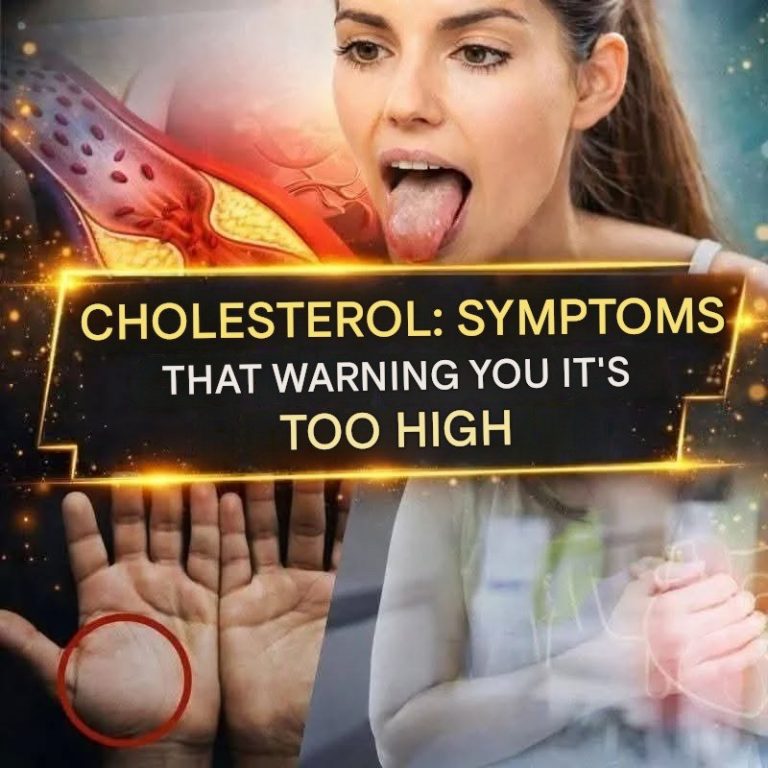
Social media feeds frequently feature dramatic, attention-grabbing medical graphics—such as bold warnings highlighting “Cholesterol: Symptoms That Warning You It’s Too High”. These compelling posts tap into our health consciousness, sparking high levels of curiosity, comments, and shares. While managing cholesterol is an important aspect of long-term wellness, separating sensationalized internet clickbait from verified clinical science is crucial. This comprehensive guide explores the reality of cholesterol levels, how the cardiovascular system functions, and how mindful habits support overall health, personal finance, and daily business productivity.
1. Understanding Cholesterol and Physiological Reality
Cholesterol is a waxy, fat-like substance that your body needs to function properly, building cells and producing hormones. However, high levels of low-density lipoprotein (LDL) cholesterol can lead to plaque buildup in the arteries. While graphic illustrations often suggest obvious external symptoms, actual high cholesterol is notoriously known as a “silent condition” because it typically presents no noticeable physical symptoms until a major cardiovascular event occurs. Diagnosing high cholesterol requires clinical blood testing rather than relying on ambiguous online images.
2. Why Fear-Based Health Posts Spread Rapidly Online
Posts featuring alarming medical warnings are exceptionally effective at driving social media engagement because health preservation is a universal human priority. When users see a graphic implying a hidden health risk, they often feel compelled to share it to protect loved ones. For digital content creators and web publishers, leveraging these high-emotion health topics is a proven mechanism for boosting audience interaction, increasing website traffic, and maximizing AdSense revenue.
3. Evidence-Based Approaches to Cardiovascular Health and Prevention
Protecting your long-term health requires proven medical strategies rather than viral internet tips. Key evidence-based practices for managing cholesterol include:
- Regular Blood Testing: Routine lipid panels ordered by a healthcare provider are the only accurate way to measure cholesterol levels.
- Balanced Nutrition: Consuming a diet rich in soluble fiber, whole grains, fruits, and healthy fats while reducing saturated and trans fats supports heart health.
- Regular Physical Activity: Engaging in consistent aerobic exercise helps raise high-density lipoprotein (HDL, or “good”) cholesterol.
- Professional Medical Care: Working closely with a physician ensures proper monitoring and, when necessary, targeted medical treatment.
4. Practical Strategies for Wellness and Resource Management
Maintaining your physical well-being directly impacts your ability to sustain high productivity in your daily business and personal projects. Falling for unverified online health scares can trigger unnecessary anxiety and misdirect your focus. By investing your time in trusted medical resources and proactive, everyday wellness habits, you protect both your physical health and your personal finance from costly, unnecessary stress.
Practical Tips for Managing Cholesterol and Staying Healthy
- Get Routine Screenings: Schedule regular check-ups with your doctor to check your cholesterol levels through a simple blood test.
- Eat Heart-Healthy Fats: Incorporate olive oil, avocados, nuts, and fatty fish into your daily meals.
- Increase Fiber Intake: Eat more oats, beans, lentils, and fresh vegetables to help manage cholesterol absorption.
- Exercise Consistently: Aim for at least 30 minutes of moderate physical activity most days of the week.
- Avoid Smoking: Quitting smoking improves your overall cardiovascular health and supports optimal HDL cholesterol function.
- Stay Skeptical of Viral Graphics: Treat dramatic, unverified social media medical posts with caution and verify facts with reputable health organizations.
- Limit Saturated Fats: Reduce your consumption of red meat, full-fat dairy, and processed fried foods.
- Consult Professionals: Always seek guidance from qualified healthcare providers for personalized medical advice rather than relying on internet memes.
Interesting Facts About Cholesterol and Digital Health Trends
- The Silent Condition: High cholesterol has no outward physical symptoms in its early stages, which is why routine medical screenings are vital.
- Viral Engagement: Health and medical warning posts consistently achieve massive share and comment volumes across global social media platforms.
- Good vs. Bad: Cholesterol travels through the blood attached to proteins; LDL is often termed “bad” cholesterol because it builds up in artery walls, while HDL is “good” because it helps clear it away.
- Digital Literacy: Navigating online health claims requires critical thinking to distinguish between helpful awareness campaigns and sensational clickbait.
- Economic Impact: Cardiovascular diseases related to high cholesterol account for billions of dollars in global healthcare costs annually.
- Preventable Risks: Medical studies indicate that lifestyle modifications, including diet and exercise, can significantly improve lipid profiles.
- Liver Function: The liver naturally produces all the cholesterol the body needs, while dietary sources contribute an additional portion.
- Global Awareness: Public health campaigns focusing on heart health have successfully educated communities on the importance of regular lipid testing.
Conclusion: Balancing Online Curiosity with Clinical Facts
While graphic social media posts catch our eye, true health safety relies on clinical evidence, professional medical guidance, and proactive lifestyle choices. Staying informed and consulting your doctor ensures you can protect your well-being and maintain a healthy heart.
Frequently Asked Questions (FAQ)
What are the physical symptoms of high cholesterol?
High cholesterol generally has no physical symptoms. It is a “silent” condition diagnosed primarily through routine blood tests called lipid panels.
Why do sensational health warnings go viral on social media?
They evoke strong emotional responses like fear and care for others, which naturally drives high rates of user comments, likes, and shares.
Can high cholesterol be managed through diet and exercise alone?
For many individuals, lifestyle changes like adopting a heart-hedsny diet and exercising regularly can help manage cholesterol, though some may require medication prescribed by a doctor.
How often should adults have their cholesterol checked?
Medical guidelines generally recommend that healthy adults have their cholesterol checked every 4 to 6 years, or more frequently for individuals with specific risk factors.
