
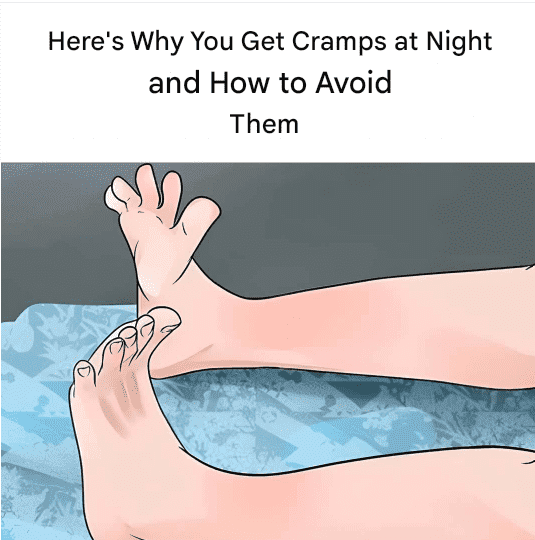
Introduction
Few disruptions are quite as jarring as waking up in the middle of the night with a tight, painful muscle spasm locked in your calf or foot. Nocturnal leg cramps are a remarkably common condition, particularly as people age, often striking without warning and lingering as a dull ache long after the spasm passes. Understanding what triggers these sudden contractions is the first step toward achieving restful, cramp-free sleep.
Exploring the physiological causes and preventative measures surrounding night cramps provides essential health awareness. Understanding how hydration, electrolyte balance, and muscle stretching intersect empowers individuals to take control of their comfort and well-being.
What Causes Nocturnal Leg Cramps?
Night cramps typically involve sudden, involuntary contractions of the skeletal muscles, most frequently targeting the calf muscles or the arches of the feet.
Why Muscle Spasms Occur at Night
- Muscle Fatigue and Overuse: Straining or overworking muscles during daily activities can leave them vulnerable to spasms when the body relaxes at rest.
- Nerve and Circulation Factors: Reduced blood flow or compressed nerve endings during prolonged resting positions can sometimes trigger involuntary firing in muscle fibers.
Key Factors Contributing to Night Cramps
While the exact medical cause isn’t always fully understood, several common triggers are widely recognized by healthcare professionals.
1. Dehydration and Electrolyte Imbalances
- Fluid Depletion: Inadequate water intake throughout the day reduces overall blood volume and fluid balance, leading to irritable muscle tissue.
- Mineral Deficiencies: Low levels of essential electrolytes—such as magnesium, potassium, and calcium—impair normal muscle contraction and relaxation cycles.
2. Prolonged Sitting or Poor Posture
- Constrained Positions: Sitting or standing for long hours without movement can contribute to muscle tightness and susceptibility to cramping once you lie down.
Practical Tips for Preventing and Relieving Night Cramps
Managing and stopping nocturnal cramps involves cultivating simple, consistent daily stretching and hydration habits.
- Hydrate Consistently: Drink plenty of water throughout the day to keep your tissues fully hydrated and functioning smoothly.
- Stretch Before Bed: Perform gentle calf and foot stretches right before going to sleep to lengthen tight muscle fibers and reduce spasm risk.
- Stay Active Moderately: Regular, low-impact exercise supports healthy circulation and prevents muscle stiffness.
- Manage Lifestyle Stress: Maintaining a balanced daily routine, getting restorative sleep, and practicing effective personal financial budgeting support overall well-being and stress reduction.
Interesting Facts About Muscle Physiology
- The Sarcoplasmic Reticulum: Muscle contraction relies on the precise release and reuptake of calcium ions within cellular structures; when electrolyte levels fluctuate, this delicate balance is disrupted.
- Calf Muscle Predominance: The gastrocnemius muscle in the calf is the most frequent site for nocturnal cramps due to its complex biomechanical role in walking and standing.
- Sudden Relief: Stretching the affected muscle in the opposite direction (such as pulling your toes upward toward your shin) helps mechanically force the contracted fibers to relax.
Conclusion
Night cramps can turn a peaceful night of rest into a painful interruption, but understanding their root causes makes prevention much easier. By staying well-hydrated, maintaining healthy electrolyte levels, and incorporating simple stretching routines into your bedtime schedule, you can protect your sleep and keep muscle spasms at bay. Prioritize your comfort and enjoy restful nights!
FAQ Section
What is the fastest way to stop a night cramp when it happens?
Gently stretch the affected muscle immediately—for a calf cramp, straighten your leg and pull your toes upward toward your shin (dorsiflexion).
Can dehydration cause nocturnal leg cramps?
Yes! Inadequate fluid intake is one of the most common triggers for muscle cramps, as dehydration affects normal cellular and electrolyte function.
Which minerals help prevent muscle cramps?
Maintaining adequate levels of magnesium, potassium, and calcium through a balanced diet or supplements helps regulate healthy muscle contraction.
When should you see a doctor about night cramps?
You should consult a healthcare professional if your cramps are frequent, intensely painful, accompanied by muscle weakness, or cause persistent swelling and redness.
