
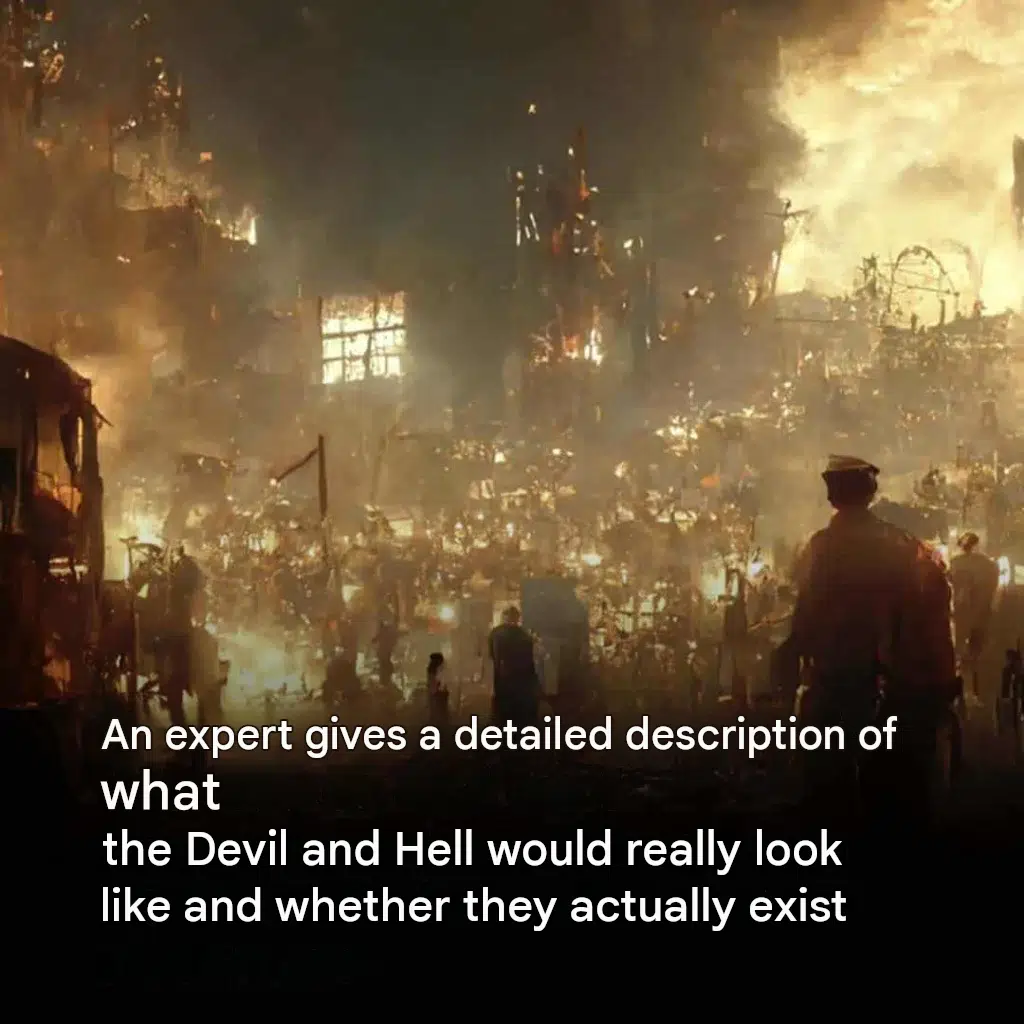
The concepts of the devil, eternal damnation, and the underworld have captivated human imagination, theology, and philosophy for millennia. Across diverse cultures and religious traditions, descriptions of a fiery domain ruled by a supreme embodiment of evil have shaped moral codes, literature, and art. But beyond ancient texts and cultural folklore, what do modern scholars, historians, and experts actually say about what the devil and hell would look like—and whether they truly exist?
Examining these profound questions requires a multi-faceted approach, blending historical textual analysis, psychological perspectives on human morality, and the ongoing quest to understand the mysteries of the universe. By exploring how these concepts evolved and examining expert interpretations, we can gain a deeper appreciation for why these enduring ideas continue to influence contemporary thought.
The Historical Evolution of Hell and the Adversary
To understand modern perceptions of the underworld, it is essential to trace how ancient civilizations conceptualized the afterlife. The imagery associated with hell has transformed dramatically over centuries, shifting from vague shadows to highly vivid, structured landscapes.
1. Ancient Underground Realms and Shadowlands
In many early Mesopotamian, Greek, and Hebrew traditions, the afterlife was not initially conceived as a place of active torture, but rather as a neutral or gloomy subterranean domain where all souls resided.
- Sheol and Hades: In early Hebrew thought, Sheol was a shadowy place of silence. Similarly, Greek mythology placed Hades beneath the earth as a realm for the dead.
- The Shift Toward Retribution: Over time, cultural exchange and theological developments introduced the idea of moral accountability after death, separating souls based on earthly actions.
- Literary Influence: Works such as Dante Alighieri’s Inferno cemented vivid, architectural visions of hell into the global cultural consciousness, depicting it with distinct circles and specific punishments.
2. The Personification of Evil
The figure of the devil underwent a similar evolution. Originally functioning in ancient texts as an adversary or tester within divine permission, the entity gradually transformed into the supreme ruler of a subterranean domain of fire and chaos.
- Symbolic Representation: Many theological scholars argue that the traditional imagery of horns, cloven hooves, and pitchforks borrows heavily from older pagan deities, symbolizing fertility and nature rather than literal physiological traits.
- The Embodiment of Human Vice: Experts often suggest that the devil serves as a psychological personification of human temptation, malevolence, and destructive choices.
Expert Perspectives: Do They Actually Exist?
When researchers, theologians, and philosophers evaluate the actual existence of the devil and hell, their conclusions generally fall into several distinct schools of thought.
Theological and Literal Interpretations
For many orthodox religious believers, hell and the devil possess a literal, objective reality. In these frameworks, hell is understood as a real spiritual or physical state of permanent separation from the divine source of goodness, characterized by profound suffering and regret.
Metaphorical and Psychological Frameworks
Conversely, psychological and secular experts often view these concepts through symbolic lenses:
- Internal States of Being: Writers like existential philosophers propose that “hell” can represent states of extreme psychological anguish, guilt, or self-destruction experienced during human life.
- Social Control and Morality: Anthropologists note that narratives of divine punishment historically served as powerful social mechanisms to maintain order, encourage empathy, and deter harmful behaviors within early communities.
Exploring Legal, Financial, and Philosophical Implications
While debates surrounding the afterlife are largely philosophical or spiritual, the societal impact of belief systems touches numerous structural aspects of human civilization, including education, legal ethics, and cultural investments.
The Influence of Belief on Legal and Ethical Frameworks
- Foundational Morality: Western legal codes and judicial principles historically developed alongside Judeo-Christian ethics, influencing concepts of justice, accountability, and retribution.
- Philosophical Jurisprudence: Legal scholars and attorneys frequently examine how societal notions of right and wrong are shaped by cultural conditioning and historical belief systems.
Economic and Educational Investments
- Historical Preservation: Enormous financial investments are directed globally toward preserving historical religious texts, ancient artifacts, and archaeological sites associated with the origins of these beliefs.
- Educational Curriculum: Academic institutions dedicate extensive research and funding to theological studies, history, and comparative religion, analyzing how human belief structures shape global societies.
Practical Insights for Exploring Philosophical and Spiritual Questions
Engaging with deep existential topics can be intellectually stimulating and personally enriching. Here are practical ways to approach these complex themes:
- Read Widely Across Traditions: Explore texts from multiple cultures and historical periods to understand how different societies conceptualize morality and the afterlife.
- Engage in Constructive Dialogue: Discuss philosophical and spiritual concepts with open-minded peers, historians, or mentors to broaden your perspective.
- Focus on Present-Day Actions: Regardless of differing beliefs about the afterlife, many philosophers emphasize that focusing on ethical behavior, kindness, and personal growth in the present holds intrinsic value.
- Evaluate Sources Objectively: When researching historical or scientific claims about religious mysteries, rely on peer-reviewed academic literature and expert commentary.
Fascinating Insights into Cultural Perceptions of the Underworld
- Universal Themes Across Cultures: Interestingly, a vast majority of independent global mythologies feature subterranean or fiery realms associated with chaos, demonstrating a deeply rooted human association between darkness and the unknown.
- The Impact of Art on Theology: Much of what modern populations picture regarding hell comes more from Renaissance art and poetry than strict scriptural descriptions.
- The Evolution of Empathy: Modern psychological studies suggest that as human societies evolved, concepts of divine punishment shifted from collective tribal retribution to individual moral accountability.
Navigating the Boundaries of Faith and Reason
The enduring fascination with the devil, hell, and the afterlife highlights humanity’s relentless quest for meaning, justice, and understanding beyond the physical world. Whether viewed as literal spiritual realities or profound psychological metaphors, these concepts continue to shape literature, ethics, and human introspection.
By examining these topics through historical, scientific, and philosophical lenses, we gain a clearer picture of how ancient questions continue to resonate in modern times.
Frequently Asked Questions (FAQ)
What do modern experts say about the physical existence of hell?
Scientific consensus maintains that there is no empirical evidence supporting the physical existence of an underground realm of eternal punishment. Experts in physics and geology view hell as a theological, literary, or psychological concept rather than a physical location.
Where did the traditional imagery of the devil come from?
The classic depiction of the devil—featuring horns, a tail, and cloven hooves—developed over centuries, heavily influenced by medieval folklore, literature, and syncretism with various ancient pagan deities.
Why do cultures across the world have similar underworld myths?
Anthropologists suggest that subterranean imagery stems from universal human experiences, such as burying the dead beneath the earth and associating darkness and caves with danger and the unknown.
Can belief in an afterlife impact mental health?
Belief systems surrounding the afterlife can have profound psychological effects. For many, faith provides comfort, community, and moral direction, while in other cases, excessive fear of eternal punishment can contribute to anxiety, requiring supportive psychological counseling.
