
Introduction
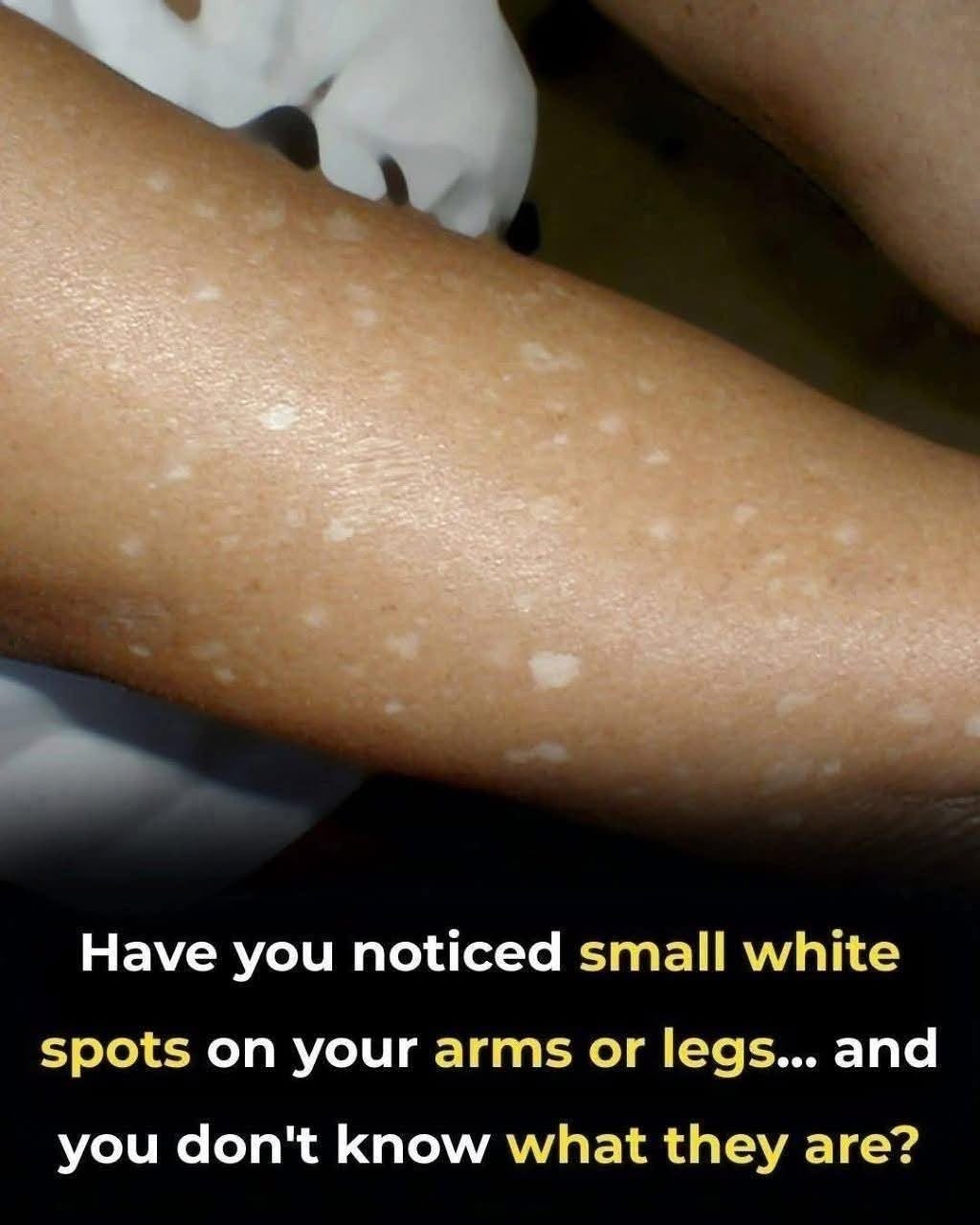
Finding unfamiliar changes on your skin can be an alarming experience, prompting immediate concern and curiosity. When you glance down at your limbs and notice a scattering of small, porcelain-white or hypopigmented macules, it is entirely natural to wonder about their origin. These common skin markings often appear on areas frequently exposed to the sun, such as the shins, forearms, and lower legs. While dermatological variations can stem from a wide array of causes, understanding the underlying physiological mechanisms is essential for maintaining peace of mind and proper skin health.
Navigating the complexities of healthcare, medical diagnostics, and wellness choices often requires careful financial and personal planning. Just as individuals invest in comprehensive health insurance, robust medical coverage, or specialized legal services and attorney consultations for major life events, proactive health management involves staying informed about everyday medical conditions. This comprehensive guide explores the primary causes, clinical characteristics, practical management strategies, and professional medical insights surrounding small white spots on the skin, helping you make educated decisions about your health and wellness journey.
Understanding Idiopathic Guttate Hypomelanosis (IGH)
The most frequent culprit behind small, well-demarcated white spots on the arms and legs is a benign condition known as idiopathic guttate hypomelanosis, commonly abbreviated as IGH. To fully grasp what IGH represents, it helps to break down the terminology. “Idiopathic” means the exact cause is not entirely known, “guttate” refers to drop-like lesions, and “hypomelanosis” indicates a decrease in melanin, the pigment responsible for skin color.
Clinical Presentation and Characteristics
IGH typically manifests as smooth, asymptomatic, round or oval white spots ranging from 1 to 10 millimeters in diameter. Unlike other pigmentation disorders, these spots are flat or very slightly depressed compared to the surrounding skin surface. They generally do not itch, burn, or scale, making them purely an aesthetic concern rather than a medical emergency. They commonly emerge on sun-exposed extremities, appearing more pronounced in individuals with darker skin tones or those with a long history of cumulative ultraviolet (UV) radiation exposure.
The Role of Aging and Cumulative Sun Exposure
Dermatological research suggests that IGH is closely linked to the natural skin aging process combined with cumulative, lifetime sun exposure. Over decades, the melanocytes—the pigment-producing cells located in the basal layer of the epidermis—gradually lose their functional capacity or localized density in specific areas. This localized depletion leads to patches of skin that can no longer produce normal levels of melanin, resulting in the characteristic white spots. Consequently, older adults experience a higher prevalence of IGH, though it can occasionally appear in younger individuals with high sun exposure profiles.
Differential Diagnosis: Distinguishing IGH from Other Skin Conditions
Because multiple skin conditions can present with hypopigmented or depigmented macules, accurate identification by a qualified medical professional or dermatologist is vital. Misdiagnosing a skin lesion can lead to ineffective treatments or delayed management of underlying health conditions. Below are several common conditions that doctors evaluate when differentiating small white spots:
- Pityriasis Versicolor: A common fungal condition caused by an overgrowth of yeast on the skin surface, typically presenting with slightly scaly, discolored patches that may change color with seasons.
- Vitiligo: An autoimmune condition characterized by complete loss of pigment, resulting in milky-white patches that tend to expand over time and affect broader areas, including the face and hands.
- Post-Inflammatory Hypopigmentation: A temporary lightening of the skin that occurs after an inflammatory injury, burn, rash, or dermatological procedure.
- Lichen Sclerosus: A chronic inflammatory skin condition that usually affects the genital and anal areas, but can occasionally appear on other parts of the body as white, thinned plaques.
Practical Tips for Skin Health and Protection
Maintaining optimal skin health requires a proactive approach that balances everyday lifestyle habits with professional medical guidance. Whether you are managing minor cosmetic concerns or investing in long-term wellness, implementing structured routines can yield significant benefits.
1. Prioritize Daily Sun Protection
Because cumulative ultraviolet exposure plays a major role in the development of hypopigmented spots like IGH, daily photoprotection is crucial. Apply a broad-spectrum sunscreen with a sun protection factor (SPF) of 30 or higher to all exposed areas of the arms and legs, even on cloudy days. Wearing protective clothing, seeking shade during peak ultraviolet hours, and avoiding artificial tanning beds can also help preserve balanced skin pigmentation.
2. Maintain Proper Skin Hydration and Barrier Function
Dry skin can often make textural irregularities and minor color variations appear much more prominent. Incorporate gentle, fragrance-free moisturizers or ceramides into your daily post-shower routine to support the epidermal barrier. Well-hydrated skin reflects light more evenly, minimizing the visual contrast of minor hypopigmentation.
3. Consult a Board-Certified Dermatologist
Self-diagnosis can often lead to unnecessary anxiety or improper treatment regimens. If you notice new, changing, or multiplying spots on your skin, schedule an evaluation with a licensed dermatologist. A professional examination—sometimes utilizing a specialized tool called a Wood’s lamp—can confirm the exact nature of the spots and rule out more complex dermatological or systemic health issues.
Interesting Facts About Skin Pigmentation
- Melanin Distribution: Melanin is not produced uniformly across every millimeter of the human body; density and type (eumelanin versus pheomelanin) vary significantly by anatomical location and genetic background.
- Cellular Turnover: The human epidermis undergoes a complete cycle of cellular regeneration roughly every 28 days, pushing new cells upward from the basal layer as older cells shed from the surface.
- Sun Memory: Skin cells accumulate micro-damage from ultraviolet radiation over decades, meaning pigmentary changes observed in later life often reflect sun exposure habits from adolescence and early adulthood.
Conclusion
Noticing small white spots on your arms or legs can be a surprising discovery, but in many cases, conditions like idiopathic guttate hypomelanosis represent benign, age-related changes rather than serious medical threats. By understanding the physiological factors behind skin pigmentation, practicing diligent sun protection, and seeking expert dermatological evaluations, you can effectively manage your skin health. Just as careful financial planning, smart investments, and secure retirement strategies safeguard your future, taking an informed and proactive approach to your physical well-being ensures confidence and long-term vitality.
Frequently Asked Questions (FAQ)
What causes small white spots on the arms and legs?
The most common cause is idiopathic guttate hypomelanosis (IGH), which is linked to skin aging and cumulative sun exposure. However, other conditions such as fungal infections, post-inflammatory changes, or vitiligo can also cause white spots.
Are IGH spots dangerous or cancerous?
No, idiopathic guttate hypomelanosis is entirely benign and non-cancerous. It does not transform into skin cancer or lead to severe medical complications.
Can white spots on the skin be reversed or cured?
Because IGH involves a localized reduction in melanin-producing cells, complete reversal can be challenging. Some treatments, such as topical retinoids, mild lasers, or targeted micro-needling performed by a dermatologist, may help improve the appearance of the skin, though prevention through sun safety remains the best strategy.
