
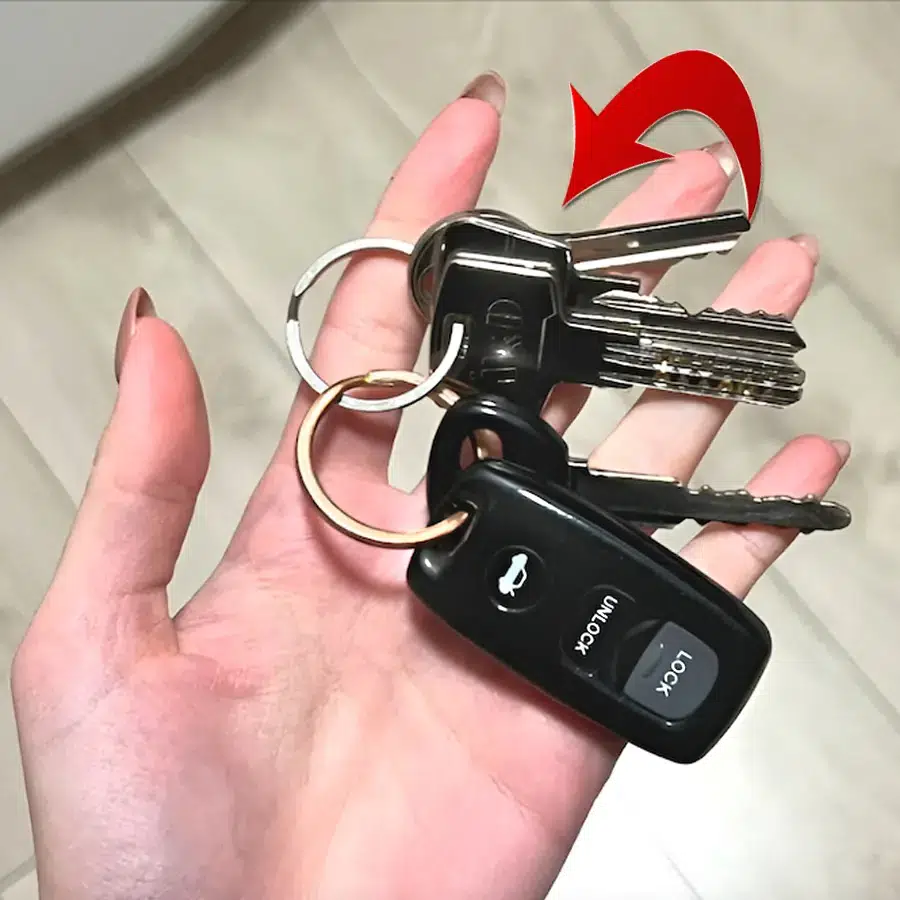
When we leave the house, grabbing our keys is second nature. For convenience, many drivers bundle everything together onto a single heavy keychain: house keys, office keys, mailbox keys, gym tags, and the car key fob all dangling in one heavy cluster. While it feels practical to keep all your keys in one place, combining too many keys can cause hidden damage to your vehicle.
Automotive experts and mechanics frequently warn motorists against overloading their car ignition with heavy key rings. What seems like a harmless organizational habit can lead to expensive mechanical repairs over time.
In this comprehensive guide, we will explore the mechanics of car ignitions, why heavy key rings cause damage, practical tips for protecting your vehicle, and ways to manage your everyday carry items safely.
The Mechanics of Your Car Ignition Switch
To understand why a heavy key ring causes problems, it helps to examine how an ignition switch operates. Inside the steering column, the ignition cylinder contains a series of delicate pins, springs, and tumblers that align precisely when you insert and turn the correct key.
When you hang a heavy cluster of extra keys and fobs off the ignition key while driving, gravity and momentum create constant downward pull and vibration.
Why Weight Causes Ignition Failure
As your car bounces over potholes, rough roads, and speed bumps, the excessive weight acts as a lever, putting continuous physical stress on the internal tumblers and electronic ignition switch components. Over time, this wears down the delicate pins inside the cylinder, causing the key to stick, slip, or fail to start the engine altogether.
10 Facts About Car Key Rings and Ignition Health
1. Premature Ignition Cylinder Wear
The constant gravitational pull of a heavy key ring wears down internal tumbler pins, requiring expensive ignition lock cylinder replacements.
2. Random Engine Stalls on the Road
A worn ignition switch destabilized by heavy keys can occasionally jar loose while driving, cutting off engine power and disabling steering assist unexpectedly.
3. Key Fob Transponder Damage
Excessive weight and constant swinging against the dashboard can crack plastic casings and damage delicate internal microchips inside smart keys.
4. Splitting Your Keys
The best practice is to separate your car key onto its own lightweight ring, keeping house and office keys on a completely separate keychain.
5. Using Quick-Release Carabiners
If you need to carry multiple keys together, use a detachable carabiner or quick-release ring so you can detach your car key before inserting it into the ignition.
6. Protecting Dashboard Plastics
A heavy, dangling key cluster constantly swings against the steering column and dashboard, leaving ugly scratches and scuff marks around the ignition slot.
7. Reviewing Vehicle Maintenance Tips
Being mindful of mechanical strain prevents unexpected roadside breakdowns and expensive garage repair bills.
8. Financial and Insurance Awareness
Avoiding preventable mechanical failures saves you from costly steering column repairs and towing fees.
9. Upgrading Everyday Carry Habits
Streamlining your key ring lightens your pockets and protects your car’s sensitive electronic and mechanical ignition components.
10. Long-Term Vehicle Reliability
Keeping your car key light and unburdened ensures smooth starting every single time you turn the ignition.
Comparison: Overloaded Key Rings vs. Minimalist Car Keys
To help evaluate how to manage your keys safely, review the following comparison table:
| Key Ring Setup | Mechanical Impact on Ignition | Dashboard & Housing Condition | Recommended Best Practice |
| Heavy, Overloaded Key Cluster | High stress, worn tumblers, and risk of random engine cuts. | Scratched steering column and cracked fob casings. | Avoid bundling house keys and extra items with your car key. |
| Lightweight, Dedicated Car Key | Zero extra gravitational strain; optimal tumbler alignment. | Pristine dashboard finish and protected key electronics. | Recommended standard practice for all drivers. |
       ┌────────────────────────────────────────────────────────┘
       │         Bundling House Keys & Fobs onto Car Key Ring   │
       └───────────────────────────┬────────────────────────────┘
                                   │
                                   ▼
       ┌────────────────────────────────────────────────────────┘
       │     Inserting Heavy Cluster into Steering Ignition     │
       └───────────────────────────┬────────────────────────────┘
                                   │
                    ┌──────────────┴──────────────┐
                    ▼                             ▼
       ┌────────────────────────┐    ┌────────────────────────┐
       │ Gravitational Pull &   │    │ Separate Car Key Onto  │
       │ Wear on Tumblers (Risk)│    │ Its Own Lightweight Ring│
       └────────────────────────┘    └────────────────────────┘
Practical Tips for Organizing Your Keys
Protecting your car’s ignition system requires a few simple adjustments to your daily routine:
- Separate Your Keys: Take your car key off your main keychain and keep it on a small, standalone ring or a separate lanyard.
- Use Detachable Rings: Invest in a quick-release keyring so you can easily snap your house keys off when getting into your car.
- Inspect Key Wear: Regularly check your car key blade for signs of bending or warping caused by excessive weight or rough handling.
Financial, Insurance, and Legal Considerations
Managing your vehicle’s physical components involves practical financial awareness:
- Avoiding Costly Repairs: Replacing a broken ignition switch or steering column lock cylinder can cost hundreds of dollars in parts and specialized locksmith labor.
- Preventing Lockouts: Keeping your keys organized reduces the risk of losing entire key bundles or damaging transponder chips.
- Maintaining Resale Value: Keeping your dashboard and steering column free of deep scratches preserves your vehicle’s interior condition.
Fascinating Facts About Automotive Security and Keys
- The Evolution of Car Keys: Early automobiles required heavy metal cranks to start engines; mechanical ignition keys were introduced later to improve security and convenience.
- Transponder Technology: Modern car keys contain tiny RFID chips that communicate with your vehicle’s computer immobilizer, requiring precise electronic signals to authorize engine startup.
- Push-Button Ignitions: Many modern vehicles feature push-button start systems and keyless fobs, completely eliminating traditional mechanical key slots and ignition wear.
Frequently Asked Questions (FAQ)
Is it really bad to have heavy keys attached to my car key?
Yes. The heavy gravitational pull and constant vibration of a large key ring act as a lever inside the ignition cylinder, wearing down the internal pins and tumblers over time.
Can a heavy key ring cause my car to stall while driving?
Yes. In extreme cases, a worn ignition switch combined with the heavy pendulum weight of extra keys can cause the ignition switch to slip into the “accessory” position while driving, cutting off engine power.
What is the best way to carry my car keys?
Keep your car key on its own lightweight ring or use a detachable quick-release clip so you can separate your house keys and heavy fobs before starting the engine.
Conclusion: Lighten Your Key Ring and Save Your Ignition
Bundling all your keys onto a single heavy ring might feel convenient, but it places unnecessary mechanical stress on your car’s ignition switch. By separating your car key onto a lightweight, dedicated ring, you protect your vehicle’s internal components, prevent costly repairs, and ensure smooth, trouble-free drives every time!
