
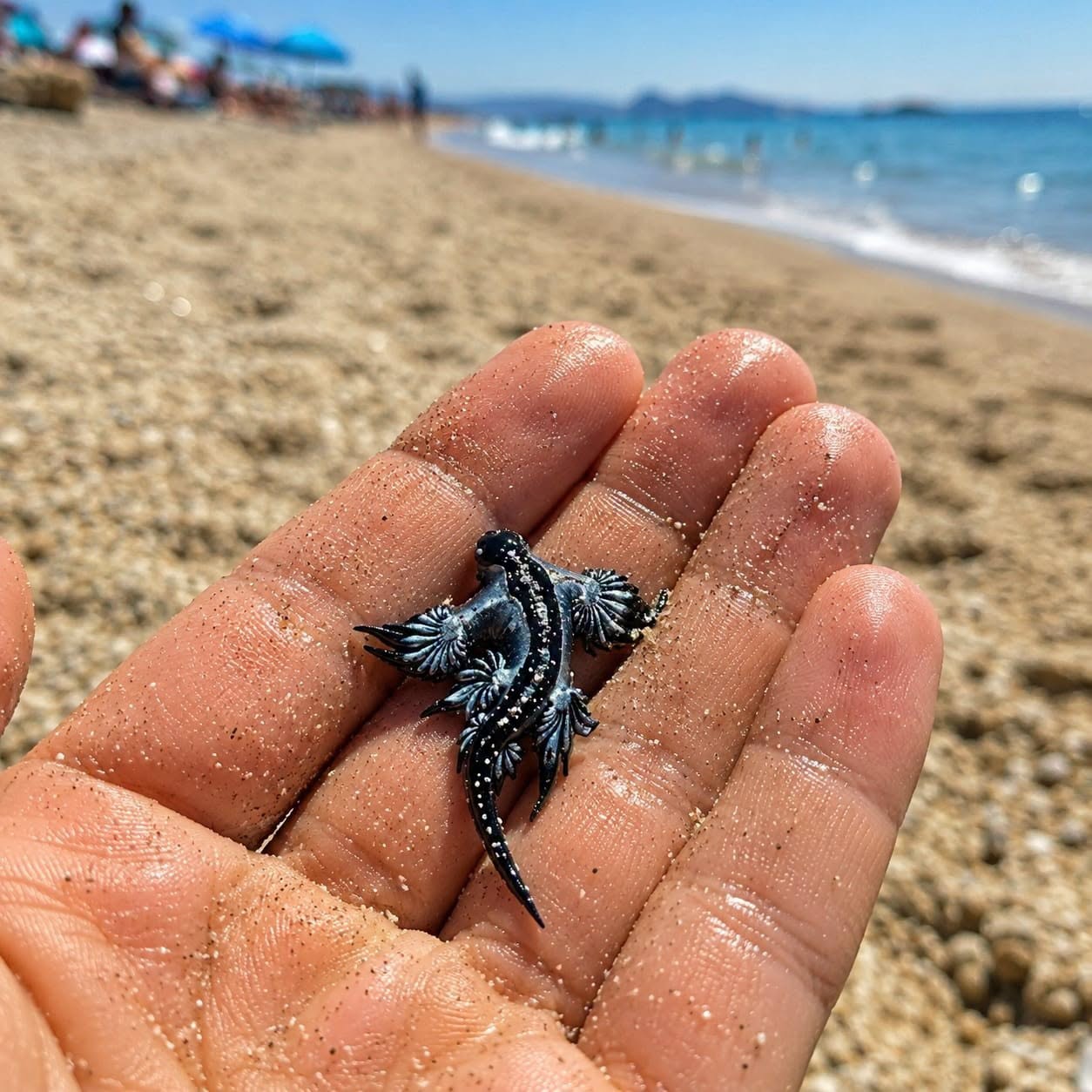
A trip to the beach offers a wonderful escape, combining the soothing sound of crashing waves, warm sun, and the chance to explore the shoreline. Whether you are enjoying a relaxing coastal vacation, walking along the sand during a seasonal getaway, or engaging in routine beachcombing, beachgoers frequently encounter fascinating and unfamiliar marine life washed ashore by the tides. When an unusual sea creature appears on the beach, it can spark immediate curiosity or prompt questions about coastal safety and marine ecology.
Understanding how to properly identify, assess, and interact with unusual marine findings is an essential skill for any coastal visitor. This comprehensive guide explores the common causes of marine strandings, the importance of coastal observation, how to evaluate wildlife risks, and practical steps to maintain a safe, secure, and respectful beachgoing experience.
The Importance of Coastal Awareness and Marine Safety
A well-informed beach visit protects local wildlife, safeguards your health, and ensures long-term enjoyment of coastal ecosystems. Routine observation—both by individual visitors and environmental groups—helps monitor marine health before animals or visitors face potential hazards.
Catching Ecological and Safety Issues Early
Many coastal surprises start with natural oceanic shifts. A strong offshore wind or changing tide can bring pelagic organisms close to the shore; warm seasonal currents can alter marine distribution; and unmonitored beach areas can host unfamiliar or potentially dangerous wildlife. By conducting regular visual checks of the shoreline, tidal pools, and wet sand, you can spot anomalies early.
- Visual Checks: Look for unusual colors, textures, or stranded organisms in high-tide zones or seaweed lines.
- Environmental Control: Maintain safe distances from unfamiliar marine wildlife to protect both yourself and the animals.
Common Causes of Strange Beach Discoveries
When beachgoers spot an unusual marine creature, it typically falls into one of a few common categories related to ocean currents, pelagic species, or seasonal migrations.
1. Pelagic and Drift Organisms
The open ocean is home to specialized drifting organisms that float on or near the water’s surface. Due to their lack of swimming propulsion, these creatures rely entirely on wind and ocean currents for transportation. When onshore winds blow steadily toward the coast, these pelagic species are frequently washed ashore on sandy beaches.
- Wildlife Caution: Never handle unfamiliar marine animals with bare hands, as many pelagic organisms possess specialized stinging cells or defensive toxins.
- Safe Observation: Admire marine life from a safe distance and report stranded or mass strandings to local marine conservation authorities.
2. Environmental and Tidal Factors
Sometimes, what looks like a strange object is actually a deep-water organism displaced by unusual underwater currents, temperature fluctuations, or severe storms. Natural turbulence can dislodge seafloor dwellers or surface drifters, depositing them unexpectedly along the tideline.
Financial and Legal Considerations for Coastal Visitors
Enjoying coastal environments also involves respecting local conservation laws and understanding public safety liabilities.
Regulations and Wildlife Protection
Local, state, and national environmental laws often protect marine wildlife. Disturbing, collecting, or harming certain marine species can violate environmental protection statutes. Keeping informed of local coastal guidelines is a smart practice that protects natural habitats and avoids potential fines or legal penalties.
Hiring Professional Services or Contacting Authorities
When faced with an unidentifiable marine animal, a stranded marine mammal, or a suspected hazardous organism, contacting a local marine life center, aquarium, or wildlife rescue organization is the wisest course of action. Professional expertise ensures that creatures are handled correctly without risking personal safety or violating conservation laws.
Practical Tips for Beach Safety and Respect
To keep your coastal excursions safe and responsible, incorporate these practical habits into your routine:
- Check Local Advisories: Review beach safety reports and seasonal warnings before heading out to the shore.
- Avoid Direct Contact: Never touch unfamiliar sea creatures, jellyfish, or unusual drifting animals with bare skin.
- Keep Contact Numbers Handy: Maintain a list of trusted local marine rescue organizations, lifeguards, or environmental authorities for rapid response when unexpected wildlife is found.
- Document and Report: Take photographs of unusual strandings from a safe distance so you can share clear visuals with marine experts or local conservationists.
Interesting Facts About Marine Ecosystems
- The Power of Wind and Tides: Surface-dwelling marine organisms depend entirely on wind patterns, which is why beach strandings often happen in clusters following strong onshore storms.
- The Role of Ocean Currents: Global ocean conveyor belts transport unique pelagic species across thousands of miles, occasionally bringing rare oceanic animals into shallow coastal waters.
- Historical Coastal Lore: Before modern marine science, coastal communities relied on traditional folklore and generational knowledge to interpret unusual strandings and changes in sea life.
Conclusion
Encountering an unfamiliar marine creature on the beach can be surprising, but it serves as a wonderful reminder of the vast and mysterious nature of our oceans. By staying vigilant, practicing respectful observation, and knowing when to contact marine authorities, you can protect local wildlife, maintain your personal safety, and ensure a wonderful, memorable beach experience for years to come.
FAQ Section
Q: What should I do if I find an unknown sea creature washed ashore? A: Avoid touching it directly with your skin. Observe it from a safe distance and contact a local lifeguard or marine wildlife organization if it appears to be in distress or potentially hazardous.
Q: Can changing ocean currents push deep-water creatures onto the beach? A: Yes. Strong onshore winds, severe storms, and shifting underwater currents can displace surface drifters and seafloor organisms, washing them onto sandy shores.
Q: How often should I check local beach advisories? A: It is recommended to check local beach reports and safety advisories before every coastal trip, especially during seasonal weather shifts or after major storms.
Q: Are marine animals protected by environmental laws? A: Yes. Many coastal and marine species are protected under local and national wildlife conservation laws, making it illegal to harm, harass, or improperly collect them.
Q: What is the best way to avoid stings or injuries from marine life? A: Never pick up unfamiliar animals, wear protective footwear when walking in tidal areas, and stay aware of your surroundings near the water’s edge.
Q: When should I call a marine rescue organization? A: You should contact a professional marine rescue or wildlife organization whenever you encounter stranded large marine life, mass strandings, or unfamiliar animals that pose potential safety risks.
