
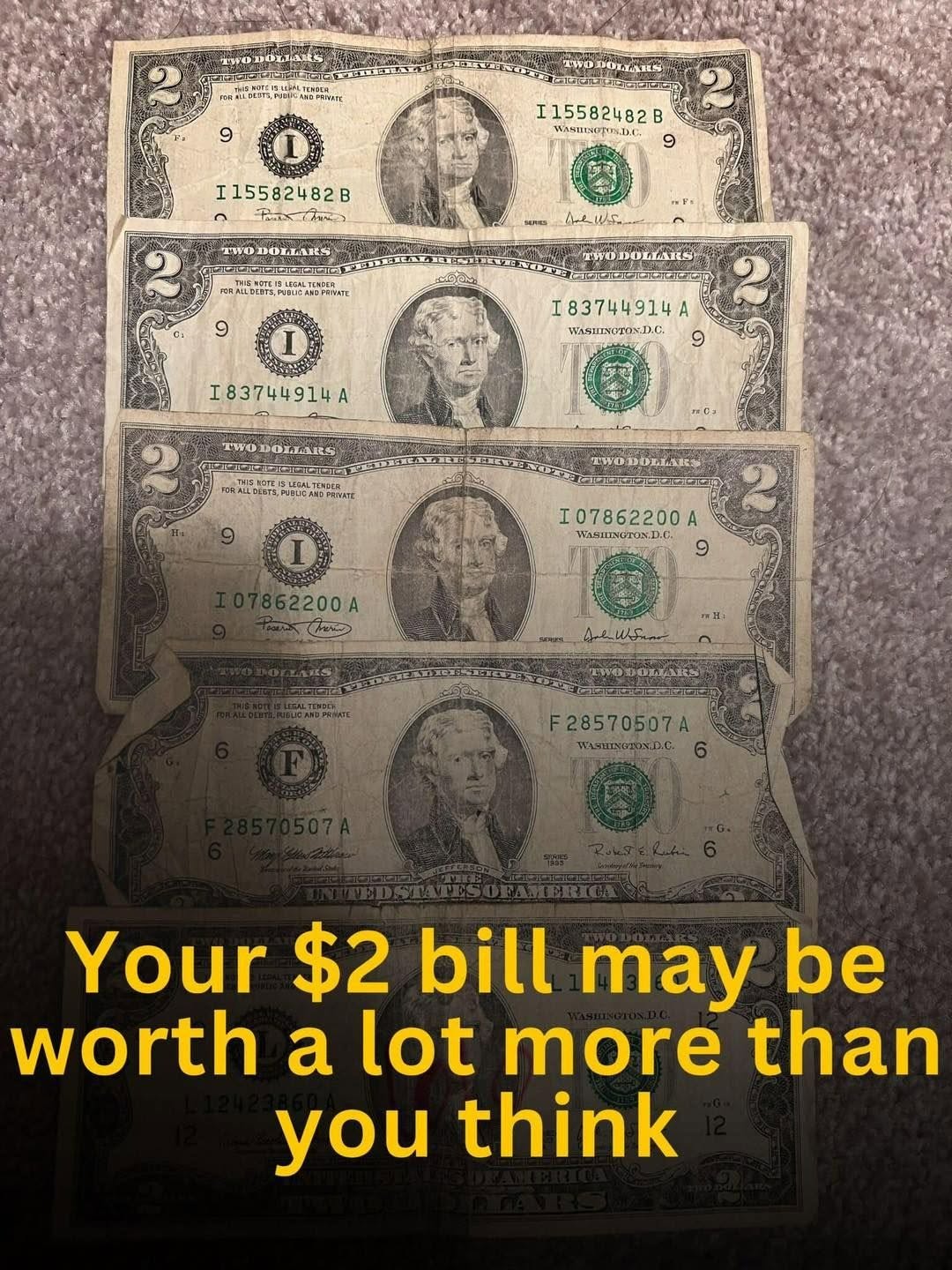
Throughout the history of United States currency, certain denominations and rare banknotes have captured the curiosity of collectors and everyday citizens alike. From the iconic two-dollar bill to vintage paper money featuring unique serial numbers or historical seals, old currency often sparks wonder about its potential numismatic value. Exploring the background of collectible banknotes offers a fascinating look at monetary history and antique valuation.
In this comprehensive guide, we will explore the history of the two-dollar bill, financial considerations for collectibles, practical tips for evaluating old currency, and fascinating insights into numismatics.
The History and Circulation of the Two-Dollar Bill
First introduced by the United States Treasury in 1862, the two-dollar bill has a long and unique history in American currency.
Key Aspects of Two-Dollar Bills
- Cultural Perceptions: Despite remaining legal tender, two-dollar bills have often been viewed as unusual or lucky, leading many people to save them rather than spend them.
- Series and Variations: Over the decades, $2 bills have been issued as United States Notes, Silver Certificates, and Federal Reserve Notes featuring various seals and signatures.
- Collector Interest: While most modern $2 bills are worth face value, certain vintage series, star notes, or rare serial number combinations can attract interest from currency collectors.
Understanding the distinctions between standard circulating currency and rare collectible notes helps clarify their actual market value.
Financial, Estate, and Collectibles Considerations
Managing a collection of vintage banknotes or inherited currency involves balancing sentimental curiosity with practical financial assessment.
Essential Collectible and Financial Factors
- Professional Appraisals: Consulting certified currency dealers or numismatic experts provides an accurate evaluation of rare or historical banknotes.
- Proper Storage and Preservation: Keeping paper currency in protective, acid-free sleeves away from moisture and direct sunlight prevents degradation and preserves condition.
- Estate Documentation: Cataloging family collections or inherited money ensures that valuable historical items are properly identified and protected.
Balancing an appreciation for antiques with sound preservation practices safeguards the integrity of any collection.
Practical Tips for Evaluating Old Currency
To determine whether a vintage banknote or $2 bill holds special value beyond its face amount, consider incorporating these practical tips:
- Check the Condition: Uncirculated banknotes in pristine, crisp condition are typically worth significantly more than heavily folded or worn bills.
- Look for Special Serial Numbers: Unique sequences—such as low numbers (e.g., under 1000), palindromes, or solid repeating digits—can increase collector interest.
- Examine Series Years and Seals: Check the printed series year and the color of the Treasury seal to identify older, scarcer print runs.
- Consult Price Guides: Reference established numismatic guidebooks or speak with professional coin and currency shops before selling.
- Store Safely: Handle delicate paper currency with clean hands or cotton gloves to avoid transferring oils that can damage the paper over time.
Interesting Facts About Paper Currency and Collectibles
- The Thomas Portrait: The obverse of the modern two-dollar bill features a portrait of Thomas Jefferson, while the reverse traditionally displays a rendering of John Trumbull’s painting Declaration of Independence.
- Star Notes: Banknotes featuring a small star symbol in the serial number are replacement notes printed to substitute for misprinted sheets during production, often coveted by collectors.
- The Thriving Numismatic Market: Currency collecting is a global hobby with enthusiasts dedicated to preserving rare historical artifacts, error notes, and vintage paper money.
- Legal Tender Status: All U.S. currency issued since 1861 remains legally valid at its face value, regardless of its age or design.
Conclusion
The humble two-dollar bill remains a fascinating piece of American monetary history, inspiring curiosity and collection across generations. By understanding what dictates the value of vintage currency, preserving banknotes with care, and consulting professional appraisers, collectors can enjoy the rich history of paper money. True appreciation for antiques comes from a blend of historical knowledge, careful preservation, and informed evaluation.
FAQ Section
Are all old two-dollar bills worth a lot of money?
No, the vast majority of circulating two-dollar bills are worth only their face value of $2, though rare series, star notes, or exceptional uncirculated conditions can sometimes command higher prices among collectors.
What makes a banknote valuable to collectors?
Value is typically determined by rarity, historical age, pristine uncirculated condition, unique serial number patterns (like low numbers or repeaters), and error printing mistakes.
What is a “star note” on paper currency?
A star note is a replacement banknote used by the Bureau of Engraving and Printing to replace a defective sheet discovered during the manufacturing process, designated by a star in the serial number.
Where can I get old currency appraised?
You can have vintage banknotes evaluated by reputable coin and currency dealers, professional grading services (like PMG or PCGS Currency), or certified numismatic appraisers.
