
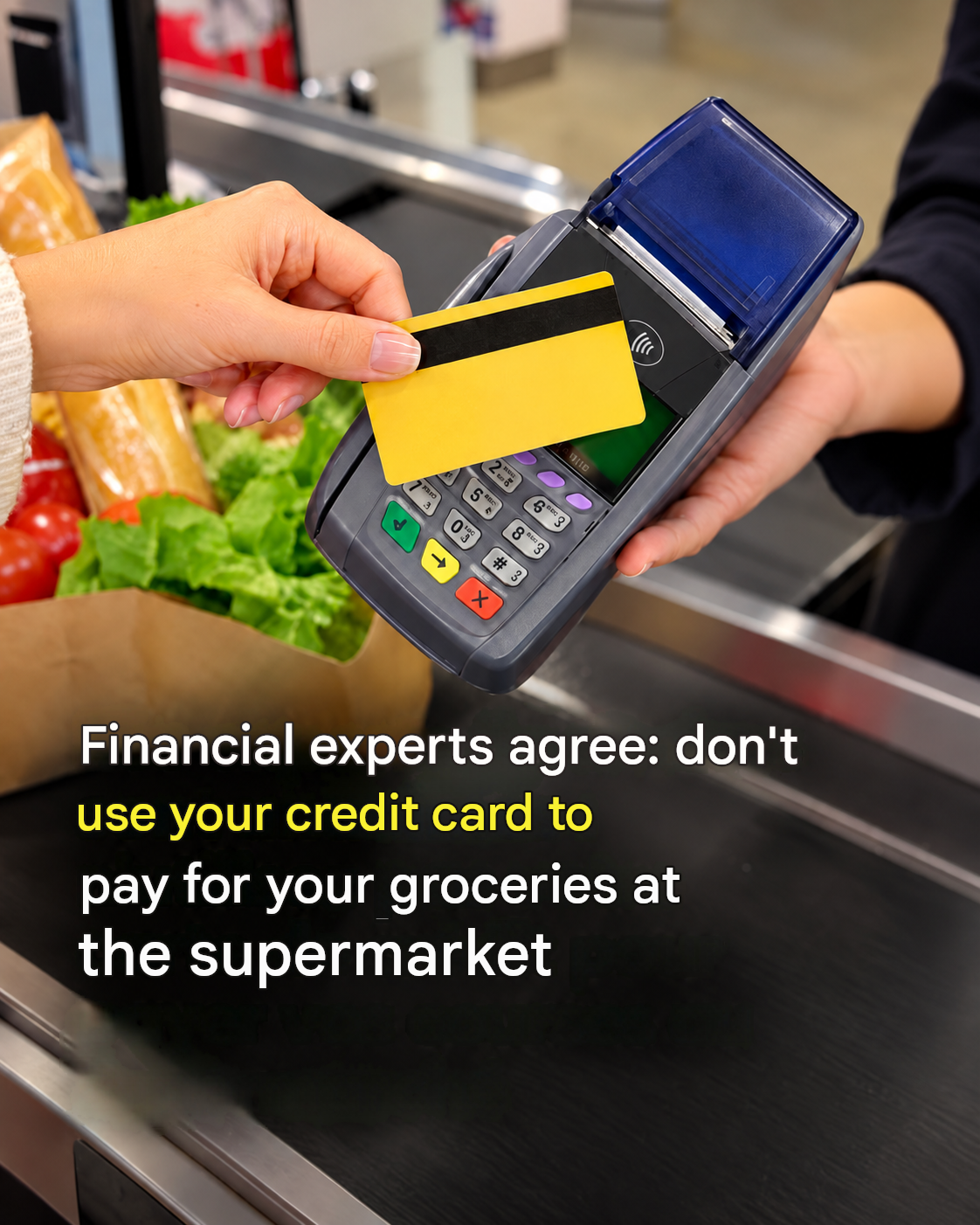
Grocery shopping is one of the most consistent and essential recurring expenses in any household budget. Every week, millions of consumers head to local supermarkets to stock up on fresh produce, pantry staples, household supplies, and meals for their families. When it comes time to check out at the register, shoppers use various payment methods—including cash, debit cards, mobile wallets, and credit cards.
While using credit cards offers perks like reward points, cash back, and purchase protection, many financial advisors and budget experts suggest exercising caution when charging everyday consumables like groceries. Balancing convenience, debt management, and financial discipline is key to maintaining long-term financial health.
In this comprehensive guide, we will explore why some financial experts advise against using credit cards for supermarket purchases, examine the pros and cons of various payment methods, discuss how budgeting intersects with personal finance, and provide practical tips for managing your grocery spending wisely.
Why Financial Experts Caution Against Using Credit Cards for Groceries
At first glance, putting everyday expenses like groceries on a credit card seems like a smart way to rack up rewards or build credit history. However, financial planners often point out several hidden pitfalls associated with this habit:
1. The Risk of Accumulating Revolving Debt
Groceries are consumable goods that disappear long before the monthly credit card bill arrives. When shoppers rely on credit cards for routine, recurring expenses without paying the balance in full every month, interest charges begin to accumulate rapidly. Because credit card interest rates (annual percentage rates, or APRs) are notoriously high, carrying a balance on grocery purchases can quickly turn routine food shopping into expensive, long-term debt.
2. The Psychological “Pain of Paying”
Behavioral finance studies consistently show that spending cash or using debit funds directly from a checking account creates a stronger psychological awareness of money leaving your possession. Credit cards create a psychological disconnect, making purchases feel abstract and encouraging higher spending on non-essential items while pushing a full grocery cart through the checkout line.
3. Budget Erosion Through Interest and Fees
If a household carries a revolving credit card balance, the high interest paid on grocery charges effectively increases the real cost of food. Paying 15% to 25% interest on items consumed weeks prior eats into household savings and personal investment goals.
+------------------------------------+---------------------------------------+
| Payment Method                     | Primary Financial Impact              |
+------------------------------------+---------------------------------------+
| Credit Cards (Unpaid Balance)      | High interest charges & revolving debt|
| Debit Cards / Cash                 | Direct budgeting & immediate deduction|
| Rewards Credit Cards (Paid in Full)| Cashback perks without interest fees  |
+------------------------------------+---------------------------------------+
The Other Side: When Credit Cards Can Be Useful
While revolving debt is risky, credit cards are not inherently harmful if managed with strict financial discipline. For consumers who pay their statement balance in full every single month, credit cards offer distinct benefits:
1. Cash Back and Rewards Programs
Many major credit cards offer elevated cash back percentages or reward points specifically for supermarket and grocery store purchases. If managed responsibly, these rewards can yield tangible savings over the course of a year.
2. Enhanced Purchase Protection and Fraud Security
Credit cards generally offer stronger consumer fraud protection and liability limitations compared to debit cards linked directly to primary checking accounts.
Broader Financial Planning, Banking, and Debt Management
Managing grocery expenses is just one piece of a larger personal finance strategy. Integrating disciplined spending habits with smart banking and insurance planning ensures robust financial security.
1. Building a Zero-Based Household Budget
Establishing a clear monthly budget that separates fixed expenses (housing, utilities, insurance) from flexible spending (groceries, entertainment) helps prevent reliance on credit cards for daily living costs.
2. Emergency Funds and Financial Reserves
Maintaining an emergency savings fund covering 3 to 6 months of living expenses protects households against unexpected financial shocks, eliminating the need to lean on high-interest credit cards when emergencies arise.
Practical Tips for Smarter Grocery Shopping and Budgeting
To keep your grocery spending under control and protect your personal finances, consider implementing these practical strategies:
Use Cash or Debit for Discretionary Food Budgets
Allocate a specific cash or debit allowance for groceries each week or month. Once those funds are spent, you avoid the temptation to overspend using revolving credit.
Plan Meals and Make a Shopping List
Impulse buying at the supermarket is a major driver of inflated grocery bills. Planning weekly meals in advance and sticking strictly to a structured shopping list prevents unnecessary purchases.
Take Advantage of Store Loyalty Programs
Sign up for supermarket loyalty apps, digital coupons, and membership discounts to reduce your checkout total without needing to accumulate credit card debt.
Fascinating Facts About Consumer Spending and Payment Habits
- The Cashless Shift: Global consumer data shows a massive ongoing shift away from physical cash toward digital wallets, contactless cards, and mobile payments at retail registers.
- The Shopping Cart Effect: Studies in behavioral retail psychology reveal that larger shopping carts encourage consumers to buy significantly more items than they originally intended.
- Reward Optimization: A subset of consumers known as “travel hackers” pay off their credit cards religiously every month solely to maximize supermarket and gas rewards for free travel.
Frequently Asked Questions (FAQ)
Is it always bad to use a credit card for groceries?
No, using a credit card for groceries is safe and beneficial as long as you pay off the entire balance in full every month to avoid high interest charges. The warning primarily applies to those who carry revolving debt.
Why do financial experts prefer debit cards or cash for food?
Debit cards and cash draw directly from available funds, preventing consumers from spending money they do not currently have and helping maintain strict adherence to a monthly budget.
Do grocery stores pay high fees for credit card transactions?
Yes, retailers pay interchange fees (swipe fees) to credit card companies and payment processors for every credit transaction, which is a factor in overall retail pricing structures.
How can I stop relying on credit cards for everyday expenses?
Building an emergency fund, creating a realistic monthly budget, and switching to debit or cash for consumable purchases like groceries are effective steps to break the cycle.
What should I do if I am already carrying high credit card debt?
Focus on aggressive debt repayment strategies (such as the debt avalanche or snowball method), cut non-essential expenses, and explore consolidation options to lower high interest rates.
Conclusion
The debate over whether to use credit cards for supermarket purchases highlights the delicate balance between convenience, rewards, and financial discipline. While credit cards offer useful perks and fraud protection for disciplined spenders, relying on them for recurring consumables like groceries carries the risk of accumulating high-interest debt.
By adopting structured budgeting habits, planning your shopping trips carefully, and utilizing debit or cash for everyday living expenses, you can keep your household finances secure, debt-free, and well-managed.
