
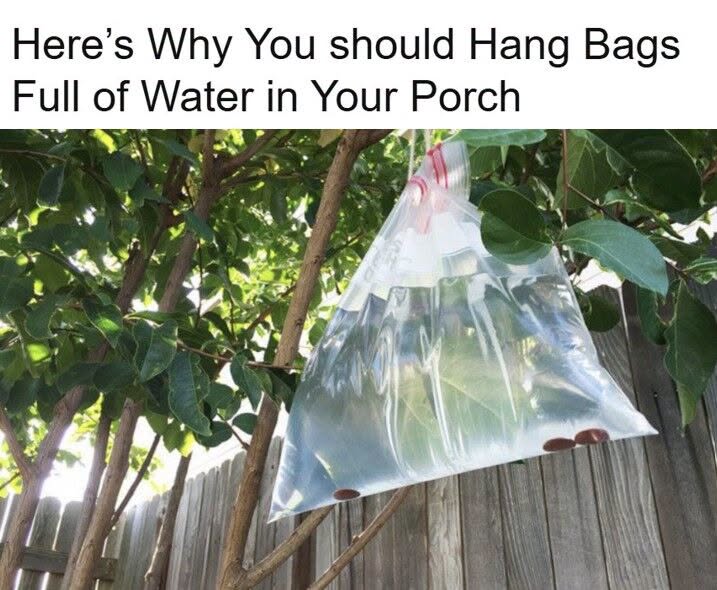
Summertime outdoor gatherings, patio dining, and porch lounging are often disrupted by buzzing houseflies and pests. Over the years, a popular visual folk remedy has circulated across social media and rural communities: hanging clear plastic ziplock bags filled with water and shiny copper pennies near doorways, patios, and porch overhangs.
Proponents claim this low-cost hack creates an invisible barrier that scares flies away without chemical sprays, sticky traps, or electric zappers.
In this comprehensive outdoor pest control guide, we analyze the theory behind hanging water bags with coins, review scientific testing, explore effective alternative fly deterrence methods, and evaluate practical home insect control strategies.
The Theory Behind Water Bags and Pennies for Fly Control
Advocates of the water bag hack base its effectiveness on two primary optical theories related to insect vision and light refraction.
+---------------------------+-------------------------------------------------------+
| Proposed Mechanism        | Claimed Effect on Flies                               |
+---------------------------+-------------------------------------------------------+
| Light Refraction          | Magnified water distorts ambient light and disorients |
| Compound Eye Disruption   | Reflective motion looks like a massive predator       |
| Shiny Copper Pennies      | Adds extra light reflection and metallic glare        |
+---------------------------+-------------------------------------------------------+
1. Light Refraction and Prism Effects
When sunlight hits a clear bag filled with water, the water acts as a sphere lens, refracting and bending light rays in multiple directions. Supporters believe this magnified, distorted light creates a blinding visual distraction that confuses incoming flies and prevents them from entering the area.
2. Compound Eye Visual Distortions
Flies possess complex compound eyes containing thousands of individual lenses (ommatidia). Proponents suggest that flies viewing a water bag see a highly distorted, magnified reflection of movement. To the insect, this disorienting movement allegedly resembles a huge predator, causing them to fly away in fear.
What Science Says: Myth or Reality?
Entomologists and agricultural researchers have put the water bag hack to the test in controlled studies.
Research conducted by university extension services and pest management experts found no statistically significant reduction in housefly populations around hanging water bags. In fact, some studies noted that flies occasionally landed directly on or near the water bags themselves!
While light refraction certainly occurs, housefly behavior is primarily driven by strong olfactory cues—such as food odors, sweet beverages, and organic waste—which far outweigh visual distractions caused by water bags.
Effective Alternatives for Outdoor Fly Control
If you want reliable, evidence-based methods to keep flies away from your porch and patio, consider these proven strategies:
+-----------------------------------+-----------------------------------+-----------------------------------+
| Pest Control Strategy             | Action Mechanism                  | Primary Application Area          |
+-----------------------------------+-----------------------------------+-----------------------------------+
| High-Velocity Outdoor Fans        | Creates physical air currents     | Patio seating & dining tables     |
| Natural Essential Oils            | Masks attractive food scents      | Porch perimeters & sprays          |
| Fly Traps & Sticky Papers         | Attracts and captures pests       | Outer garden borders & yards      |
| Physical Screen Enclosures        | Blocks physical entry             | Porches & screened-in decks       |
+-----------------------------------+-----------------------------------+-----------------------------------+
1. High-Velocity Air Movement (Porch Fans)
Flies are weak flyers and actively avoid turbulent air currents. Placing a small oscillating fan near patio tables or porch doorways creates a wind barrier that prevents flies from landing or lingering near food.
2. Scent Masking with Essential Oils
Flies rely on smell to locate food sources. Spraying or diffusing essential oils like peppermint, eucalyptus, lemongrass, lavender, or citronella around outdoor seating masks food odors and creates an unappealing environment for flying pests.
Financial Considerations: DIY Hacks vs. Professional Pest Control
Choosing effective pest deterrents involves balancing out-of-pocket costs with proven results.
- DIY Hacks Cost: Hanging ziplock bags with pennies costs less than $1 to assemble, making it an appealing, zero-risk experiment for curious homeowners.
- Effective Traps and Fans: Electric fans, UV light traps, and baited outdoor traps range from $15 to $50 and offer consistent, reliable protection for outdoor entertainment areas.
- Sanitation Savings: Proper waste management—keeping garbage cans sealed, cleaning up pet waste immediately, and clearing food crumbs—costs nothing and removes the primary attractions for flies in the first place.
Fascinating Facts About Flies and Insect Vision
- Thousands of Lenses: A common housefly has approximately 4,000 individual lenses in each compound eye, giving them a nearly 360-degree field of vision!
- Ultra-Fast Reaction Time: Flies process visual information over four times faster than humans, allowing them to dodge swatters with ease.
- Taste-Testing Feet: Flies have taste receptors located on their feet, allowing them to sample food instantly as soon as they land on a surface.
Practical Daily Tips to Keep Your Porch Fly-Free
- Cover Food and Drinks: Keep outdoor food platters and beverages covered with mesh food umbrellas or lids until serving.
- Clean Up Waste Promptly: Empty outdoor trash bins frequently and ensure lids fit tightly to contain odor.
- Plant Insect-Repelling Herbs: Grow potted basil, mint, rosemary, or marigolds around porch railings and doorways to naturally repel flying insects.
Conclusion
While hanging water bags with pennies on your porch is a popular and inexpensive DIY legend, scientific testing shows it offers limited effectiveness as a true fly repellent. Rather than relying on visual tricks alone, combining air fans, natural essential oil sprays, proper food coverage, and strict outdoor sanitation provides the best defense against unwanted buzzing pests.
Frequently Asked Questions (FAQ)
1. Why do people put pennies in the water bag?
Pennies are added to enhance reflectivity. Proponents believe the shiny copper adds extra glare and metallic color variations, though scientific studies show this does not measurably deter flies.
2. Does the water bag trick work inside a home or garage?
No. Indoors or in shaded garages without direct bright sunlight, light refraction is minimal, making the trick even less effective than outdoors.
3. What is the most effective natural way to repel flies outdoors?
Creating air movement with an outdoor fan is the single most effective natural method, as flies cannot comfortably navigate moving air streams.
4. Do bug zappers work well against houseflies?
UV bug zappers are highly effective against mosquitoes and moths, but houseflies are less attracted to UV light during daytime hours, making physical fans and bait traps more reliable for daytime fly control.
