
Introduction
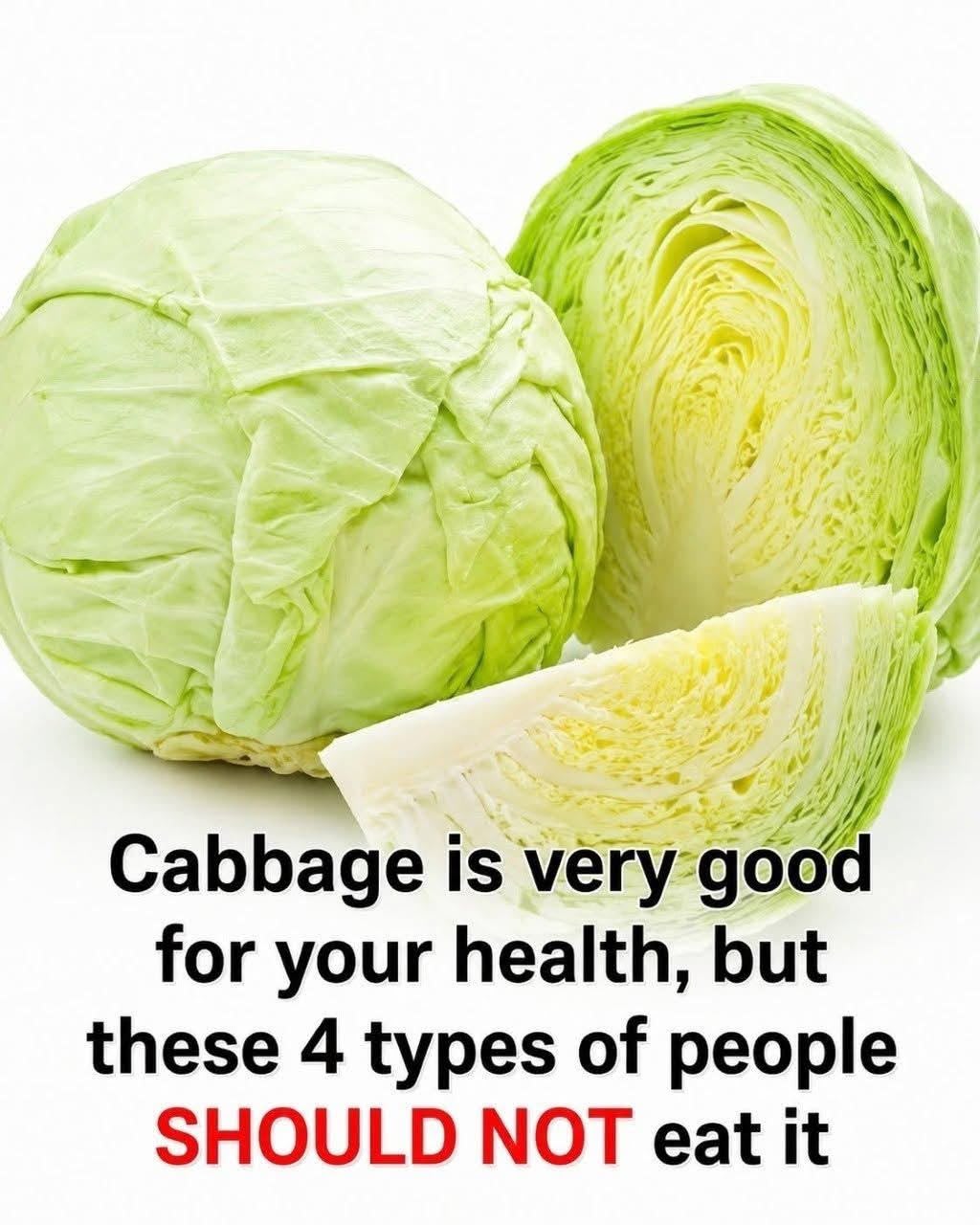
Sensational health warnings regarding everyday vegetables frequently circulate across social media, utilizing restrictive claims to grab attention. A popular graphic shared online features fresh cabbages with the caption: “Cabbage is very good for your health, but these 4 types of people SHOULD NOT eat it”. Exploring the actual medical and nutritional science behind cruciferous vegetables helps separate internet myths from dietary facts.
The Nutritional Reality of Cabbage
Do certain individuals need to completely eliminate healthy vegetables like cabbage from their diets?
Nutritionists and dietitians explain that while cruciferous vegetables contain compounds like raffinose (which can cause gas) and goitrogens (which can interact with thyroid function in high amounts), they are exceptionally nutritious for the vast majority of people. Complete elimination is rarely necessary unless recommended by a physician for specific medical conditions.
Breaking Down Cruciferous Vegetables and Health
Recognizing Dietary Guidelines
When managing nutrition and wellness, understanding how healthy foods affect individual health profiles is essential.
Key Cabbage and Nutrition Facts
- Nutritional Benefits: Cabbage is rich in vitamins C and K, fiber, and powerful antioxidants.
- Digestive Considerations: Raw cruciferous vegetables contain complex sugars that can cause bloating or gas in sensitive individuals.
- Professional Guidance: Always consult a registered dietitian or healthcare provider before making major restrictive changes to your diet.
Financial, Health, and Lifestyle Considerations
Navigating healthy eating and dietary choices requires evidence-based guidance, balance, and critical thinking.
Prioritizing Balanced Nutrition and Consumer Awareness
For adults of all ages, evaluating nutritional warnings critically protects against restrictive and misleading online advice. Consulting qualified health professionals ensures balanced and safe dietary management.
Practical Tips for Enjoying Cabbage Safely
- Cook to Ease Digestion: Cooking cabbage breaks down complex fibers, making it easier to digest for those prone to bloating.
- Portion Control: Enjoy cruciferous vegetables in moderate portions rather than cutting them out entirely.
- Consult a Professional: Speak with a healthcare provider if you have specific medical conditions like hypothyroidism or irritable bowel syndrome.
- Evaluate Online Claims: Approach sensationalized food warnings on social media with a healthy dose of skepticism.
- Maintain Variety: Incorporate a diverse range of colorful fruits and vegetables into your daily meals.
Interesting Facts About Cabbage
- Ancient Crop: Cabbage has been cultivated for thousands of years and was a dietary staple in ancient European and Asian civilizations.
- Viral Warning Tactics: Restrictive clickbait headlines about everyday foods are among the most common strategies used to drive online engagement.
- Cruciferous Family: Cabbage belongs to the Brassica genus, sharing a family tree with broccoli, kale, and Brussels sprouts.
Conclusion
While viral graphics often use alarming or restrictive language to capture attention, understanding the genuine nutritional science of cabbage empowers you to maintain a balanced, healthy diet. Always consult qualified healthcare professionals for personalized dietary advice.
FAQ Section
Should certain people completely avoid eating cabbage?
No, while individuals with specific digestive sensitivities or medical conditions may need to monitor their intake, complete avoidance is rarely necessary for the general population.
What are the main nutritional benefits of cabbage?
Cabbage is an excellent source of dietary fiber, vitamin C, vitamin K, and essential antioxidants that support overall health.
Why do sensational food warnings go viral?
Intriguing hooks and restrictive claims about everyday foods are designed to spark curiosity, drive comments, and increase social media shares.
