
Introduction
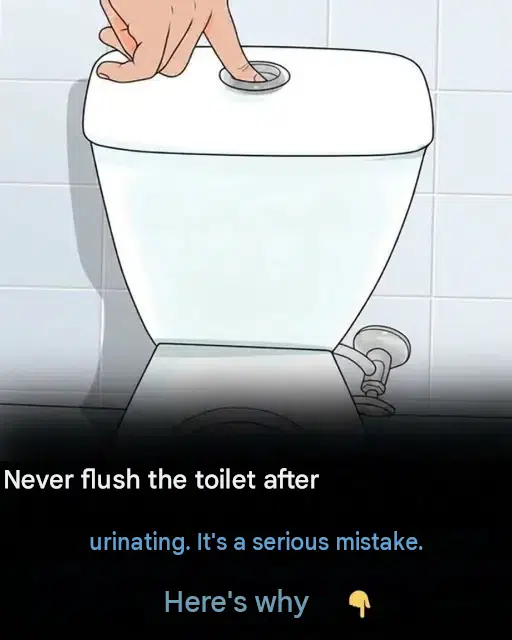
Unusual household tips and bathroom hygiene debates frequently capture attention across social media platforms, sparking curiosity and lively discussions among homeowners. When an image appears featuring a hand pressing a toilet tank flush button with the caption, “Never flush the toilet after urinating. It’s a serious mistake. Here’s why”, it immediately stops users from scrolling and encourages them to learn more about plumbing efficiency and water conservation.
In this comprehensive guide, we will explore bathroom water usage, plumbing maintenance, and the importance of maintaining proper home insurance, property protection, and professional home improvement planning.
Understanding Water Conservation and Plumbing Systems
Managing household water consumption and maintaining efficient plumbing fixtures involves balancing daily habits with structural upkeep.
- Water Conservation Strategies: Conserving water by reducing unnecessary flushes helps lower utility bills and preserves municipal water supplies.
- Professional Plumbing Services: Consulting qualified plumbers and home maintenance experts ensures your bathroom fixtures operate smoothly and efficiently.
Financial Planning and Home Protection
Protecting your residential property and managing household expenses involves structured financial and insurance planning:
- Homeowners Insurance Policies: Comprehensive property insurance safeguards your residence against unexpected plumbing leaks, water damage, and structural liabilities.
- Property Investment Management: Consulting financial advisors helps homeowners budget effectively for routine plumbing maintenance and home upgrades.
Practical Tips for Maintaining Your Bathroom
Whether you are optimizing water usage or upgrading bathroom fixtures, these simple tips enhance your home:
1. Inspect Plumbing Regularly
Routinely check toilets, pipes, and valves for leaks or running water to prevent costly utility waste and property damage.
2. Practice Water Efficiency
Adhere to local water-saving guidelines and consider installing dual-flush toilets to manage household consumption effectively.
3. Consult Professional Plumbers
Always seek advice from licensed plumbing professionals when addressing complex drainage issues or fixture replacements.
Interesting Facts About Bathroom Water Usage
- Daily Consumption: Flushing toilets accounts for a significant portion of indoor residential water use in modern households.
- Historical Innovation: The evolution of modern plumbing and low-flow toilets has dramatically improved urban water conservation worldwide.
- Eco-Friendly Living: Simple adjustments to daily bathroom routines can lead to substantial long-term savings on household water bills.
Conclusion
Curiosity about everyday household habits—like toilet flushing practices—makes exploring home maintenance both interesting and practical. By combining water-conscious routines with proper homeowners insurance and professional plumbing care, you can maintain a safe and efficient home. Share your thoughts on bathroom water conservation in the comments below!
Frequently Asked Questions (FAQ)
Why do some people suggest limiting toilet flushes for liquid waste?
Advocates for water conservation often suggest limiting flushes for liquid waste to reduce overall household water consumption and lower utility bills.
Can not flushing frequently cause plumbing issues?
In low-flow or older drainage systems, insufficient water flow can occasionally lead to residue buildup in pipes if not flushed adequately.
How does homeowners insurance cover water damage?
Standard homeowners policies typically cover sudden and accidental water damage from plumbing failures, though gradual wear and tear is usually excluded.
