
Introduction
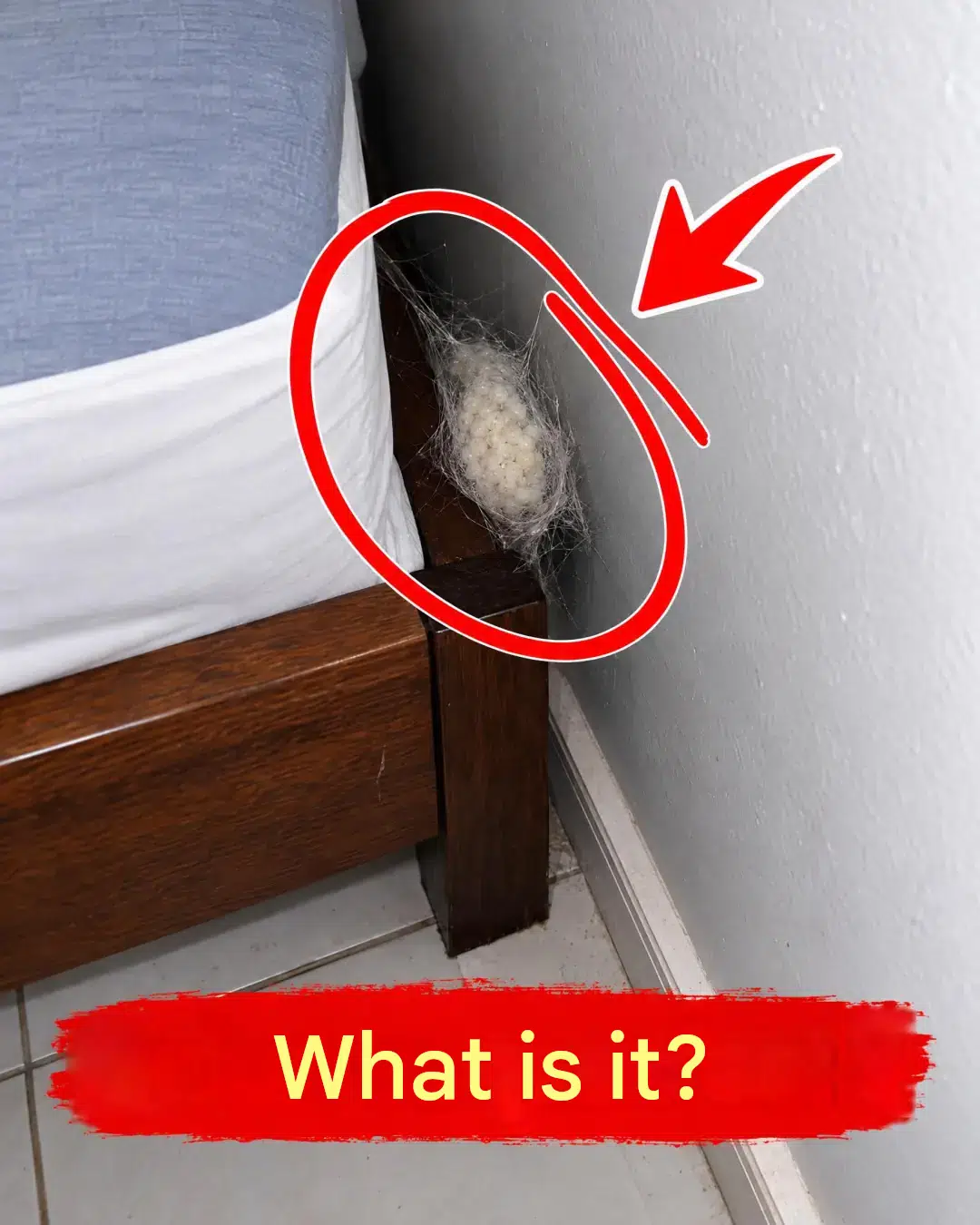
Homeownership and apartment living bring endless responsibilities, ranging from routine cleaning to unexpected household surprises. While we typically view our bedrooms as secure sanctuaries of comfort and rest, discovering strange webs, nests, or mystery clusters tucked away near bed frames can instantly turn comfort into alarm. Identifying unexpected indoor wildlife or insect activity requires a calm, methodical approach to ensure both personal safety and structural integrity.
Beyond dealing with creepy crawlies, maintaining residential properties involves navigating home insurance policies, property maintenance, and financial preparedness. Whether you are addressing an unexpected pest infestation, reviewing your homeowner’s insurance coverage, or managing repair budgets, understanding how to handle household anomalies is essential. This comprehensive guide explores indoor wildlife and insect management, property protection, the importance of homeowner insurance, and practical financial strategies for property owners.
Identifying Indoor Pests and Wildlife Intrusions
When strange webs, cocoons, or egg sacks appear inside a living space, proper identification is the critical first step before taking action.
Understanding Common Indoor Nesting Habits
- Web-Spinning Spiders and Sac Spiders: Many household spiders construct silk egg sacs in dark, undisturbed corners near furniture, baseboards, and bed frames.
- Professional Pest Removal: Attempting to handle venomous spiders or unknown insect nests independently can pose health risks, such as accidental bites or allergic reactions. Contacting certified pest control professionals ensures safe removal.
- Sealing Entry Points: Inspecting window seals, door gaps, baseboards, and foundation cracks prevents insects and small wildlife from entering the home.
Property Inspection and Deep Cleaning
An unexpected pest or wildlife intrusion often necessitates thorough cleaning and sanitization to restore a safe living environment.
- Targeted Sanitation: Utilizing professional cleaning products or specialized services ensures that any residual allergens, webs, or insect remnants are completely eliminated from bedroom furniture and textiles.
- Preventative Maintenance: Keeping sleeping areas clean, reducing clutter beneath beds, and maintaining proper home ventilation discourage pests from establishing nests.
Homeowners Insurance, Property Protection, and Financial Risk Management
Managing residential properties involves anticipating unforeseen maintenance challenges, including unexpected property damage caused by pests or environmental factors.
Navigating Home Insurance Policies
Choosing the right insurance policy is critical for safeguarding your real estate investment against unexpected incidents.
- Evaluating Coverage Limits: Reviewing your property insurance policy ensures you understand whether damage caused by severe pest infestations or structural intrusions is covered under standard provisions.
- Filing Property Claims: If wildlife or pests cause substantial destruction to flooring, drywall, or furniture, timely communication with insurance adjusters helps facilitate fair claims processing.
- Maintaining Emergency Reserves: Having a dedicated emergency repair fund allows homeowners to cover immediate pest control or contractor costs without relying on high-interest loans.
Legal Services and Property Regulations
Owning and maintaining residential real estate occasionally requires professional legal oversight, particularly when dealing with rental property disputes, landlord responsibilities, or structural pest damage.
Working with Real Estate and Legal Professionals
- Landlord and Tenant Responsibilities: In rental properties, lease agreements typically dictate whether landlords or tenants are legally responsible for pest control and extermination services.
- Contractor and Insurance Disputes: If insurance companies deny claims related to property damage or if extermination contractors fail to perform adequate work, legal services can assist in resolving disputes.
- Property Rights and Safety Compliance: Ensuring your home complies with local housing and health codes protects property value and prevents municipal penalties.
Practical Tips for Home Protection and Maintenance
Enhancing your home’s security and preventing unexpected pest intrusions requires a proactive, step-by-step approach:
- Inspect Undersides of Furniture Regularly: Periodically check dark spaces behind beds, dressers, and sofas for early signs of spider webs, insect nests, or moisture damage.
- Review Insurance Policies Annually: Regularly audit your homeowners insurance policy to verify coverage for unexpected property damage and liabilities.
- Hire Licensed Pest Control Experts: Never attempt to handle dangerous or unknown pests yourself; always rely on licensed, certified professionals.
- Maintain Clear Exterior Perimeter: Trim tree branches away from exterior walls, clear leaf debris, and seal foundation cracks to eliminate potential nesting zones.
- Establish an Emergency Home Fund: Set aside liquid savings specifically designated for unexpected home repairs, maintenance issues, or professional extermination services.
Interesting Facts Regarding Household Pests and Entomology
Examining entomological data provides a deeper appreciation for how insects and spiders interact with human environments:
- The Adaptability of House Spiders: Common household spiders are naturally adapted to indoor microclimates, where they feed on smaller nuisance insects like flies and mosquitoes.
- Silk Strength: Spider silk is an extraordinary biological material, known for being remarkably elastic and tensile-strong relative to its lightweight structure.
- The Growth of Pest Control Services: The residential pest management industry continues to expand as homeowners increasingly prioritize preventative home health and hygiene.
- Economic Impact of Property Pests: Unchecked pest activity accounts for millions of dollars in property degradation annually, highlighting the importance of rigorous home inspections and preventative cleaning.
Conclusion
Discovering an unsettling web or mystery cluster next to your bed can be an alarming experience. While indoor pests and wildlife encounters test a homeowner’s patience, handling them safely requires a calm, methodical approach involving professional pest control and thorough property sanitization. Furthermore, pairing property vigilance with comprehensive homeowners insurance, emergency financial reserves, and legal awareness ensures that your living space remains fully protected against life’s unexpected surprises. Preserving your home’s security creates a safe, resilient, and peaceful environment.
Frequently Asked Questions (FAQ)
What should I do if I find an unknown insect web or egg sac near my bed?
Avoid touching or disturbing the nest, inspect the area cautiously, and contact professional pest control services to identify and remove it safely.
Does homeowners insurance cover pest control and extermination?
Standard homeowners insurance typically does not cover routine pest control or damage caused by common household insects, as these are viewed as part of regular home maintenance. Reviewing your policy clarifies your specific protections.
How can I prevent spiders and pests from nesting in my bedroom?
Keep bedroom areas clean and uncluttered, vacuum dark spaces beneath furniture regularly, and seal any cracks in baseboards or window frames.
Why is ongoing home maintenance important for property value?
Regular inspections and timely cleaning prevent minor vulnerabilities—such as structural gaps or moisture accumulation—from escalating into costly property damage or pest infestations over time.
