
Introduction
Nothing beats a slice of crisp, refreshing watermelon on a warm summer day. However, picking a melon at the grocery store or farmers’ market can feel like a guessing game. Cut into the wrong one, and you end up with pale, bland, or dry fruit instead of a sweet, juicy treat.
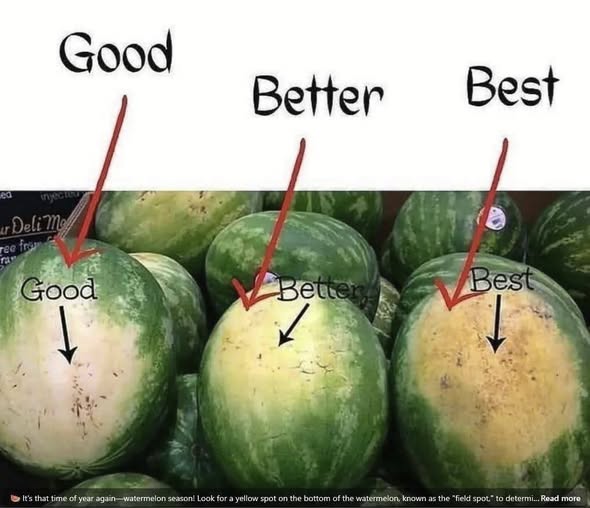
Fortunately, nature leaves clear visual clues on the melon’s rind to signal when it is fully ripe and bursting with natural sugars. The most reliable indicator of a ripe watermelon is its field spot (also known as the belly spot)—the ground patch where the melon rested while growing in the field.
In this ultimate produce guide, we will break down what field spot colors tell you about sugar content, share a step-by-step framework for picking perfect watermelons, explain the science of melon ripening, and answer frequently asked questions.
1. What Is a Field Spot and Why Does It Matter?
The field spot is the unexposed section on the underside of a watermelon that rests directly on the dirt while attached to the vine.
Field Spot Color Breakdown
+--------------------------+------------------------------------------------------+
| Field Spot Color         | Ripeness Level & Flavor Profile                      |
+--------------------------+------------------------------------------------------+
| White or Pale Green      | Underripe; picked too early with low sugar content.  |
| Light Cream / Yellow     | Moderately ripe; sweet and juicy (Good / Better).    |
| Deep Creamy Gold / Yellow| Fully vine-ripened; peak sweetness (Best).           |
+--------------------------+------------------------------------------------------+
As a watermelon matures on the vine, it continuously converts stored starches into natural sugars (fructose and sucrose). At the same time, the field spot transitions from a stark white color to a deep, creamy golden-yellow. A bright yellow or golden field spot indicates that the melon remained attached to the vine for maximum time, accumulating full flavor and sweetness before harvesting.
2. Comprehensive Checklist for Picking a Perfect Watermelon
Looking at the field spot is the primary indicator, but combining it with these additional checks ensures you take home a winner every time.
+--------------------------+------------------------------------------------------+
| Checkpoint               | What to Look / Listen For                            |
+--------------------------+------------------------------------------------------+
| Field Spot               | Deep golden-yellow or creamy orange-yellow.         |
| Weight                   | Heavy for its size (indicates high water content).  |
| Sound Test               | Deep, hollow "thump" when knocked with knuckles.     |
| Rind Finish              | Dull rind (shiny rinds usually mean underripe).      |
| Webbing / Sugar Veins    | Brown, net-like webbing lines (indicates bee visits). |
+--------------------------+------------------------------------------------------+
The 5 Essential Steps
- Find the Field Spot: Flip the melon over and look for a prominent, warm, creamy-yellow spot. Avoid melons with stark white spots or no spot at all.
- Feel the Weight: Pick up a few melons of similar size. Choose the one that feels surprisingly heavy for its size, which indicates high water density and juiciness.
- Listen for the Hollow Sound: Give the middle of the watermelon a firm tap with your knuckles. A ripe watermelon yields a deep, hollow resonance, whereas an underripe or overripe melon sounds flat or dull.
- Check the Sheen: Look for a dark, matte, or dull rind. A shiny exterior usually indicates that the melon was harvested prematurely before reaching full maturity.
- Inspect for “Sugar Webbing”: Look for brown, scarring-like webbing on the skin. Known as sugar webbing or bee scars, these marks show where bees pollinated the flower multiple times, which correlates with sweeter fruit.
3. The Science of Watermelon Ripening
Unlike fruits such as bananas, avocados, or tomatoes, watermelons are non-climacteric.
Why Vine-Ripening Is Critical
Non-climacteric fruits do not continue to ripen or develop higher sugar levels after being harvested from the vine. Once a watermelon is cut from its stem, its sugar concentration is permanently locked in. If a farmer picks a melon with a white field spot too early, it will never grow sweeter on your kitchen counter—making careful selection at the market essential.
Conclusion: Take the Guesswork Out of Buying Fruit
Picking a sweet, juicy watermelon does not require luck. By checking for a deep golden field spot, assessing its weight, testing its sound, and looking for a dull rind with sugar webbing, you can reliably select peak-quality fruit every time you shop.
Use these simple steps on your next grocery run and enjoy refreshing, delicious watermelon all season long!
Practical Selection & Storage Tips
- Store Whole Melons at Room Temp: Keep uncut watermelons at room temperature out of direct sunlight to maintain flavor and nutrient quality for up to two weeks.
- Chill Before Serving: Place whole or sliced watermelon in the refrigerator for a few hours before eating for maximum crispness and cooling refreshment.
- Wrap Cut Slices Tightly: Once cut, cover exposed watermelon surfaces with plastic wrap or store in airtight containers, and consume within 3 to 4 days.
- Don’t Waste the Seeds or Rind: Watermelon rinds can be pickled or stir-fried, and black watermelon seeds can be roasted with sea salt for a protein-rich snack!
FAQ Section
Q: Does a watermelon keep ripening on the counter after you buy it?
A: No. Watermelons stop accumulating sugars the moment they are harvested. Sitting on your counter will only soften the flesh over time, not make it sweeter.
Q: What does a white field spot mean?
A: A white or pale field spot means the watermelon was picked too early from the vine and will likely taste bland or watery rather than sweet.
Q: Why are some watermelons round and others elongated?
A: Shape often indicates growing conditions or variety. Rounder melons (sometimes called “female” melons in folklore) tend to be consistently sweet, while elongated melons (“male”) can be slightly more watery, though field spot color remains the primary test for sweetness regardless of shape.
