
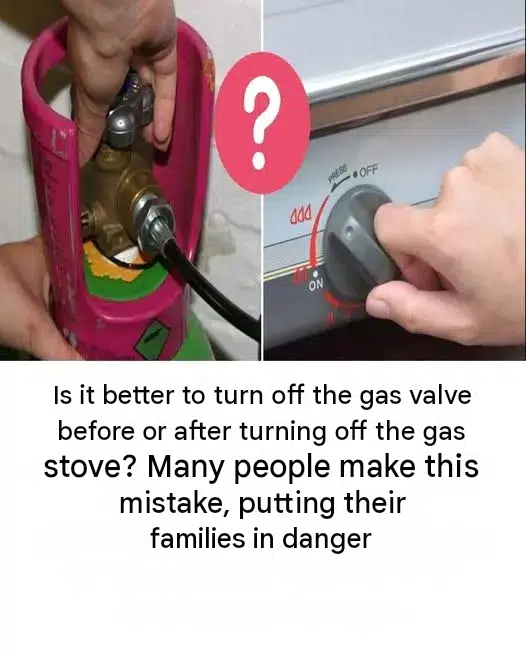
Kitchen safety is one of the most critical aspects of managing a home, yet millions of people perform daily cooking routines without realizing they might be exposing their families to potential fire hazards or dangerous gas leaks. Gas stoves and liquefied petroleum gas (LPG) cylinders are incredible conveniences that provide fast, controllable heat for everyday meal preparation. However, handling combustible fuel sources requires strict adherence to proper safety procedures.
One of the most debated safety questions among homeowners and culinary enthusiasts is straightforward: Should you turn off the gas tank valve first, or should you turn off the stove knob first? While it might seem like a minor detail, doing these steps in the incorrect order can leave residual gas pressurized inside connecting hoses or risk flame backfire under specific conditions.
In this detailed safety guide, we will examine the correct sequence for shutting down a gas stove, discuss vital home safety standards, analyze potential kitchen risk factors, and look at how comprehensive insurance and smart home protections safeguard your family’s physical and financial well-being.
The Correct Shutdown Sequence Explained
To understand the proper shutdown procedure, it helps to look at how gas flows from the storage tank or main supply line to your stove burner. When you open the valve on a gas cylinder, pressurized LPG travels through a reinforced rubber hose, through a pressure regulator, and into the stove’s control valve before reaching the burner head.
+---------------------------------------------------------------------------------+
|                       GAS FLOW & SHUTDOWN DIRECTION                             |
|                                                                                 |
|   [LPG Cylinder Valve]  --->  [Regulator & Hose]  --->  [Stove Control Knob]    |
|             ^                                                                   |
|             |                                                                   |
|   Step 1: Shut Off First (Depletes trapped fuel)                               |
|                                                     Step 2: Turn Off Second     |
+---------------------------------------------------------------------------------+
Why Closing the Cylinder Valve First is the Gold Standard
Safety experts and fire protection authorities strongly advise turning off the gas valve at the cylinder or wall main FIRST while the burner flame is still actively burning.
Here is what happens when you turn off the tank valve first:
- Fuel Supply Interruption: Closing the main valve stops gas from leaving the tank.
- Hose Depressurization: The stove burner continues to consume the remaining gas stored inside the connecting hose.
- Natural Extinction: As the residual gas inside the line burns off completely, the flame on the stove burner dies out on its own.
- Closing the Stove Knob: Once the flame goes out, you turn the stove control knob to the “OFF” position.
This procedure ensures that zero residual pressurized gas remains trapped inside the connecting rubber hose overnight or while the stove is unattended. Depressurizing the hose prevents gas build-up, reduces strain on rubber seals, and minimizes the risk of leaks caused by micro-tears or loose hose clamps.
What Happens If You Turn Off the Stove First?
If you turn off the stove control knob first, gas remains trapped under pressure between the regulator valve and the stove switches. If there is a microscopic leak in the connecting hose or an improper fitting, gas can slowly seep into your kitchen cabinet or room environment. Furthermore, leaving gas lines under constant high pressure accelerates the wear and degradation of rubber hoses over time.
Essential Kitchen Fire Safety and Maintenance Rules
Operating a safe kitchen goes beyond shutting off the gas in the correct order. Regular maintenance of cooking equipment drastically lowers the probability of household accidents and structural fire damage.
1. Inspecting the Rubber Hose and Regulator Regularly
Gas hoses are made of specialized rubber or flexible synthetic compounds that degrade over time due to heat, humidity, and exposure to airborne grease. Inspect your gas hose monthly for signs of cracks, stiffness, or bulging. Rubber gas hoses should be replaced every 2 to 3 years, regardless of their visual condition.
2. Performing the Soap Water Leak Test
Never use a match or lighter to check for gas leaks. Instead, create a thick mixture of liquid dish soap and water, then sponge it over the gas valve, regulator connection, and hose ends. If you see expanding bubbles, you have an active gas leak that requires immediate tightening or part replacement.
3. Maintaining Ventilation and Carbon Monoxide Awareness
Combustion requires adequate oxygen. Cooking in an enclosed kitchen without proper ventilation can lead to carbon monoxide build-up or inadequate oxygen levels. Always keep kitchen windows cracked open or operate a ducted range hood while using gas appliances.
Managing Home Insurance, Legal Protections, and Household Risk
A devastating kitchen fire can happen in seconds. While preventative maintenance protects your family’s physical health, comprehensive property protection safeguards your financial investment.
+---------------------------+-----------------------------------+-----------------------------------+
| Risk Category             | Primary Threat                    | Recommended Protection Measure    |
+---------------------------+-----------------------------------+-----------------------------------+
| Gas Pressure Leaks        | Fire, Explosion, Gas Inhalation   | Depressurize line; regular tests |
+---------------------------+-----------------------------------+-----------------------------------+
| Equipment Degradation     | Cracking rubber hoses, bad valves | Replace hose every 2-3 years      |
+---------------------------+-----------------------------------+-----------------------------------+
| Unforeseen Property Loss  | Financial loss from home fires    | Comprehensive Home Insurance      |
+---------------------------+-----------------------------------+-----------------------------------+
The Role of Home and Property Insurance
Accidental fires originating in the kitchen represent one of the leading categories of home insurance claims nationwide. Having a robust home insurance policy ensures that structural damage, personal property loss, and emergency living expenses are covered should an accident occur. Keeping proof of regular maintenance and adhering to standard safety practices can also streamline legal and claim settlement processes with insurance adjusters.
Financial Planning for Home Maintenance
Setting aside dedicated funds for routine household upgrades—such as replacing aging kitchen appliances, updating gas plumbing, or installing smart smoke and gas detectors—is an essential part of sound personal finance and risk management. Investing early in safety features prevents high out-of-pocket expenses later.
Fascinating Facts About Gas Stoves and Safety
- The Scent of Natural Gas is Added: Liquefied Petroleum Gas (LPG) and natural gas are naturally completely odorless. Manufacturers artificially inject a harmless chemical called Mercaptan (which smells like rotten eggs) so that human noses can detect even tiny leaks immediately.
- Blue Flame vs. Yellow Flame: A properly calibrated gas burner produces a crisp blue flame, indicating complete combustion. A yellow or orange flame indicates incomplete combustion, which produces higher levels of carbon monoxide and wastes fuel.
- Automatic Shut-Off Valves: Modern gas stoves often come equipped with a Flame Failure Device (FFD). If a pot boils over and extinguishes the flame, the FFD automatically cuts off the gas supply to prevent unburned gas from filling the room.
- LPG is Heavier Than Air: Unlike natural gas (methane), which rises because it is lighter than air, propane and butane (found in LPG tanks) are heavier than air. If an LPG leak occurs, gas accumulates along the floor and inside lower cabinets.
Conclusion
Knowing whether to turn off the gas valve before or after the stove is a fundamental safety detail that every home cook should master. By shutting off the tank valve first and letting the residual gas burn out of the hose, you eliminate line pressure, prevent potential leaks, and prolong the life of your equipment.
Combining proper kitchen procedures with routine hose inspections, clear ventilation, and adequate home insurance coverage creates a secure environment where you can cook with complete confidence and peace of mind.
Frequently Asked Questions (FAQ)
1. Is it safe to leave the gas cylinder valve open if I use the stove every day?
It is strongly recommended to close the main cylinder valve whenever the stove is not in active use, especially overnight or when leaving the house. Leaving the valve open keeps constant pressure on the connecting hose and regulator fittings.
2. What should I do if I smell gas in my kitchen?
If you detect a strong gas odor, do not turn on any light switches, electrical appliances, or open flames, as electrical sparks can ignite gas. Immediately extinguish any burning candles or cigarettes, open all doors and windows for ventilation, turn off the cylinder valve if safe to do so, and step outside to call emergency services or your gas provider.
3. How long should a gas stove hose last?
Standard rubber gas hoses should generally be replaced every 2 to 3 years. Reinforced stainless steel braided gas hoses can last longer, but should still be inspected regularly for signs of corrosion or fitting damage.
4. Why does my gas stove burner make a popping sound when I turn it off?
A popping sound usually occurs when residual gas burns off rapidly inside the burner head right as the gas flow drops. Depressurizing the line by turning off the cylinder valve first reduces sudden pressure shifts and helps eliminate loud shut-off pops.
